


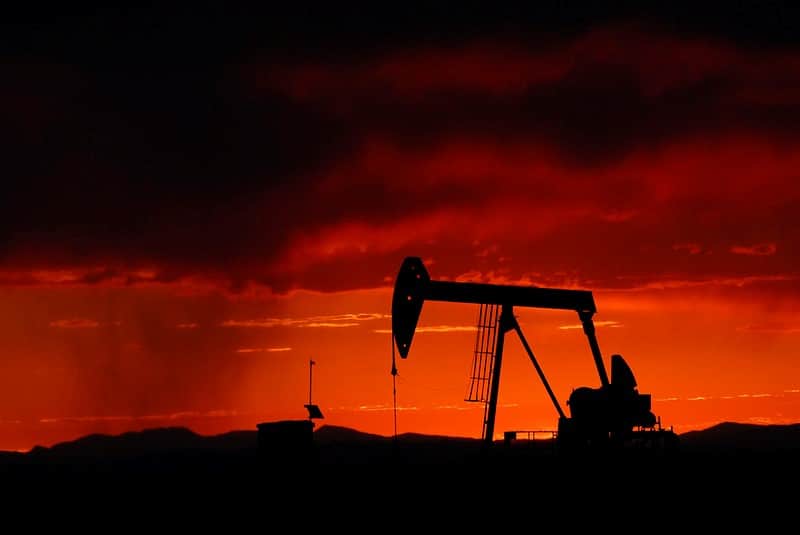
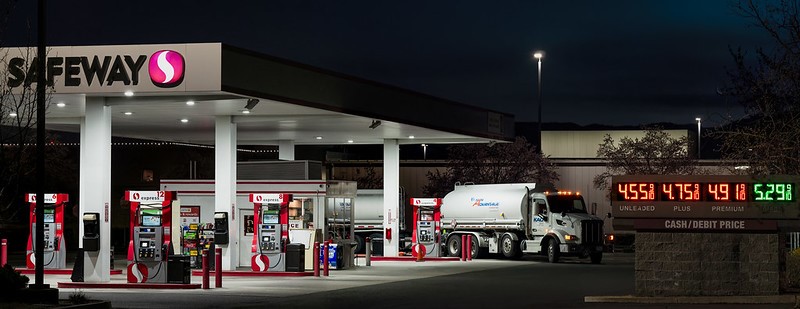
Did you know that as of this writing, Colorado’s average price per gallon for regular unleaded fuel is $4.27? That’s a more than $1 per gallon increase since this same time last year. It’s also Colorado’s highest recorded average price, according to AAA.
Gas prices are projected to increase over the next few months, leaving many consumers worried about making ends meet. The Biden administration has repeatedly blamed the oil and gas industry and Russia for the sky-high prices, but the truth is the blame rests on the current administration.
Supply and Demand Influencing Gas Prices
In March, President Biden stated that the increase in gas prices wasn’t a result of his administration. Instead, oil and gas companies aren’t using the permits they have, “First, it’s simply not true that my administration or policies are holding back domestic energy production. … [Oil and gas companies] have 9,000 permits to drill now. They could be drilling right now, yesterday, last week, last year. They have 9,000 to drill onshore that are already approved,” Biden said.
Biden is correct that there are over 9,000 approved permits. But, those permits include those authorized under Biden and those approved under former President Trump. Furthermore, it’s not unusual for presidential administrations to have thousands of unused permits.
Indeed, from a business standpoint, drilling permits are only part of the picture. Oil and gas companies must invest significant money and time into developing a producing well. For example, horizontal drilling alone can easily top $4,000,000. And, it takes an average of 5.5 years from discovery to the first production to bring a new oil and gas field online. Afterward, it takes an additional 17 years on average to reach peak output, according to Investopedia.
If you’ve ever invested, you know that you purchase a stock with the idea that it’ll be worth more in the future. Of course, if something happens, the stock price drops. Oil companies are in a similar situation. They’ll invest time and money into developing wells if they think there’s potential for future rewards. If not, they don’t expend that cost.
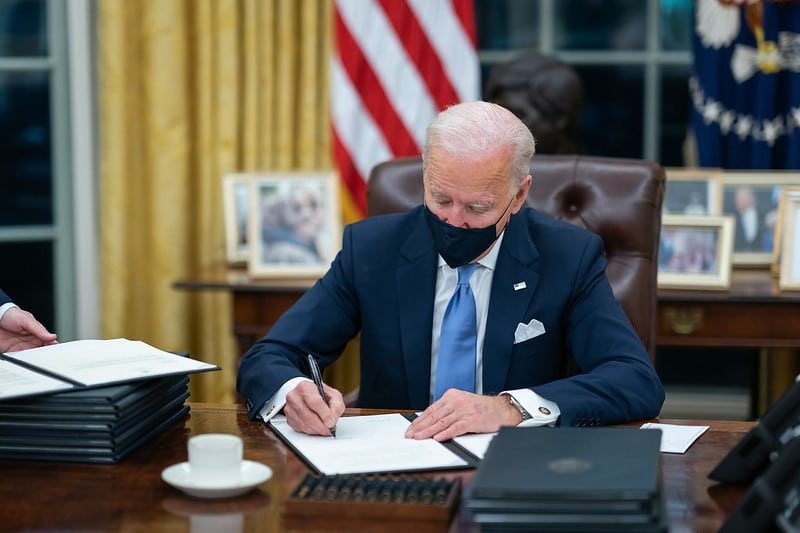
Biden’s War on Oil and Gas
When Biden campaigned for the presidency, he pledged to ban “new oil and gas permitting on public lands and waters,” “achieve a carbon pollution-free power sector by 2035,” and sign executive orders to “ensure the U.S. achieves a 100% clean energy economy and reaches net-zero emissions no later than 2050.”
When Biden was elected president, he followed through with his stated “plan for a clean energy revolution” by issuing several executive orders. Specifically, in his first week in office, Biden canceled the Keystone XL pipeline and implemented new regulations to reduce methane emissions, volatile organic compound (VOC) emissions, and harmful pollutants in the oil and gas sector.
Biden tasked the Interagency Working Group on the Social Cost of Greenhouse Gases to revise the social cost of carbon (under President Obama, the price was $51 per ton, but under Trump, that fell to approximately $1 per ton).
Biden then directed federal agencies to eliminate subsidies for fossil fuel companies. Clearly, Biden came into office with an agenda. But, he didn’t stop with the above.
Approximately a week after issuing these executive orders, Biden issued another executive order for a 60-day suspension of new oil and gas leasing and drilling permits for federal water and land and declared climate change a national security priority. A few days later, Biden amended the 60-day suspension to indefinite.
The oil and gas suspension remained in place until June 2021, when a federal judge reversed Biden’s order. However, Biden’s Interior Department still hasn’t conducted an onshore oil and gas lease sale. The first onshore sale is scheduled for June 2022, but Biden announced that the royalty rate for new leases would increase from 12.5 percent to 18.75 percent. That’s an increase of almost 50 percent and is the first time the federal government has increased royalties, according to AP News.
Biden’s Red Herring
When asked, Biden and his administration are quick to point to unused permits, but that’s misleading. Biden’s policies have signaled to the oil and gas industry that his administration views these companies as a threat to the climate and one that ultimately needs to be defeated. For oil and gas companies to feel confident about investments for the future, Biden needs to change his stance.
In fact, oil industry experts stated to The New York Post, “If Biden signaled full-throated support for US drillers to get to work — and perhaps allowed the re-starting of the Keystone XL Pipeline from Canada — global oil prices could similarly fall sharply.”
Myron Ebell, the director of the Competitive Enterprise Institute’s Center for Energy and Environment, went so far as to state, “Biden could go to the oil and gas industry and say, ‘OK, I’ve said we’re going to get off oil and gas and that you guys are yesterday’s industry, but I’m going to drop that,’” and the psychology behind the oil price increases would quickly reverse.
Biden’s to Blame
When Biden took office, he started his war on oil and gas companies. That hasn’t stopped, and his administration isn’t signaling that it plans to stop these attacks. Biden may give lip service to increasing domestic oil and gas production, but without positive actions to that effect, these claims are nothing more than trying to placate voters who are angry about gas prices.