



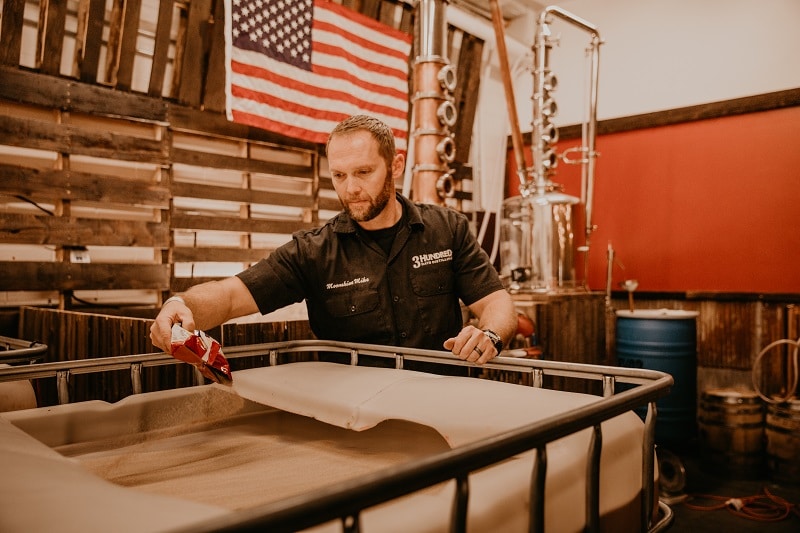
The essence of Colorado moonshine is a specific art, influenced in part by its organized crime history, especially during Prohibition. That love of history mixed with his own creative process motivated Army veteran Mike Girard to open his own distillery: 3 Hundred Days Of Shine in Monument.
Girard began making moonshine as a hobby in the Army when he was in Afghanistan back in 2012. Because there were not a whole lot of materials on hand, he used A&W Root Beer and a pressure cooker that was an IED at one time (he was a bomb tech). Girard just wanted to see if it would work. “I made my first batch just as an experiment, and it became a passion after that.”
After he returned home, before eventually retiring because of a medical discharge, he was able to create a much more sanitary still, which allowed him to tinker around with different mash mills. “I settled on a couple that I really liked and started adding flavors, just as a hobby.”
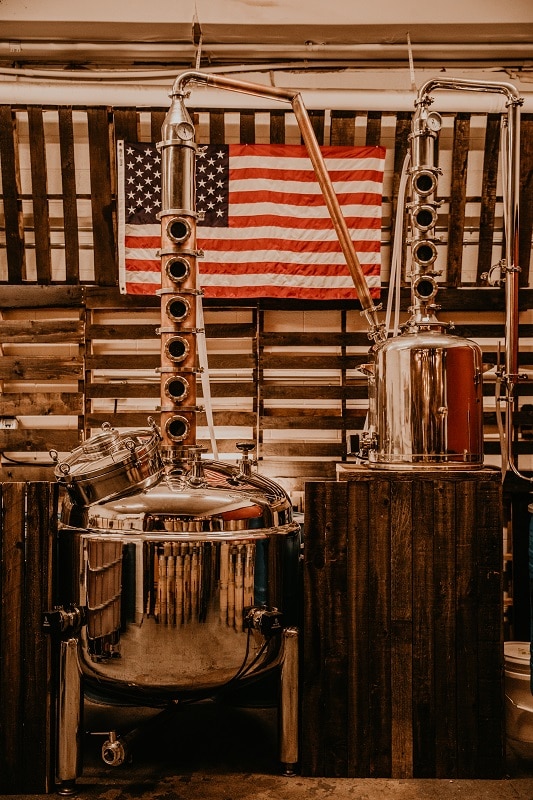
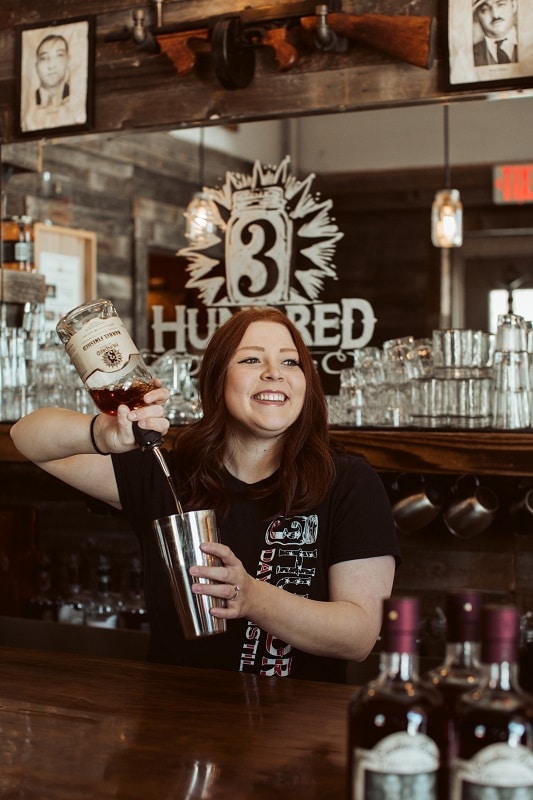
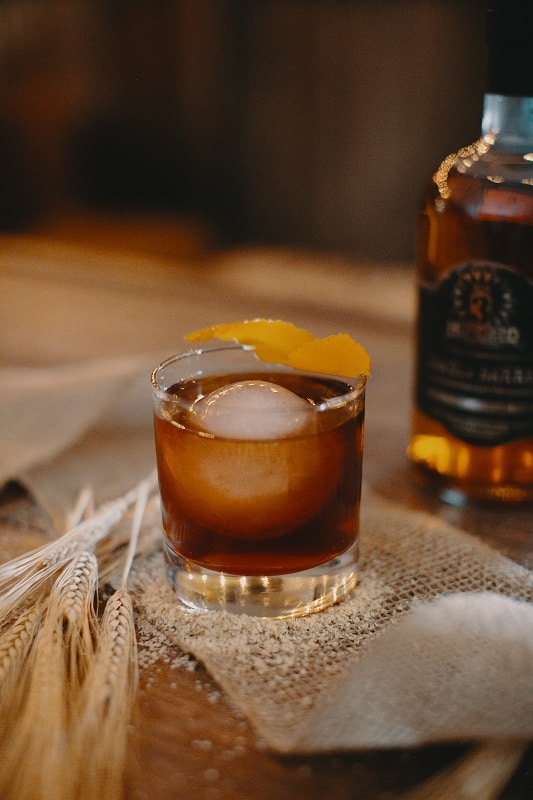
Making the Base Shine at 3 Hundred Days of Shine
Girard initially made the base shine: Sugar Moon, but it was a different formula than what they use now. He explains that he didn’t know much about true Colorado shine. At that point, he was making corn liquor or using oats.
Sugar Moon, as he makes it now, is made from beet sugar as it was originally. The reason for this is that beets were the cash crop of Colorado in the 1920s around the time of Prohibition. Girard points to a local moonshiner in Monument (where Girard’s distillery is based today) as a pioneer in that arena. When an actual distillery became a real possibility between his business partners/investors and himself, it was built on the concept of wanting to do something traditional to Colorado.
Girard and his investors put together a business plan they sent directly to the cities of Denver, Colorado Springs, and Aurora as well as Manitou and Monument. Monument, he said, got back to his investors within a week and loved the concept.
What stood out to Girard about Monument was that first, it was essentially located dead center between Colorado Springs and Denver, allowing him to focus his customer base on both ends. In addition, Monument had a small-town feel like the farming town he grew up in Montana. Then he found out about Chet Porter, the moonshiner maven who 100 years ago owned Porter’s Corner (where the Walgreens is now on 105). Porter ran that gas station by day and “probably the largest Colorado moonshine operation by night. It just kind of fit.”
Girard says they started small in terms of production. For him, it was about producing a quality spirit and selling it directly out of the distillery. The problem, he found out, was that self-distribution was a bit more taxing than he figured it would be. They were able to get Classic Beverage Company to distribute their product in less than a year. “We actually got turned down by every distributor that we talked to (initially) because they just didn’t think moonshine had a market.”
Finally, they did get in to see Classic, took them some samples, and told them the story of how he got started and the history of Colorado and how it all ties in. “They took us on. [And] within a year, we were in the top five in their portfolio.”
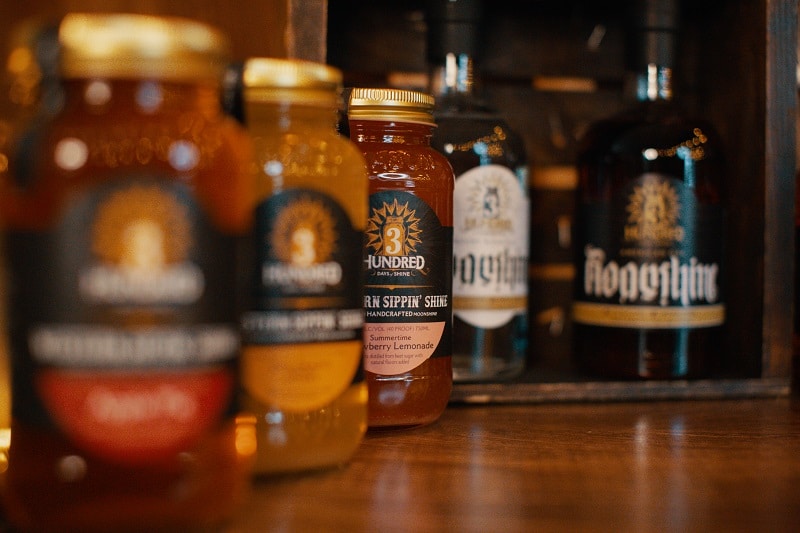
Their original six flavors were apple pie, peach cobbler, strawberry lemonade, margarita moon (which is now lime and shine), Colorado harvest honey, and their cinnamon Firebomb. “That was it. We had six flavors. That’s all we did. We didn’t even do a clear, high-proof moonshine because it’s not a big seller.” Girard says Sugar Moon in the clear bottle of 105 proof didn’t even come around until two years into the business. “People really started asking about wanting to taste what our traditional Colorado shine tastes like without any flavors added to it.”
The Intrinsic History Behind Colorado Shine
The history behind the moonshine trade in Colorado is a passion for Girard as well. He says he did a lot of research. He points specifically to a book written by Betty Alt, a professor at UC Pueblo in 2008 called “Mountain Mafia”’ which tracks the history of Colorado organized crime and illegal alcohol bootlegging back in the 1920s.
As far as organized crime operating in the area at that time, it was Italian immigrants who started with the Blackhand (organized crime before Prohibition) and they dealt a lot in extortion. “They would write handwritten notes saying, ‘If you don’t deliver this much cash at this certain time, then we’ll do harm to your family.’”
Girard says that it is also key that Colorado went dry a year before the rest of the country did. “That just opened a giant revenue stream for organized crime. And Colorado was no different than anywhere else.”
Girard loves sharing this knowledge that fuels the background of his distillery. “We give tours but also on our walls we’ve got Denver Post articles that are all about the Prohibition era, especially talking about the Carlino Brothers.”
The Carlino Brothers, who are a focus of the Mountain Mafia story, even grace the bottle art of one of their flavors. The Post articles cover stories such as Pete [Carlino] blowing up his house, a raid on a bootlegger’s convention in Denver, the assassination of Joe “Little Cesar” Roma in Denver and the assassination of Sam Carlino, The Carlino brothers’ mug shots on the walls at the distillery are from the actual Carlino family archives. “They sent them to me,” Girard says.
This love of history reflects in how Girard approaches the flavors in their specificity. For the Colorado Harvest Honey, he explains that they get honey from Elizabeth, Colorado, and blend it with their Sugar Moon. At 100 proof it’s one of their most universal spirits. He says it can be mixed with everything under the sun. “Literally it’s my go-to because it mixes with every fruit juice and soda that you can buy. I’ve even mixed it with beer.”
New Approaches and Changing Tastes
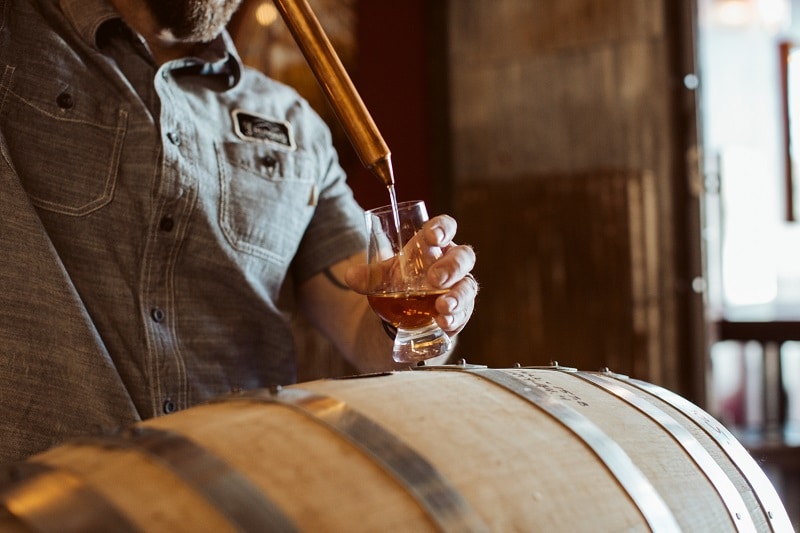
Single Barrel is their first run of a barrel-aged shine to try and make it taste like a whiskey (and not a rum). “We use a lot of sugar, but we add wheat germ to the mash-build to give it more of that grain whiskey flavor.”
Single Barrel has aged a minimum of 300 days, which is an average for their kinds of spirits. “Those spirits get a lot of flavors really fast so they taste like a young American whiskey,” Girard says their barrel finish line takes a little bit longer as it is aged at two years. “And it’s a combination of barrels that we put together that have that almost single malt character to it.” 3 Hundred Days also has an American Oak, where they added rye to the mash and aged it for one year.
Girard’s goal with 3 Hundred Days Of Shine was to have something for everybody and try to eliminate the fear of the Mason jar. He says the preconceived notion is that it will make you “burn and light your face on fire…it’s not that at all.”
3 Hundred Days actually makes a line of 40-proof spirits that are designed to be almost like a mixed drink in a bottle. Girard says these flavors (like Apple Pie and Strawberry Lemonade) are popular for putting into a cooler along with beer.
“If you don’t feel like a beer, and you feel like a mixed drink, you can spin the lid off and just pass the jar around. It’s one of those perfect items for just sitting around a campfire, sitting around a barbecue grill or a smoker in the backyard, and just telling stories.” He says that is what moonshine was made for: just that coming together and sharing something that tastes as good as it does.
Girard says he feels a sense of accomplishment when a customer drinks his moonshine for the first time. Their look of surprise when they find that it is delicious when they expected otherwise is fulfilling in and of itself.
He says that there are so many times he hears people say, “Oh, I’m not going to try moonshine. Oh, that’s terrible. I can’t do that.” But then when they try it, they usually buy three or four bottles. “And it becomes a staple in their home.”
He hears stories of customers taking his moonshine all over the place, including to family in places like Hawaii or Minnesota. “And then all of a sudden, we have people walking in from Idaho and California and Texas who buy five, six cases every time they’re here because they had it once and they can’t leave Colorado without buying my liquor and taking it home. For me, that’s pretty special.”







[…] number of local products available, there is enough for everyone. Local brands he mentions include 3 Hundred Days of Shine, Red Leg, and Bell Brothers, who recently opened a brewery downtown on Tejon […]