


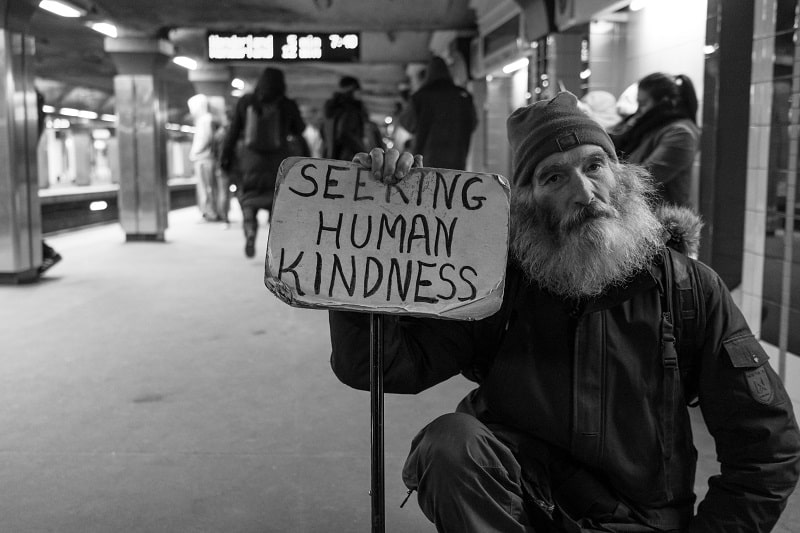
Juggling Safety, Compassion, Property Needs, and Quality-of-Life Realities; Push and Pull Over Open-Space Tent and Shack Cities; Long-Term, Popular Solutions Still Lacking for the Homeless
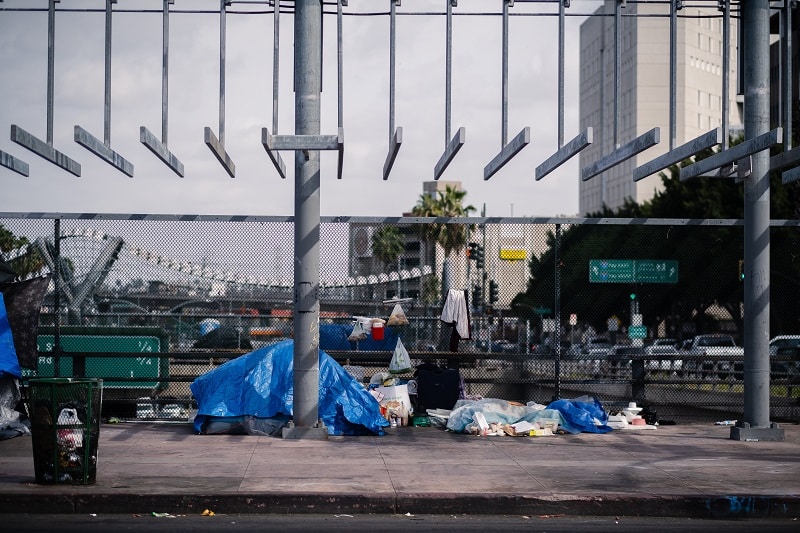
Homeless encampments, and the accompanying hazards, have sprung up in Denver, Boulder, Colorado Springs, and elsewhere throughout the state in the last few years.
These camps have become an electrified issue.
The Many Sides of the Encampment Problem
Homeowners and housed residents’ have demands for safety, as well as easily accessible parks and public spaces. Homeless activists want expansive social spending programs, including housing. Law enforcement wants to devote fewer resources and work hours to policing the camps.
Homeless advocates and shelter operators want individuals to 1) have ID and/or 2) demonstrate drug and alcohol sobriety before getting shelter. To keep a bed, some shelters also require soft pledges of routine residence at the shelter or notice of a temporary absence. Of the homeless being asked, there is a stated unwillingness of at least 1 in 5 not to avail themselves of shelters.
Politicians, naturally, aim to hear and respond to all the parties involved.
Safe, Clean Streets are Enduringly Hard-to-Argue Against
One side of the issue that is speaking up is the voting public. Voters in Denver said no to public encampments before. In 2019, the questionably named “Right to Survive,” which sought to effectively allow public camping in Denver, lost with 81% of voters opposed.
Similarly, despite sometimes accepting activist demands, outgoing Progressive Denver Mayor Michael Hancock has stated his commitment to continual clearing of homeless encampments citing overall safety and sanitation concerns.
Five interview requests—a property owner, a Street Enforcement Team leader, a homeowner/property-owner quoted in national news stories, the Pearl Street Mall ownership, and an ecumenical outreach ministry—went unanswered for this story. Multiple attempts to interview Colorado Springs agencies were also not responded to.

Room of One’s Own: Basic Housing Marketables
The desirable features of home location are universal: 1) low crime or good overall safety, 2) easy or predictable access to grocery and basic goods stores, and 3) overall circumstances that accommodate a person’s occupation. Public schools are also a factor as many first-time home buyers are new parents.
The urge to live peacefully and welcomingly with all housed or homeless citizens almost always collides with basic safety and quality of life issues. Denver is not the only city facing that tension.
Housing Problems for the Non-Homeless
Providing those basics and other desirable lifestyle factors for homeowners is the goal for most cities and small towns. But crime, obstruction of sidewalks, and aggressive panhandling are part of the problem with encampments.
As well, the severe, inescapable problem of public urination and defecation in and around homeless encampments is a major problem. As is other waste or discarded items. According to a report released in July by the city of Boulder, a recent camping ban initiative gathered over 200,000 pounds of debris in only a year-and-a-half.
Another unforeseen problem was a trio of grass fires that ignited from a homeless encampment in January in Colorado Springs.

Markets, Money, and Citizen Mobility
All these factors make buying a home in certain parts of Denver or other municipal townships with a refractive homeless problem unappealing, if not an outright dealbreaker.
When that housing chill happens, there are fewer citizens with higher, taxable incomes. This affects the tax base which affects state and civic services. Those citizens also have income sufficient to live wherever they want in the state. If a city or borough is not safe or clean, they’ll choose somewhere else away from the difficulties of an outsized homelessness presence. That in turn affects the cities’ or townships’ economies; reversing gentrification.
Well-heeled (or even just adequately heeled) citizens, by the looks of it, are choosing to move when homelessness becomes unavoidable in a location. Real estate agents, knowing this, chimed in on the matter of public camping. The National Association of Realtors tied for top donor in the effort to defeat Denver’s “Right to Survive” Initiative giving $200,000.
The Activists Have Spoken
Another complication is the long view. In the effort to move along, whether long-term or not, large groups of homeless persons do not end the camping but relocate it.
Progressive homeless activists argue just that. “Anti-camping often just serves as a ‘leaf blowing’ exercise in which people are scattered to other public areas,” said USC Social Work professor Benjamin Henwood to SmartCitiesDive.
Activists hope to allow for street camping, citing it as essentially a matter of survival. In May, the ACLU of Colorado and the non-profit Feet First filed a lawsuit against Boulder’s encampment-oriented bans saying they are, according to the filings, “targeting the unavoidable trappings of extreme poverty.”
The other goal among the various groups’ leaders in the provision of full-scale, safe, subsidized housing to homeless persons. The activists want that housing to be, at least initially, without strings attached to sobriety or criminal records. It is called the “housing first” approach.
The Business, Property Owners, and Local Governments Have Spoken
Another big donor to “Together Denver,” the effort against Denver’s 2019 encampment allowance initiative, was Colorado Concern, “an exclusive alliance of top executives with a common interest in enhancing and protecting the Centennial State’s business climate.”
The Downtown Denver Partnership, a private-sector-oriented non-profit that advocates for continued downtown revitalization also spoke up. They matched the National Association of Realtors’ donation to stop “Right to Survive,” giving $200,000 to defeat the issue.
As the encampment problem gets increasingly intractable, Colorado cities, counties, urban boroughs, and other municipalities have collectively enacted a suite of anti-encampment policies.
Sample of Local Government Encampment Policies
- Aurora narrowly passed a ban on homeless camping in May but hasn’t written a ticket as of mid-July
- Grand Junction renewed its camping ban in May and removed the mandatory review/sunset clause
- Castle Rock’s on-the-books policies are a ban on camping outside except in designated places and a ban on all right-of-way obstructions on streets, sidewalks, etc.
- Fort Collins went further than some and banned camping long-term on private property, even with the property owners’ permission
Encouraging Self-Help Before Tickets
City and county governments in Colorado are encouraging the homeless to access services. Tickets, move-along orders, and clearings appear to be a last resort. In addition to Aurora’s not writing any tickets as of mid-July, Denver’s Street Enforcement Team had not written a ticket as of mid-June.
The Street Enforcement Team is a Denver civilian task force. Non-law enforcement persons visit the city’s encampments and give detailed and specific guidance plus information on mental health, addiction, housing, and related resources.
The hope is that introductory access to services by itself will begin the establishment of healthier, more sustainable lifestyles.
Short of Philosophical Deep-Dives, Long-Term, and Popular Answers Remain Elusive
In his final State of the City address, Denver Mayor Michael Hancock touted some of his numbers in helping to change homelessness in and around the capital. A new effort of his is a pilot program of guaranteed income: the disbursal, for certain citizens, of $1,000 per month for a total of 12 months.
Ultimately, some things don’t have quantified limits. The limits of public policy, of a homeowning citizen’s compassion, of a city to subsume high social spending costs—those limits are now being discussed. Determining such a number looks calculating. All citizens and groups have different ideas about where the sidewalk ends in this case.