

What Ballot Measures Passed and How Will They Affect Taxpayers?
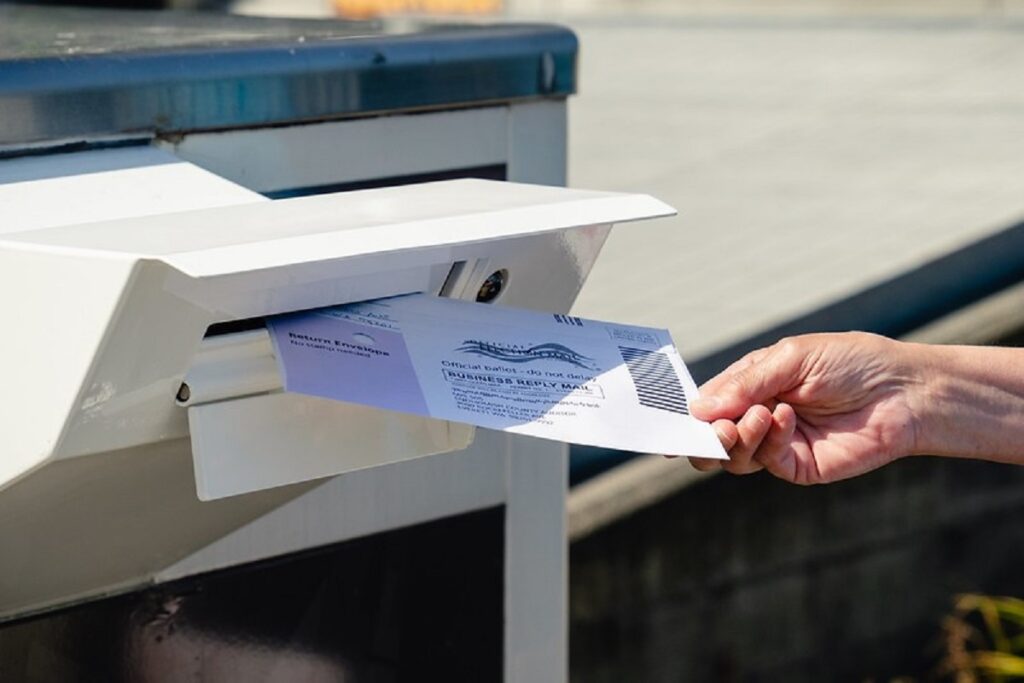
Now that the 2022 mid-term election is behind us, the results of most of the ballot questions are official. Locally, not many issues were brought to the ballots, but statewide there were nearly a dozen.
After the election, voters in El Paso County voted firmly to extend the PPRTA sales and use tax to 2034. But voters in Colorado Springs denied the attempt to allow recreational marijuana sales in the city by a 9-point margin. However, Palmer Lake and Cripple Creek had the question to legalize retail marijuana sales on the ballot and both cities passed the measures.
Statewide Ballot Measures Mostly Pass
Out of the 11 ballot measures statewide, eight passed and three failed.
Some of the ballot measures went the way most thought they would, but others seemed to surprise political analysts when they failed. For example, two of the measures (Proposition 124 and 126) were advertised during the weeks up to the election as ways to help mom-and-pop businesses compete in the alcohol market with larger corporations, but both failed.
Prop. 124 suggested that people should be allowed to have more liquor licenses than only the three they are currently allowed, but it was voted down by 62 percent of the votes. Prop. 126 would have allowed third-party delivery services to deliver alcohol, but it failed with 51 percent of voters saying “no.”
Another ballot measure that would have helped charitable organizations by changing the regulations when it came to gambling also failed significantly. Amendment F would have allowed charities running gaming activities like raffles or bingo to pay their managers and operators. It would have also decreased the amount of time a charity must exist before being allowed to run gaming operations.
On the other hand, Coloradans said “yes” to directing the governor to designate judges to the new 23rd Judicial District from the 18th district.
Colorado Amendment E which will reduce the property taxes paid by a homeowner who is the surviving spouse of a veteran was also approved with nearly 88 percent of voters in favor.
Prop. GG, which requires a tax information table to be included on petitions and ballots for any citizen-initiated measure that changes the individual income tax rate, was approved by a landslide.
Prop. 121 which was on the ballot aimed to reduce the state income tax from 4.55 percent to 4.4 percent and it was approved by 65 percent of voters. And Prop. 122, which would legalize psychedelic plants and fungi, passed statewide with 53 percent of voters approving the measure.
The last two measures (Proposition 123 and FF) that passed could have the most significant impact on local taxpayers.

Proposition 123 Will Set Aside $300 Million Annually for Affordable Housing
According to an article published by the Colorado Sun, the passing of the proposition will set aside up to 0.1 percent of taxable income every year for affordable housing. “That’s estimated to be $145 million in the current fiscal year — which ends June 30, 2023 — and $290 million in 2023-24 and subsequent fiscal years,” the article reported.
On the one hand, the measure sounds good because it will not raise taxes to put money into affordable housing. But it will reduce the amount of money Coloradans get back from their TABOR refund.
“In years where state revenue exceeds the TABOR limit, the measure reduces money returned to taxpayers,” the Colorado Sun reports. “In tax year 2023, the measure is projected to reduce the TABOR refund by $43 and by $86 in the tax year 2024, according to nonpartisan legislative staff.”
Arguments in favor of the proposition said that a source of funds to battle the state’s housing issues are needed because local and state governments are not doing enough to keep housing affordable in the state. Proponents of the measure also said that affordable housing programs will counter the state’s high housing prices and enable more essential workers and residents to live in their communities.
Those speaking against the measure said that affordable housing programs do not address underlying issues of high housing costs and that they solely benefit landlords and housing developers. Opponents of the proposition also said that the measure takes money away from the state’s budgeting process to set it aside for fixed uses.
Proposition FF Provides Free Meals to All Public-School Students
According to an article published by CPR, the new program will raise $100 million a year by taxing the state’s wealthiest residents. “Those making more than $300,000 annually will see their state tax deductions limited, increasing their taxable income,” the article reported.
Therefore, free meals for students of all income levels will come at a price for some Colorado taxpayers. According to an article published by Truthout.org, the measure will hit the pocketbooks of around 114,000 households or about 5 percent of state residents that file taxes.
Proponents of the measure said that almost 70,000 kids in the state can’t afford meals and they do not qualify for the state’s free or reduced-price meals. CPR also reports that the measure will fund pay increases for cafeteria workers to help schools deal with staff shortages.
Arguments against the bill stated that it was not necessary to raise the taxes of some residents to pay for meals for students that may not need them since low-income students already receive free meals. Opponents of the measure also said that schools in the state are underfunded and that if voters want to increase taxes to help students, then it would be better to give local school districts more funds to use in a way that best serves their students.