

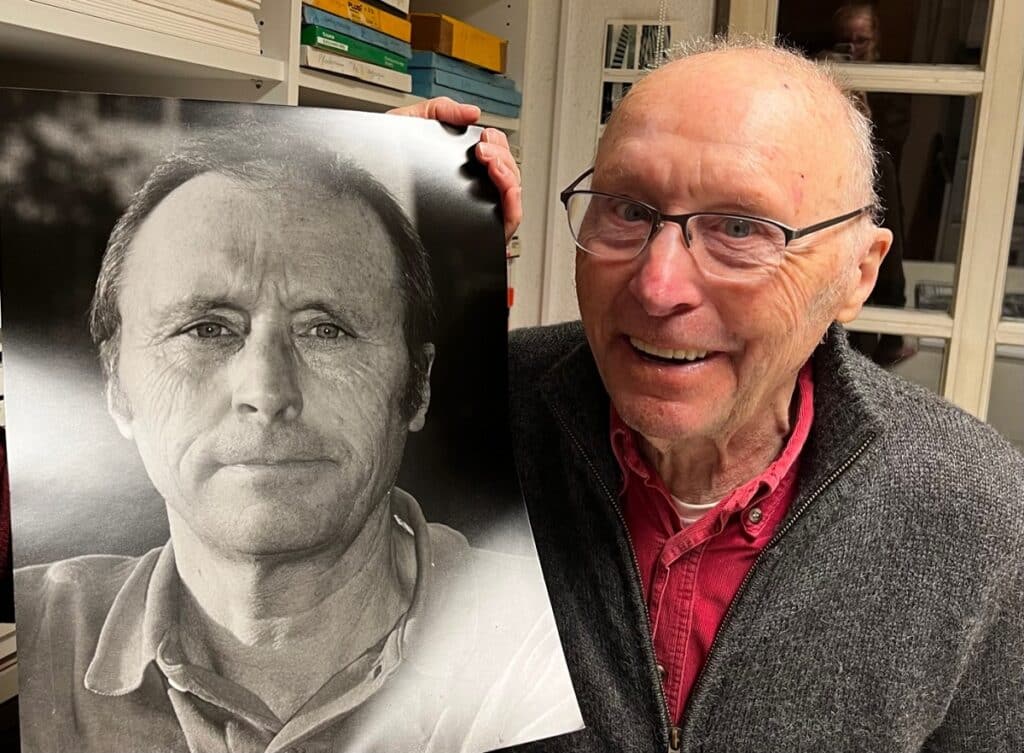
Born in Germany on Nov. 17, 1932, to Max and Magdalena, Horst Schafer opened his eyes to the home country he would quickly grow to love. Schafer first lived in Westerwald, a low mountainous region bordered by the Rhine river. Over his years, he traveled and lived in numerous locations across Europe and North America.
A man of passion, Horst Schafer tried his hand at several trades and found his true talent in photography. His eye found beauty in areas commonly overlooked by the general public and captured these moments in his photographs.
Early Life of Horst Schafer
Schafer was born prior to World War II, during a time when Germany was in economic disarray from World War I. Although young, he experienced the effects of war-torn Germany in his childhood. He missed two years of school during the war and his father was away from their family for six years. Schafer and his family were required to relocate several times and even experienced being shot at by warplanes overhead. Despite this, he still found adventure and excitement wherever he could.
After the war ended and as Schafer grew older, he became interested in becoming a forester. Unfortunately, the post-war reality was that there weren’t enough available jobs, and the cost of schooling was difficult for individuals and families to shoulder.
Eventually, he obtained ten years of formal education and continued to study diligently while working as an apprentice bricklayer to earn a living. The apprenticeship would help him qualify to get into higher education. He decided to pursue civil engineering, which required fluency in two foreign languages. Schafer got on his bicycle and traveled to France and England to study and improve his proficiency in these languages.
During this period, he was introduced to photography and a seed was planted in him.
Moving to America
Erika was a beautiful young woman Schafer met at a ball in Germany. They fell in love, married, and had their first child. Due to his recently discovered passion, he decided to teach himself the trade of photography and make a living from it.
However, with the lack of jobs and available homes, Horst and Erika Schafer made the hard decision to leave their home country and begin life in America. Horst took the voyage on the immigrant ship first so that he could find work and a home for their family, saving up money to pay for his wife and daughter’s passage to America.
He first arrived in Canada, where the immigration laws weren’t as strict. He lived in Toronto, Calgary, and Edmonton, and during his time in Canada, he worked as a bricklayer and a dance instructor, then eventually found a job in photography.
When he finally attained a visa for the United States, he moved to New York where Erika and their daughter Birgit would eventually join him in the spring of 1961.
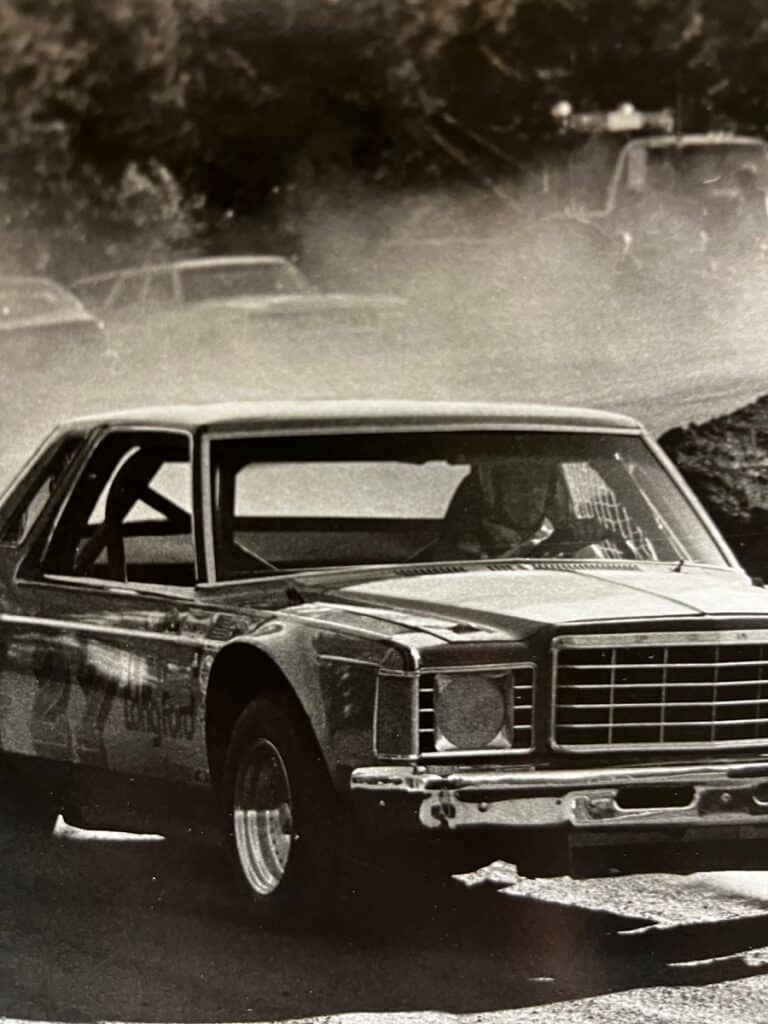
Schafer worked as a journalistic photographer for several years until he had the opportunity to work for the New York Racing Association in 1964. He took photos of jockeys and horses, including Triple Crown winner Secretariat. In 1968, Schafer won Press Photographer of the Year for his work at New York Racing Association.
Adventures in Colorado Springs
Horst and Erika had another daughter they named Heidi during their time in New York. The family of four moved to Denver in 1974. During their time out west, Schafer took a job with the Colorado Springs Sun. He traveled periodically to Colorado Springs and photographed life in the shadow of Pikes Peak.
The Colorado Springs Sun was a daily newspaper whose competitor was The Gazette. The former was bought in 1986, and Schafer’s time with them was short-lived. However, his photographs of life and architecture are timeless.
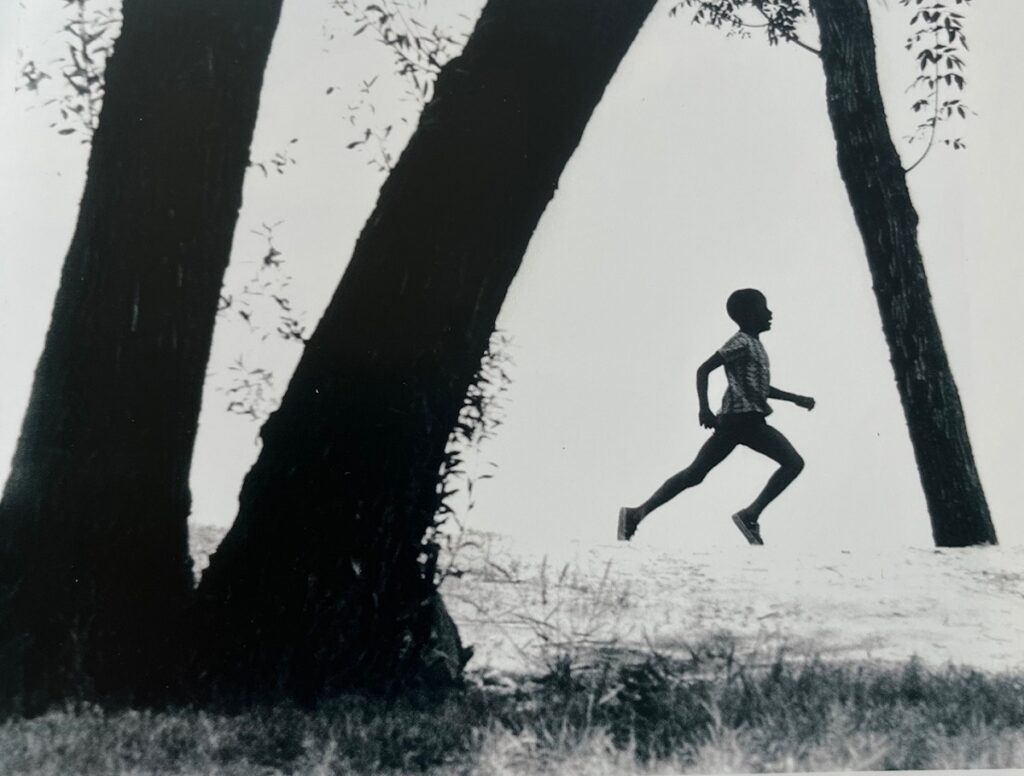
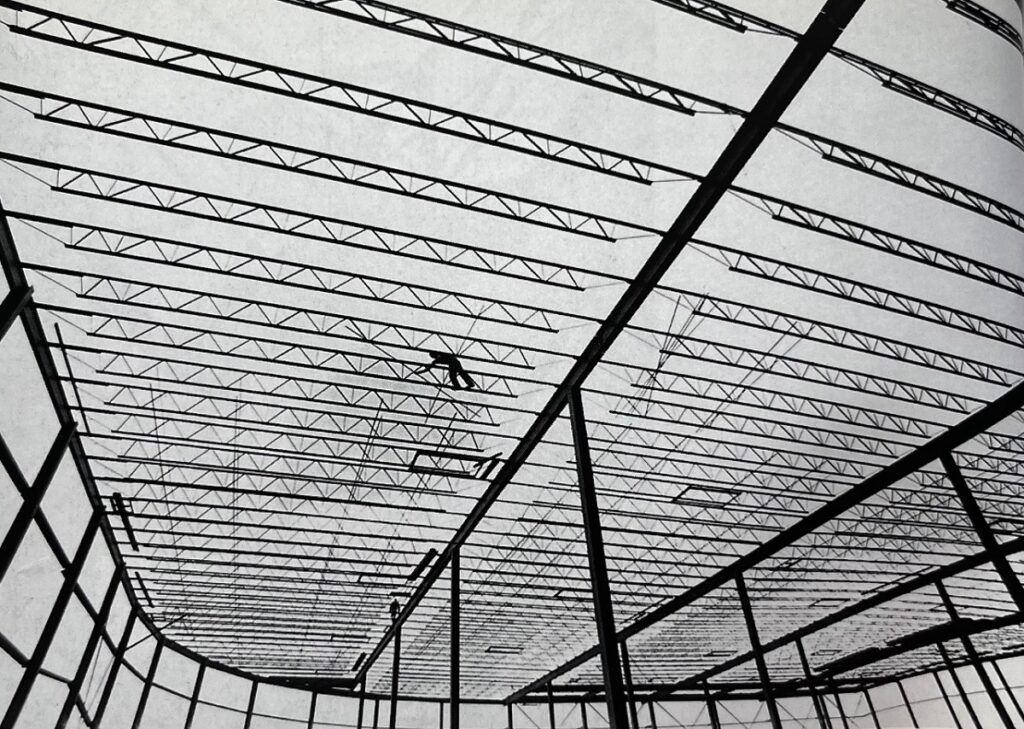
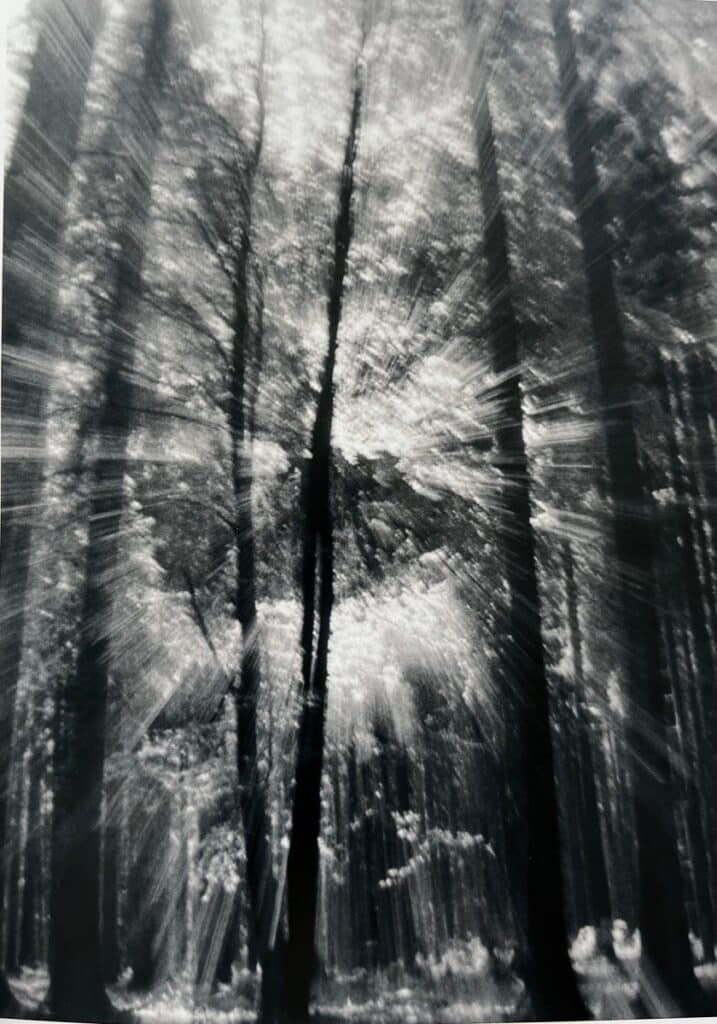
The patterns, form, and beauty of nature and architecture always entranced Schafer. His photos contained many natural subjects, but he also captured life in the man-made structures around him. Schafer found the flow of lines intriguing and often juxtaposed the rugged and organic with the rigid, carefully constructed architecture. He loved to celebrate life in his photos and the life of Colorado Springs was illustrated through his work despite his short employment with the newspaper.
This stage in his journey further developed his skills, artistic portfolio, and professional connections. His niche was abstract and architectural photography, and the natural and man-made offerings of Colorado Springs catered beautifully to his creative abilities.
Remainder of Life
Horst and Erika later separated and both continued on their passionate professional paths, bringing Horst back to Germany. He met and married another love, Christine, and stayed with her for the remainder of his life in his home country. There he flourished in his career as well as recognition.
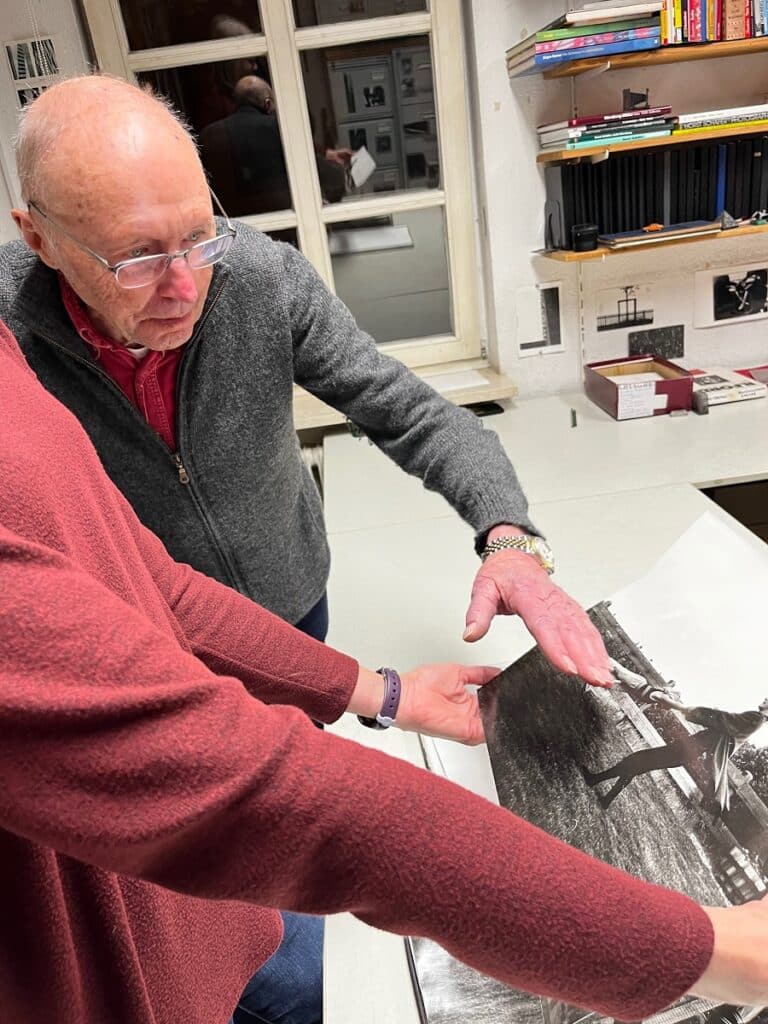
Schafer continued photographing the human and natural occupancy of spaces. Myriad exhibits showcased and celebrated his talents. He became known for his abstract photography which often showcased unique architecture. In 2002, Schafer was presented with the Grand Cultural Prize of the City of Nuremberg.
His love for art, nature, and the interactions of human life alongside stunning architecture is carried on in multiple ways through his two daughters, eight grandchildren, and three great-grandchildren.
Horst Schafer passed away on Aug. 25, 2022. His family remembers his camera as his constant companion, always searching for the alluring evidence of movement and the existence of something worth remembering as others might overlook it.