

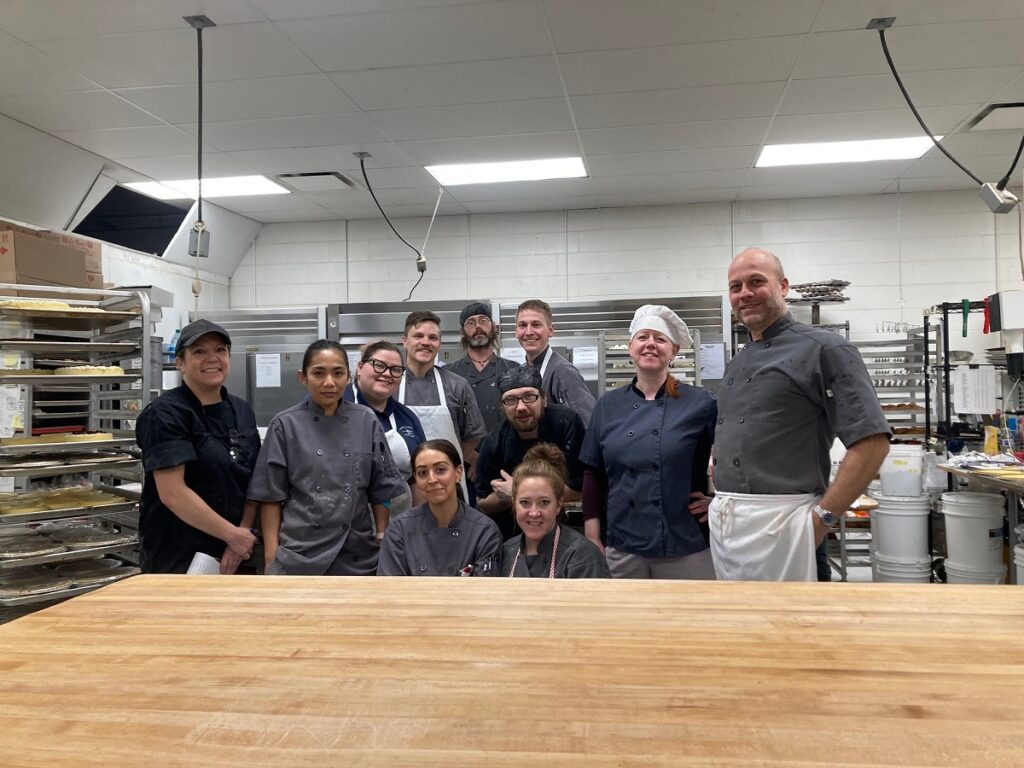
Stephen Boonzaaijer (pronounced bone-zi-er) of Boonzaaijer’s Dutch Bakery in Colorado Springs has a family baking history that goes back five generations, but his lineage in culinary arts is about taking that knowledge while balancing the wants of his customers whether it be through artisan breads, cakes, tortes or cream pies.
Boonzaaijer says the Dutch baking approach he uses in his shop is international and heavily influenced by French pastry. He is able to adhere to this classic technique while adjusting as needed. This can be traced back to his training in the Netherlands during his formative years. Also very important was his initial introduction to working at his grandfather’s bakery in Kalamazoo, Michigan when he was 5.
“Things change over 34 years. When I went back to the Netherlands to train, I learned about the difference in the levels of sweetness; using offerings of fresh fruit to give more texture to the product.”
When Boonzaaijer came back to the States and eventually started his bakery in the Springs, he quickly got a feel for this market. He decided that his new shop could not just do a drop-in product of “This is how they do it in the Netherlands, so this is exactly how we’re going to do it here.” This, he explains, is because the American palate generally prefers things sweeter. Though he says, this has started to change over the decades, people now want things less sweet.
Real Foods Make a Difference at Boonzaaijer’s Dutch Bakery
Certain other elements, he adds, make a difference in quality … namely butter. “We’ve always been a butter bakery if you will. We’ve always used fresh whipped cream. But now with the whole non-GMO organic angle, people also do want things more in their more natural state. So, it becomes a selling point that we make our danish with fresh butter, and we put fresh whipped cream on our pastries.”
Boonzaaijer says customers now know why it tastes better – because they’re getting the real deal. “And it’s important to them that they’re getting icings that are made with real food ingredients instead of a lot of the artificial fillers the supermarkets offer.”
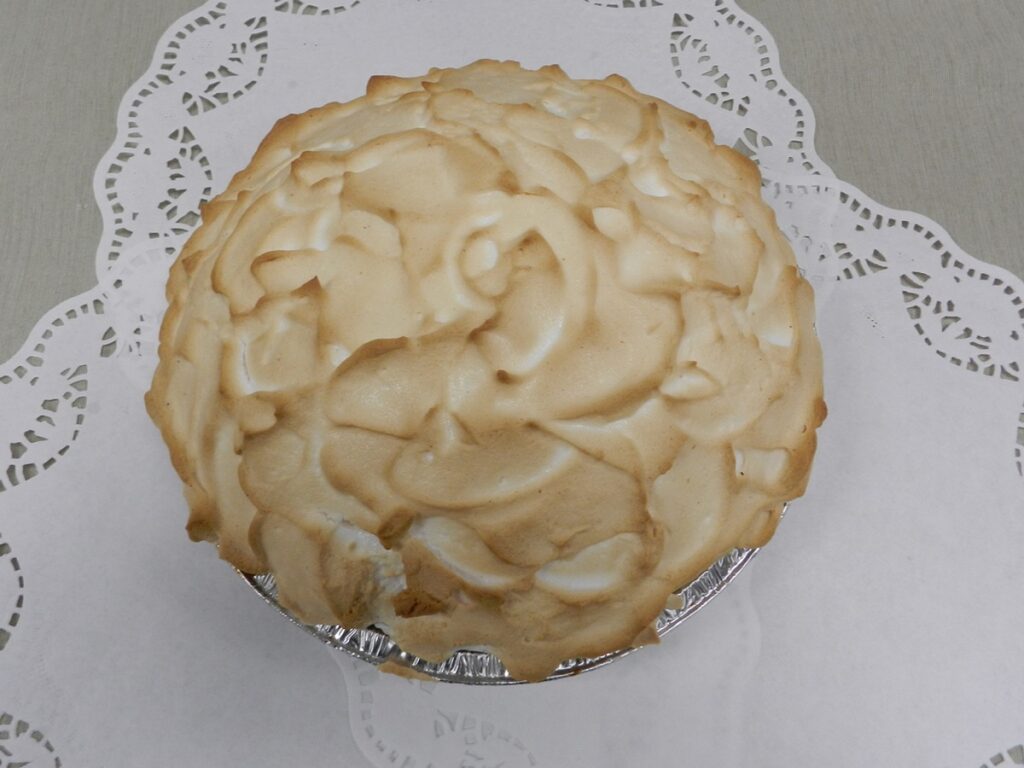
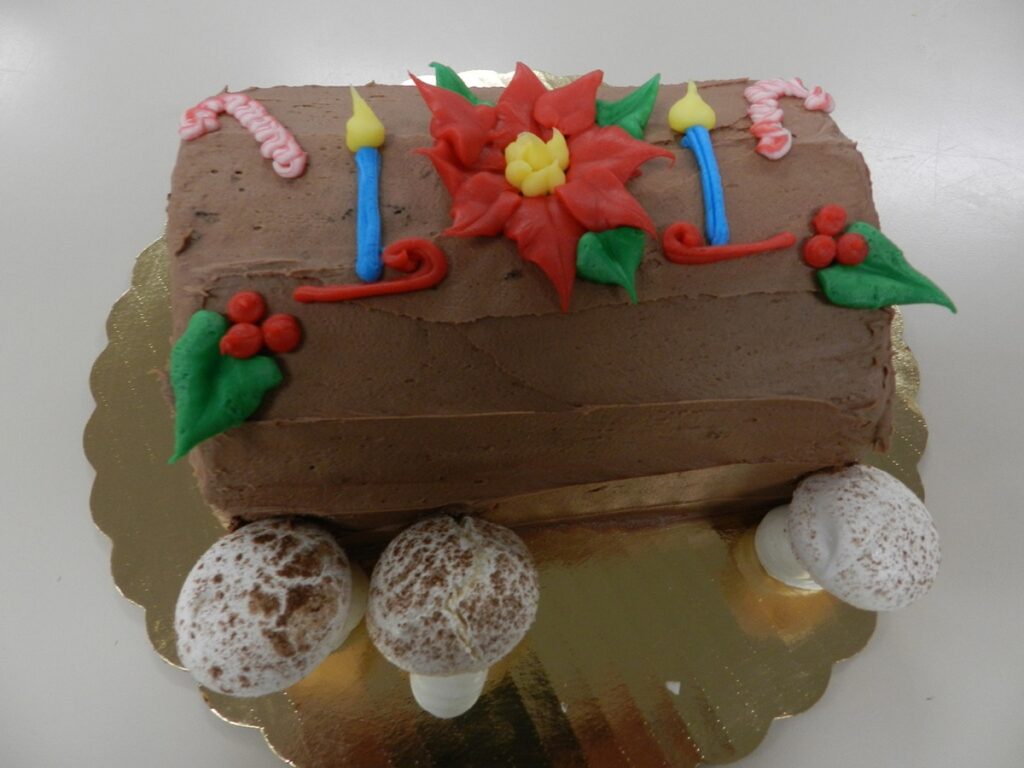
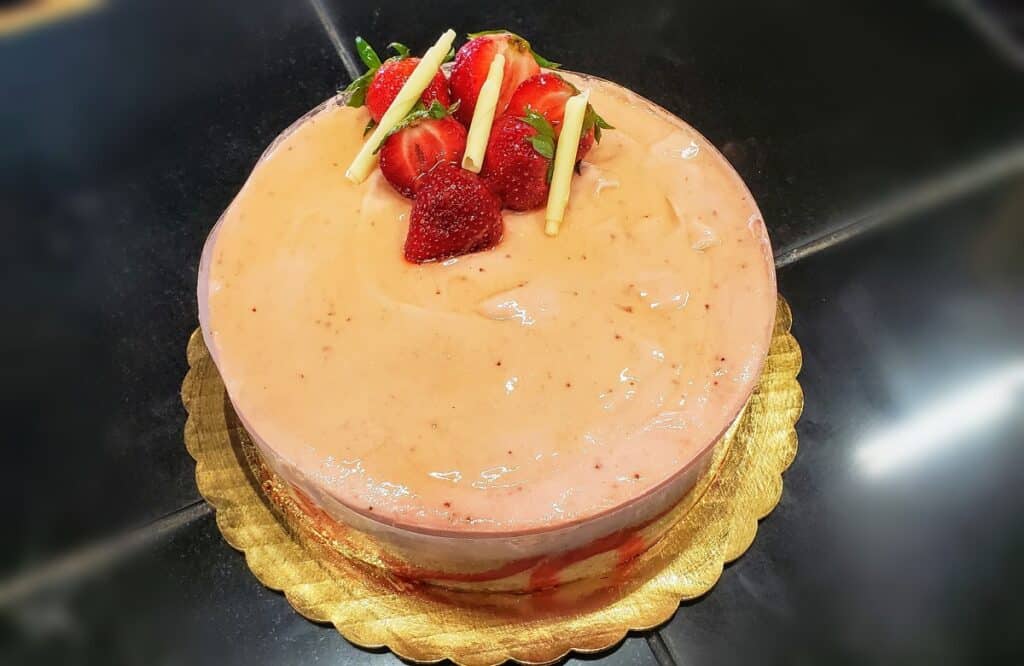
Using the icing as an example, Boonzaaijer explains that standard American-style icing is made by putting creamier fats together and then adding powdered sugar. He says at his bake shop, they move more toward what is called Italian-style icing (even though it is a Dutch bakery) where the meringue egg whites are whipped. “And you cook those and fold them through the buttercream, which has a lightening effect on the meringue with less sugar.”
Boonzaaijer also says they do a lot of pie business, unlike Europe where it is not as big. “We move a lot of pies. And I think it’s because I built up my pie program using IQF (Instant Quick Fresh) fruit roots because I was never happy with the standard bakery approach of opening a can and putting it in a pie crust.”
Boonzaaijer says rule number one, “If I make something, I’ve got to like it. I got to be OK eating it myself.” The crust, he explains, is a factor of the type of fat that goes in, the amount of sugar, and the temperature at which you bake. He says for example, for one of his cream pies, you have to pre-bake the shell and then fill it with the cream while for a fruit pie, the crust bakes along with the pie. He admits that the bottom crust in a fruit pie is difficult to make crumbly, but the top crust will toast off “real nice” and give that flaky texture.
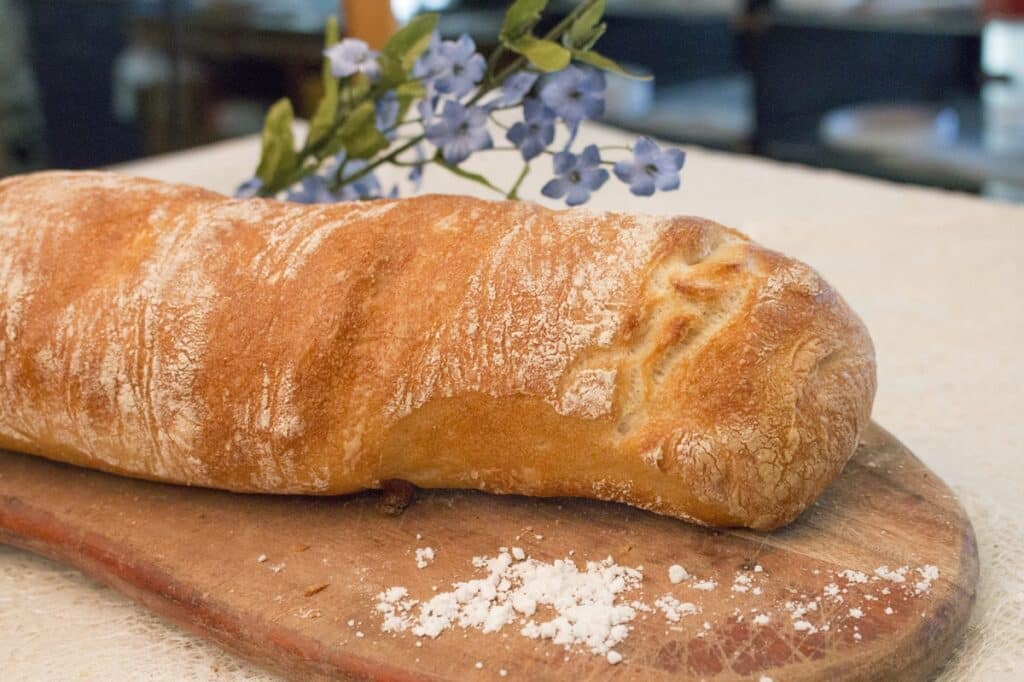
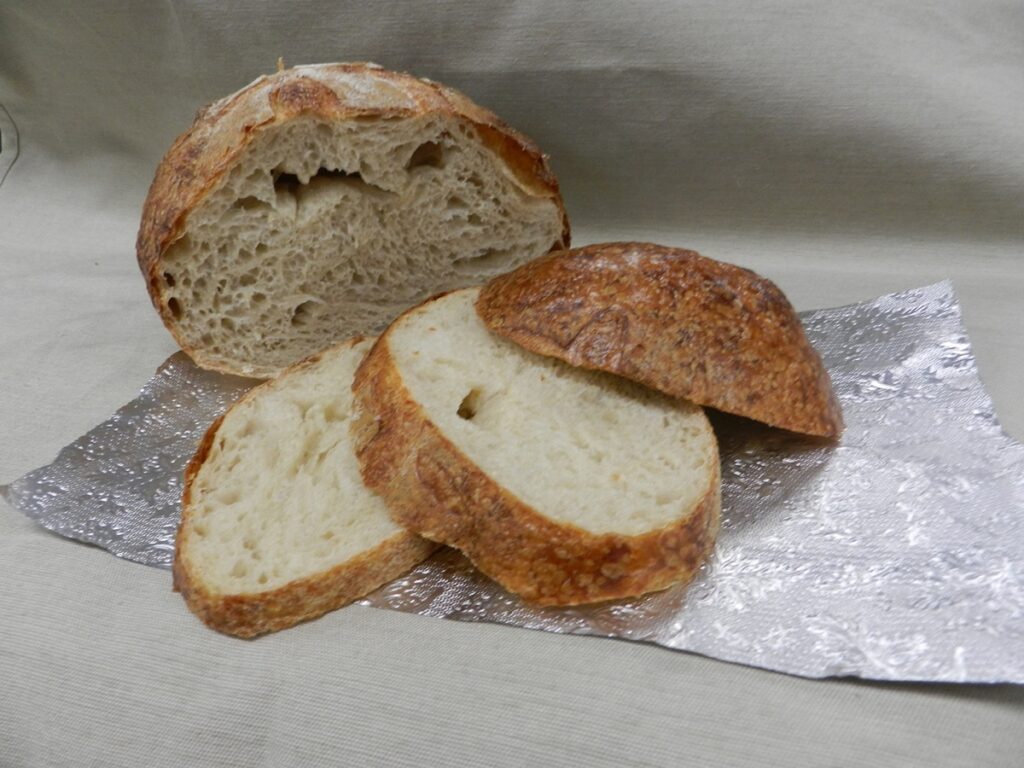
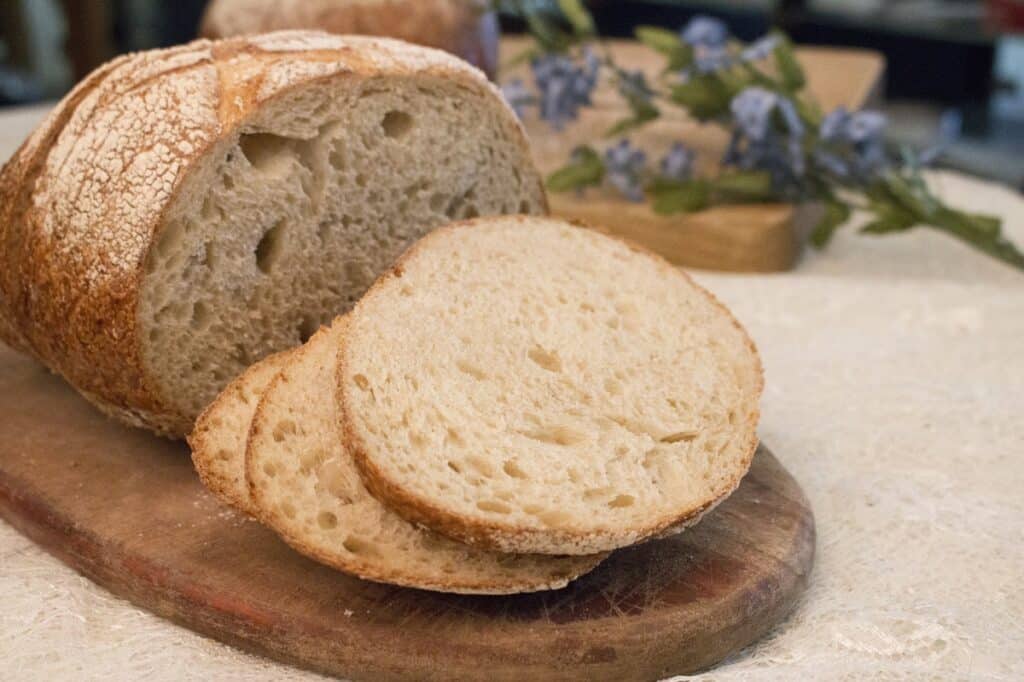
Consumers, he says, pay a lot more attention to ingredients now. “People want, as far as ingredients go, just simple quality breads, and they’re willing to pay for it.” Boonzaaijer says they started an artisan bread program about 10 years ago which is doing quite well. “We make sourdough and baguettes and ciabatta and leaven; They’re all artisan presentations based on very simple ingredients. I mean you have your starter with flour, water, and salt. And then it’s just how you manipulate, bench, and shape the product, but that approach makes a significant difference in the crust and the crumb of the bread.”

Memories and Classical Consistency
Some of Boonzaaijer’s cakes and other baked items are seasonal but it is about trust that the customers will come back in the regular parts of the year for their birthday cakes, danishes, and something as simple as a torte. “The holiday cakes that we make, it’s still based on the same base recipes as throughout the year. So, it’s not like they’re getting something that they can’t get normally.”
Boonzaaijer says their tea cookie sales probably go up five-fold during the holidays when they sprinkle them with sugar and put them in a box package. “But the same cookie comes in its, say, standard presentation during the rest of the year. So, they can come back in January and get the same flavor of the cookie. It just might look a little different.”
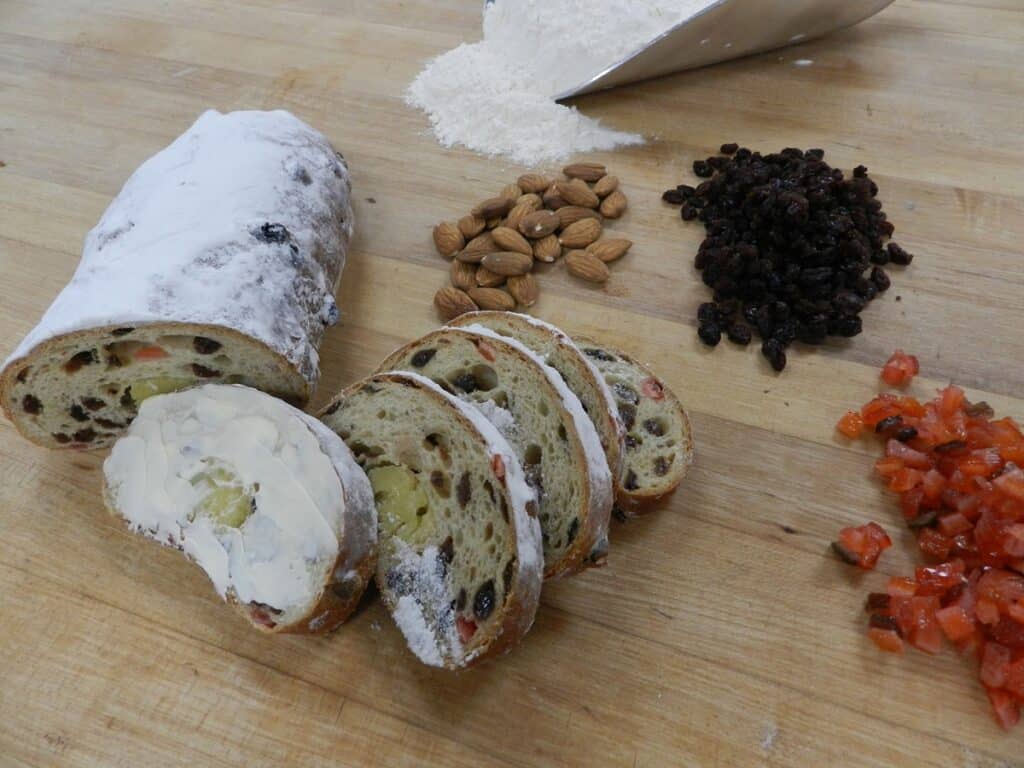
Same thing, he explains, for the tortes and even the yule logs. There are a few examples, he says, like stollen bread, which is only available in December and at Easter. “People seem to remember them though because, my word, we just can’t make enough.”
But with many of his items, it is about creating memories. “One of the upsides of being in business over the span of say, a generation is you’ll get the kids coming back. My theory has always been – make a good quality classical product and people will come back for it. I’ve never been on the bandwagon of, ‘Let’s make what’s latest and what’s trendy.’ If I’m going to introduce a product, I want it to be a product that’s going to be lasting and has a traditional character to it. I don’t follow the trends so much. I’m more interested in making a good quality presentation of what is traditional and then just keep making it.”