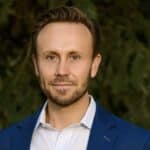


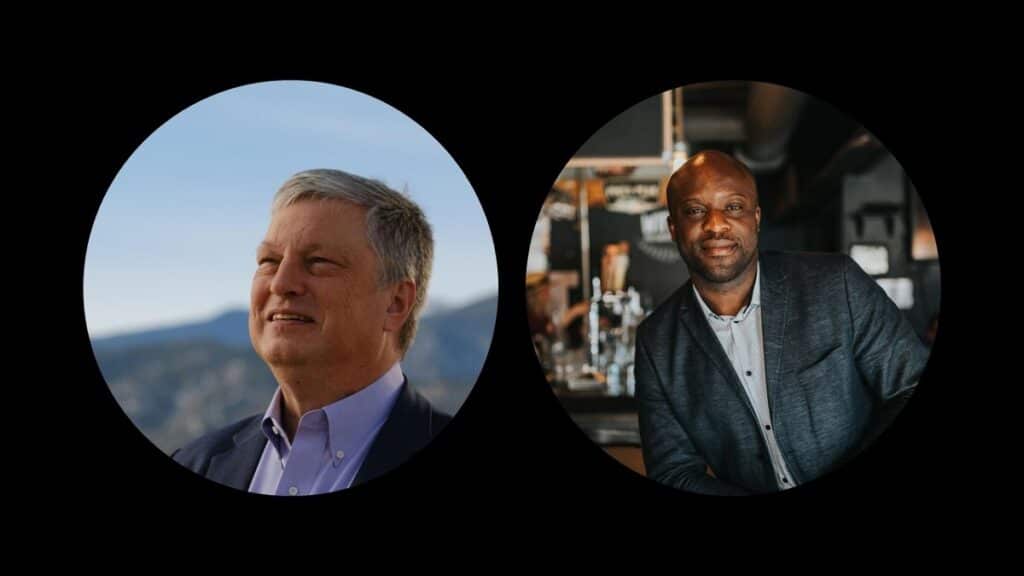
The Maverick Observer emailed Mayoral Survey questions to all the candidates vying for the mayor position in Colorado Springs. Now that we are in a runoff, we have highlighted the two individuals hoping to become our next mayor – Wayne Williams and Yemi Mobolade. We asked the questions in hopes of informing and educating our community.
Q1: What are the biggest issues facing the city? As Mayor, how will you address these issues?
Yemi Mobolade: I have attended more than 60 meet and greets and my campaign knocked on over 8,000 doors and the consistent questions that I am hearing include:
● Are my family and my neighborhood safe?
● Do we have the infrastructure to keep up with our rapid growth?
● Can I afford to live in this city?
Therefore, my top three priorities as mayor are:
- Safety – Protect our families and keep our neighborhoods safe, as well as prevent and end homelessness.
- Infrastructure – Bring housing within reach for all Colorado Springs residents and ensure Colorado Springs has the water resources for today and tomorrow.
- Economic Vitality – Build a business-friendly city and create a future-ready workforce. I am running for Mayor because Colorado Springs needs my leadership. The stakes are high, therefore a great type of leadership is needed. To solve our safety, infrastructure, and economic challenges, Colorado Springs needs a leader who can both navigate the difficult social, political, and cultural challenges of our times and bring the best leaders together to solve our city’s toughest problems. I am a triple-strength candidate with proven leadership in the private, public, and nonprofit sectors, and have a proven track record of assembling the best talents and leadership of our city. I have repeatedly unified our residents around a common purpose, and successfully elevated residents, small businesses, and entrepreneurs to economic security.
Wayne Williams:
- Public Safety. I am dedicated to providing Colorado Springs Police and Firefighters with the personnel, training, tools, and resources necessary to keep our neighborhoods, businesses, and schools safe. As a council members, we obtained voter approval to fund fire mitigation and adopted our city’s first fire evacuation ordinance. I will continue my work with state and local agencies to enhance wildfire preparedness and mitigation.
- Since joining the city council, we’ve added positions for 62 new police officers, and 66 firefighters and funded 3 new fire stations, moved to a continuous police academy, and established a public safety fee to make sure new development pays their fair share. As mayor, I will ensure our public safety needs are prioritized.
- Infrastructure (Roads, Water, Parks). Time spent in traffic gridlock is time lost with friends and family. It also has an adverse impact on our economy. That’s why I’ve championed road and infrastructure projects, including the widening of I-25 and the creation of the Pikes Peak RTA.
- As Chair of Colorado Springs Utilities, I helped create a developer-paid $5,800 per home water resource fee that goes into a separate fund to acquire new water rights. And we’ve reached agreements in the Arkansas Valley to upgrade farmers’ irrigation systems and buy the water we save – 3,000-acre feet acquired and entered a framework for 15,000-acre feet (enough for 100,000 users). For the first time, we’ve adopted specific protections for Colorado Springs residents, ensuring a buffer exists so that we have the necessary water for our future.
- During my four years on City Council, we’ve added over a thousand acres of parks and open space. And we added more than a thousand acres for El Paso County when I served as a County Commissioner. I helped refer the TOPS extension to the voters and I support its passage.
- Economic Vitality. I am committed to preserving a low tax burden for our residents while delivering economic growth to our city through business development and recruitment, as well as public/private partnerships and investments. I’m honored to be a past recipient of the Chamber’s Regional Leader of the Year Award and now serve on the Board of Directors for the Colorado Springs Chamber and Economic Development Corporation.
Q2: What is the number one challenge facing the next Mayor when it comes to the management of the city and working with the City Council?
Yemi Mobolade: The three primary responsibilities of your next Mayor pertain to Public Safety, Public Works, and Public Parks. But there is a fourth “public” focus which is the number one challenge facing the next Mayor, namely Public Leadership. Leadership matters, especially given that overall public trust in government has fallen to “near historic lows.” I see immense opportunity, through courageous, compassionate, integrous, accessible, and transparent leadership, to restore public trust in local government and City Council. Addressing the growth pains related to safety, water, and zoning, requires a leader with more than the right ideas, it requires the right leadership, experience, and a leader that is trustworthy. In addition to my seasoned experience bringing diverse communities together to solve tough problems, I live the same experiences as the residents I desire to serve; I am not a career politician. I will look at the issues with “fresh eyes” and facilitate civil and productive conversations that will move our community forward.
Wayne Williams: The city budget. Just like our families need to make important budget decisions to operate within their means, so does our city government. As mayor, I will work with City Council to continue to operate with a balanced budget and a healthy reserve that will allow us to withstand any future crisis. I will ensure that public safety and transportation infrastructure remain priorities in the next budget.
Q3: How large, population-wise, do you want Colorado Springs to be?
Yemi Mobolade: More than the size of our city, I am running for mayor to help ensure we are growing responsibly and intelligently. And as we grow, I will lead in a way to ensure we protect our beloved quality of life, while remaining true to the spirit and culture of Colorado Springs.
Wayne Williams: I do not support population quotas.
Q4: Colorado Springs is continuing to grow, but we are struggling with infrastructure to support the sprawl – how do you balance growth with needed infrastructure?
Yemi Mobolade: Growth is inevitable. The question is not whether Colorado Springs will grow; that has already been decided for us. The opportunity in front of us is to decide how Colorado Springs should grow. The concern is if Colorado Springs will grow irresponsibly given that our resources are not without limits. I have performed over 60 meet and greets with our local residents and the concern I hear consistently is if Colorado Springs has the infrastructure to keep up with our increasing growth. Our city is at a turning point in its history, particularly in regard to managing our recent growth, planning for the future, and providing the necessary infrastructure in terms of water, roads, public safety, and housing. As mayor, I will promote responsible growth, guided by intelligent and sustainable principles that strengthen our city infrastructure, so we can meet existing city demand and prepare for an expanding population. As we work to build communities and neighborhoods, I will lead in a socially responsible, environmentally sustainable, and economically prosperous way. And as we make decisions around mix-land use options, diverse housing opportunities, preserving our open spaces, and connecting our roadways, I will invite public participation and welcome diverse stakeholder input. More specifically, I will steward our growth through:
- Collaborative Leadership: I will leverage my leadership experience to invite new and different leaders to the table to help move our city forward.
- Public Participation: I will invite public participation in decisions that affect neighborhoods, and I will lead in a way that serves citizen interests.
- Experts: Elevate the input of our traffic engineers, water experts, and wildfire mitigation specialists to be in step with our much-needed development plans.
Wayne Williams: I have successfully championed road and water infrastructure projects, including the widening of I-25 and the Pikes Peak RTA and the establishment of new water and public safety fees for developers. Growth should pay its own way – new development must be accompanied by the necessary infrastructure to sustain it. As mayor, I will continue to fight to ensure we have adequate transportation systems, utilities, fire, and police stations, and that we provide the other services needed for a growing city. Our annexation policy should be based on what is best for the residents of Colorado Springs. This means that areas should be annexed only if we have sufficient excess capacity for utilities. With respect to water, I’ve worked to add additional water resources and helped lead the fight to replace the vague “foreseeable future” standard with a new ordinance guaranteeing a 128% buffer before allowing new annexations to occur. We also must ensure the cost of providing utilities, public safety, and other services in the area proposed.
Q5: How can the city hire the best and attract and retain good applicants, specifically in our Public Safety positions?
Yemi Mobolade: In order to attract and retain the best applicants for our public safety positions, I will bolster recruitment and year-round training academy efforts. I will also ensure we are closing the back door to prevent early retirement and improve retention. The weight of the badge is heavy. Like being a mayor, the work of our law enforcement officers is a noble undertaking and one of the highest callings. From my firsthand experience with ride-a-longs and my conversations with law enforcement officers, I see an opportunity to boost morale and reduce burnout. As mayor, I will invest resources to boost morale through:
- Recognition for exemplary performance
- Leadership development and additional training
- Support for a healthy work-life balance
Wayne Williams: Changes in the law and in public attitudes have made being a law enforcement officer less desirable. I’m proud to be an appointee of Governor Jared Polis on the Peace Officer Standards and Training Board where I and my colleagues have taken a number of steps to remedy these challenges, including improving training and removing an offender’s POST certification in appropriate circumstances. Maintaining public safety will be one of my top priorities as mayor. In my four years on City Council, we have provided funding for an additional 62 police officers. It is also anticipated that our city will need to add 200 more police officers by 2035 to keep up with our growth. Like most major cities, Colorado Springs has struggled to fill our available police positions, but we are making progress. We have moved to a continuous year-round police academy and are reducing the waiting time before a new class starts. As mayor, I will make sure that we’re competitive in the recruitment process, but we will always ensure our high standards are met. I will always ensure that our police, firefighters, and other first responders know how much we appreciate them and respect their service.
Q6: How do you intend to deal with the perception that the city leaders are not listening to its citizenry? The current public processes appear to be facades with outcomes already determined prior to citizen input.
Yemi Mobolade: I have learned firsthand from meeting with residents throughout the city that the predominant viewpoint is city leaders are not listening to the citizens of Colorado Springs. This sentiment also resonates with me and it’s why I am running for mayor. I believe our community is only as good as its government, and our government is only as good as those that serve in it. As mayor, I will ensure our neighborhoods finally have a seat at the table with decisions that impact our community. I am a leader that naturally welcomes input and listens to diverse perspectives, not just surrounding myself with like-minded individuals. And because I am not beholden to any special interest groups, I will lead in a way that welcomes public participation and serves citizen interest. I will be a mayor for ALL people.
Wayne Williams: I am a strong supporter of community collaboration and I’ve worked hard to ensure we deliver on the promises made. I’ve attended, participated in, and organized numerous opportunities for citizen input. We worked with community groups to renew the Pikes Peak Rural Transportation Authority (with 79.4% of the vote) and to pass measures funding public safety, parks, road maintenance, and fire mitigation. We also worked closely with neighborhood groups in adopting our new zoning code and rules for ADUs and short-term rentals. As a member of the City Council, I helped create the Law Enforcement Transparency Advisory Commission (LETAC) to bring diverse views together on police use of force and related issues. We successfully implemented LETAC’s recommendation for funding Alternate Response Teams. As mayor, I will continue to lead a city government that works with our residents, stakeholders, agencies, organizations, and businesses to accomplish a shared vision and goals.
Q7: Besides providing adequate housing, what is your strategy to deal with mental health/substance abuse issues that you think lead to the homelessness issue in our community?
Yemi Mobolade: As mayor, I will work to find the balance between caring for our residents experiencing homelessness with compassion while meeting the public safety needs of our residents. Homelessness is a complex issue caused by many different factors including mental illness, substance abuse, poverty, escape from domestic violence, and the lack of affordable housing. I am committed to supporting the Pikes Peak Continuum of Care, a consortium of local providers with expertise in specific areas of homelessness, to provide services and to advise the City on the issue. Following are some specific steps I will implement as mayor:
- Boost partnerships with local providers to increase services and access to shelter for homeless neighbors and families, especially with organizations focused on mental health care. “Research shows that 71 percent of people experiencing homelessness have a mental illness or post-traumatic stress.” Colorado Coalition for the Homeless.
- Employ additional homeless outreach team officers to address homeless camps. These officers are specially trained to compassionately serve our homeless neighbors by providing information and referrals for food, shelter, housing, and other services.
- Expand the Colorado Springs Fire Department’s innovative non-emergency services, such as the homeless outreach program and crisis response teams into the city’s general fund. These teams of behavioral health and crisis-trained specialists serve our homeless neighbors, respond to the frequent users of the 911 system, and help save thousands of dollars in emergency services, ensuring fire and police staff can respond to emergencies quickly.
- Increase permanent supportive housing options through local partnerships, including Homeward Pikes Peak, Springs Rescue Mission, The Place, and other local providers. Supportive housing combines housing with case management and supportive services and is an established solution to make homelessness nonrecurring.
Wayne Williams: Colorado Springs is one of the few large cities in America where the number of unhoused have been reduced. We must continue to ensure we have sufficient beds so that we may enforce our laws protecting access and banning camping in certain public spaces. We must compassionately address the root causes of homelessness by working with non-profit partners like Springs Rescue Mission, the Salvation Army, and Catholic Charities to provide education and treatment options for those experiencing drug addiction and/or mental illness. Likewise, I support public-private partnerships that provide job training and opportunities for our residents. For the health and safety of the public, we need to continue to enforce our city ordinances that prohibit individuals from blocking public rights-of-way and camping on, and potentially contaminating our public spaces and waterways. We also need to expand our Homeless Outreach Team and Community and Alternate Response Teams to meet the needs of our community.
Q8: Attainable or affordable housing is in the news – how do you define attainable/affordable housing and how would you get developers interested in building/developing this type of housing?
Yemi Mobolade: According to the Department of Housing and Urban Development, affordable housing is any housing that does not require an individual or family to pay more than 30% of their income. In 2019, 71% of homes in Colorado Springs were affordable, but today only 24% of homes are considered affordable. This new reality impacts the ability of the pillars of our community to afford housing, including teachers, firefighters, law enforcement officers, and the military. While the City of Colorado Springs is not a housing partner, as mayor I will support the development of diverse housing and the preservation of affordable housing in Colorado Springs. More specifically, I will:
- Facilitate increasing the supply of affordable housing through new construction, acquisition and rehabilitation, and preservation of the existing affordable housing stock.
- Increase long-term funding and incentives to bring down the cost of housing development and increase the housing supply.
- Expand existing municipal financial (tax rebate) incentives for affordable housing projects.
- Work with philanthropic foundations to establish a “missing-middle housing fund” to support housing innovation for residents that make $50K-$100K a year.
- Appoint a Chief Housing Officer (without adding a new position) who will develop public-private partnership opportunities and advance our city’s housing priorities, including expediting attainable and affordable housing projects.
Wayne Williams: Attainable housing is housing that people earning around the median income can afford, and affordability generally means 30% of a household’s income. As Chairman of the Colorado Springs Utilities Board, I worked to establish a fund to cover utility connection fees for affordable and attainable housing to help encourage construction by non-profits and other community partners. On City Council, I worked with others to establish a program to rebate city sales tax for affordable and attainable housing. As mayor, I will continue to work with community partners to incentivize a mix of both market-rate and affordable units. Homeownership is a key to personal wealth creation. As mayor, I will work with the legislature to improve Colorado laws so that we support the building of entry-level homes.
Q9: Do you support Special Taxing Districts, why, and what do you think are the pros and cons of this type of quasi-government in our community?
Yemi Mobolade: Because of the city’s relatively small budget and revenue limitations around the Taxpayer Bill of Rights (TABOR), special taxing districts have become the primary solution for the financing of public improvements and ongoing maintenance. These taxes serve to reimburse the developer for the public improvements they are required to provide. Many residential properties in Colorado Springs, especially in newer development areas of the city, are under the governance of metropolitan districts, just as commercial properties located in commercial centers are under the governance of Business Improvement Districts (BID). My business is subject to the Greater Downtown Colorado Springs Business Improvement District (BID) which helps ensure the safety and cleanliness of the Downtown area and supports the economic vitality of the city center. The benefits of these quasi-government entities are that they help fill the public infrastructure gaps that exist in the services the City provides and the services residents and business owners need. Because of their local control over the services, these entities are better able to respond to local neighborhood concerns. Despite filling the gaps in services, an added layer of government and city services can distract from a city-wide cohesiveness of a local services program. Furthermore, special taxing districts are sometimes known for corruption since there are no regulations to stop developer-controlled boards from approving agreements that are financially advantageous to their business, but often leave the homeowners with hefty property tax bills. Simply put, the power of taxation is granted to the developers. Nevertheless, the benefits of creating a district often outweigh such potential drawbacks as special taxing districts are a necessary tool to create infrastructure and bring housing within reach of Colorado Springs residents. As mayor, I will work to improve laws and establish better city oversights to prevent corruption in these Special Taxing Districts.
Wayne Williams: Growth should pay its own way, which means requiring developers to pay to construct public improvements such as roads and utility lines. Metro districts reduce the purchase price of new homes by financing infrastructure improvements. Homebuyers can then choose whether to buy within a special district or to pay more for a home. I worked actively on our city’s working group to revise our special district policies to provide enhanced transparency and certainty so that homebuyers can make an informed choice between these options. I oppose other alternatives, however. I don’t think that existing residents should have to pay for the cost of public improvements in new neighborhoods. And I don’t favor lowering standards and permitting dirt roads in new developments in the city – buyers desiring that option should buy in unincorporated areas.
Q10: How are you funding your campaign? If you get more than 65% of your campaign contributions from one industry, its employees, or families, how do you remain impartial and supportive of all citizens in Colorado Springs?
Yemi Mobolade: I am running to be a mayor for ALL people and my finances show it. Financial transparency is critical in building trust between city government and the citizens of Colorado Springs. I’m already demonstrating my commitment to this transparency by making records of financial contributions to my campaign – and those of all candidates – much more easily accessible to the public (www.yemiformayor.com/financial-transparency). The numbers show a clear distinction between my campaign and my opponents. One of the most compelling stats from our fundraising is the number of individual donations. At the time of publishing the database, our campaign has 858 individual donations. For comparison, the other 11 candidates combined have only 576. Our donations have come from every city council district, zip code, and neighborhood in our great city. In contrast, many of my opponent’s donations have come from one or a handful of “special interest groups.” My campaign is debt-free and completely crowdfunded. For too long, the influential few have tried to buy our city. It’s time we gave the people their voices back.
Wayne Williams: I’m honored to have the support of many individuals and organizations focused on the economic well-being of our community and who support my platform of prioritizing public safety, roads, and infrastructure, and the economic vitality of our community, including the Colorado Springs Professional Firefighters, The Gazette, Mayor John Suthers, former Mayor Lionel Rivera, Sheriff Joe Roybal, the civic organization Colorado Springs Forward, and the Housing and Building Association. I’m also honored to have the support of friends and family and a number of former employees, as well as elected officials on both sides of the aisle. As an elected official, I make decisions based on what I believe is in the best interests of our community – not any particular supporter. In a number of instances (imposition of new fees on developers, requiring sufficient water for annexations, and opposition to collective bargaining) this has put me at odds with some of those who support my candidacy for mayor.