

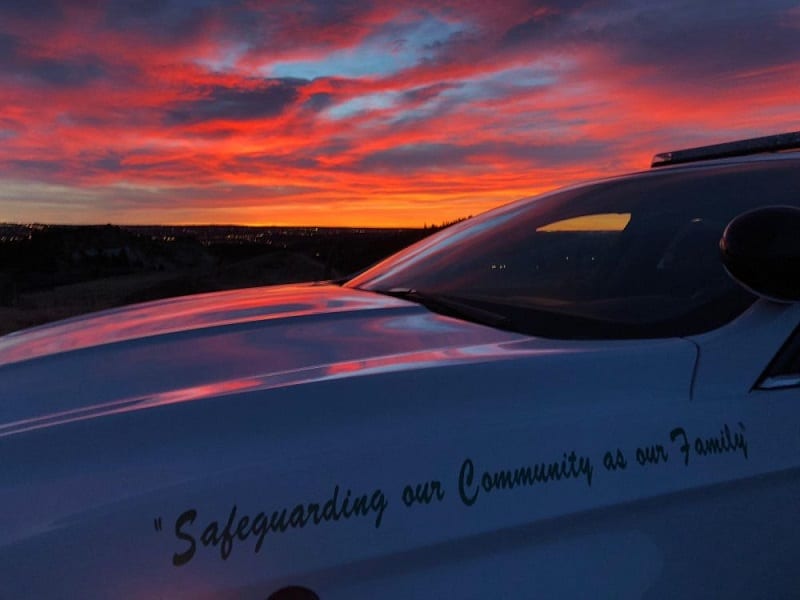
After having more than a dozen meetings, the Colorado Springs Law Enforcement Transparency and Accountability Commission (LETAC) has yet to get to the point where they make official recommendations to the city council. However, LETAC members have addressed a few key issues and they have held three town hall or “listening sessions,” where the community provided input.
LETAC’s bi-monthly meetings have been structured so that during one meeting a topic is discussed by representatives from the Colorado Springs Police Department (CSPD). Directly after the presentation, the group opens the floor up to public comment or questions about what CSPD said. If the CSPD representatives cannot answer the questions they release the answers later.
During the next meeting, LETAC members have a chance to review and comment on the presentation from the previous meeting. So far, the commission has covered communication, racial bias, and crisis response. The commission will discuss the use of force in April.
LETAC Members Progress Report
On March 24, the commission released a progress report that reiterated the commission’s purpose and listed the topics that have discussed. The report stated that the commission is in its “listening and learning phase” and they continue to gather information about the four topics.
“At the conclusion of our Listening and Learning phase, LETAC anticipates setting an agenda that may include making specific recommendations to City Council, especially regarding budget and resource allocation for public safety and policing,” the progress report said.
After over a dozen meetings, many of the commissioners (despite having diverse backgrounds) expressed the same sentiment that it was frustrating that things were moving so slowly. Several members agree that the pandemic has slowed them down since the group has only been able to meet virtually and they haven’t been able to connect with citizens in public venues.
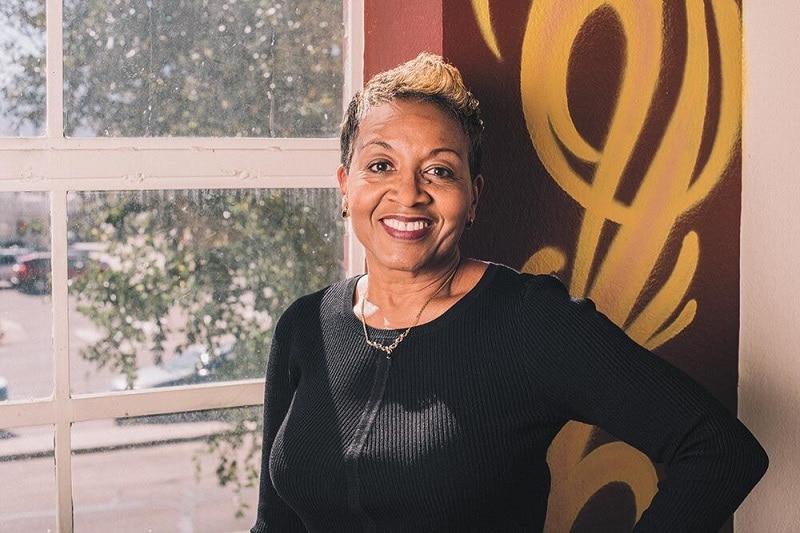
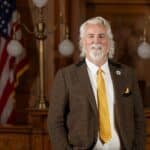
Commission Chair Janice “JJ” Frazier
Frazier has been involved in public education for over 40 years. She has worked for Colorado Springs District 11 for over 25 years and she currently serves as the district’s human resources equity specialist. She applied for the commission after recent events involving the death of African Americans and wants to help ensure the safety of the younger generation of minorities within the city.
She said that she thinks transparency between the police department and the community can be improved.
“Even though we have already met regarding communications, we are finding that the demographic in our city that has the most concerns or reports of negative incidents with CSPD, they are not receiving the information about our meetings or the town halls we have held,” Frazier said. “So we are still working on communications. I’m not completely satisfied with the way things have progressed so far in that we are not hearing from our community.”
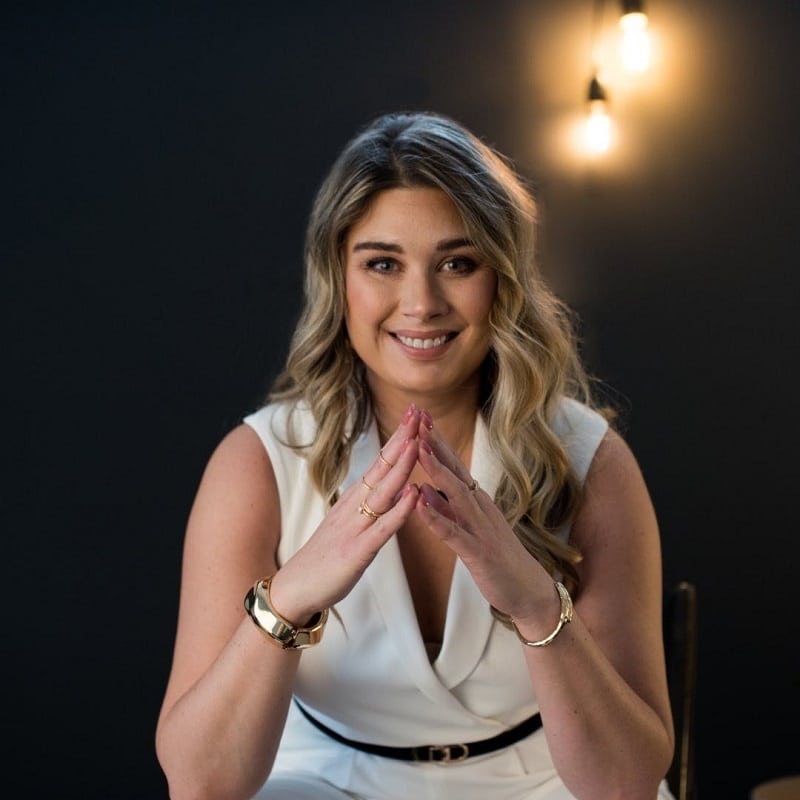
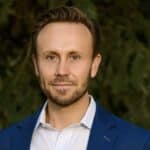
Commission Member Rachael Flick
Flick is a trauma therapist and licensed counselor who lost her husband CSPD Officer Micah Flick in the line of duty in February 2018. She applied for the commission to add her experience of being in a law enforcement family and to be a part of a transparent and open discussion from both sides.
Flick said that they have struggled building the commission from scratch due mostly to meeting constraints and the rule that no more than two members can meet in person.
“It has been very slow going with not being able to talk to each other outside of those two-hour meetings twice a month,” Flick said. “And so, I know we would all like to see more progress more quickly, but we are sort of building the ship on the water right now. And so that is pretty arduous honestly. And, obviously it is a crisis flashpoint in our country so it is very emotional and meaningful to people. So, we want to do it well. I think that our city council did an awesome job of choosing people who are committed to the issues from all perspectives, but who are really committed to teamwork.”
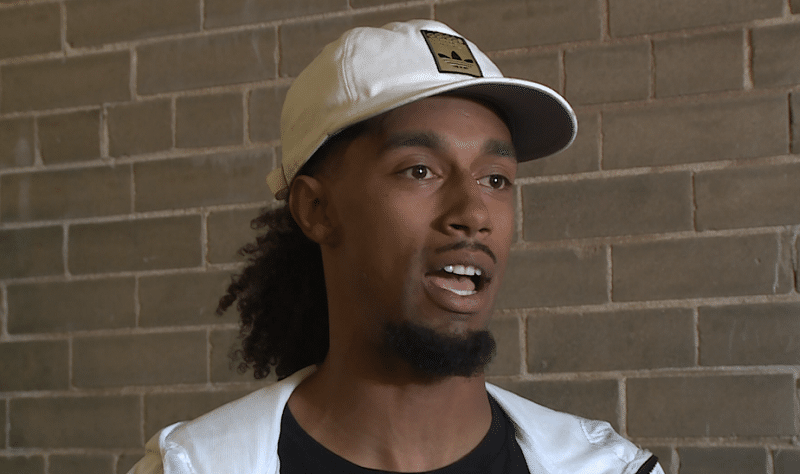
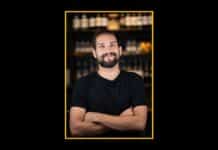
Commission Member Justin Baker
Baker works as a lumberjack and is a founder of the People 719 non-profit activism group that led the protest over the summer after George Floyd’s death. He was then part of the group that wrote the ordinance that formed LETAC. He applied to the commission because he wanted to do more than just protest, he wanted to improve the problem.
Baker is content with how things have been going, but he also cited only being able to meet for two hours twice a month as a major reason the process has gone slower than some may have expected.
“I think it is going well,” Baker said. “It has been a slow process starting, but we kind of all expected that. I know a lot of the people in the community probably didn’t expect that, they expected us to just jump straight into tackling issues. But, we had to create by-laws, and choose a chair and vice-chair and stuff like that. Only being able to meet twice a month for two hours has put a damper on being able to expedite the process.”

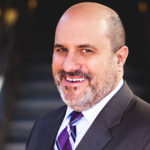
Commission Member Debra Walker
Walker is the former executive director of the Citizens Project and is involved in other organizations including CSPD’s Community Leaders Steering Committee and the Center for Religious Diversity and Public Life at UCCS.
She applied for the committee because she had been involved with promoting transparency and accountability within the CSPD as a part of the “Austin Group” that attended an academic symposium put on by the National Association for Civilian Oversight of Law Enforcement held in Austin, Texas. However, she said that she hoped the structure of the committee would have been different than it is.
Walker said that forming the committee has moved slowly due to the vast amount of research involved in the process. “I think that it is a fair and reasonable expectation that there will be a period of learning and research,” Walker said. “Not only around what CSPD’s policies, practices, and problems are, but also to better understand what national best practice is and what we can learn from other departments that are doing an excellent job at transparency and accountability. So, I understand that it can feel frustrating that we haven’t made any official recommendations, but there is a lot of work to be done. It has been a real challenge to create group cohesion in a virtual environment with COVID. And realistically it is going to take time to be genuinely informed about the problems that the community perceives is existing.”