

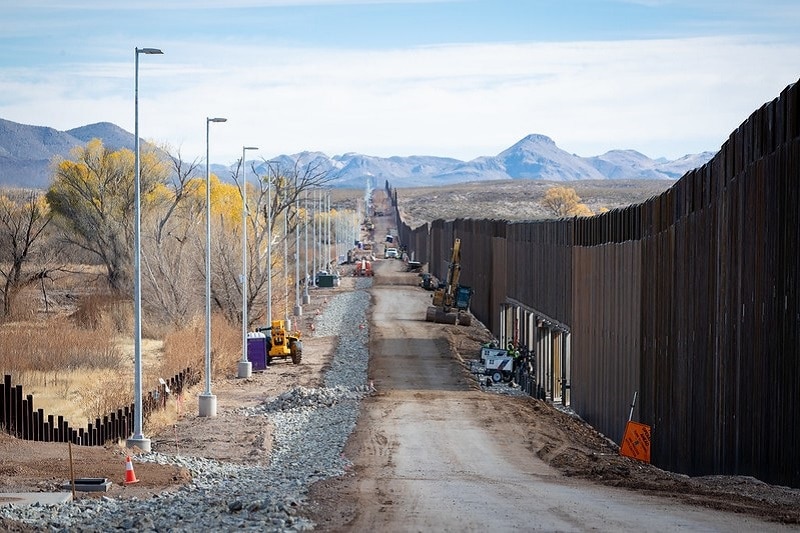
Whenever people argue against building a wall and for an open U.S. border, they usually appeal to humanity by talking about the conditions from which immigrants are fleeing gang violence, corrupt governments, and a lack of jobs.
However, when someone uses the above argument, he or she fails to realize that our porous U.S. border is not only hurting the country and Colorado, but also Latin Americans. Here is how.
Drugs, drugs, and more drugs
The United States has a drug problem – it is number one when it comes to the percentage of people with a substance use problem, according to the World Health Organization – and our penetrable southern border is fueling it.
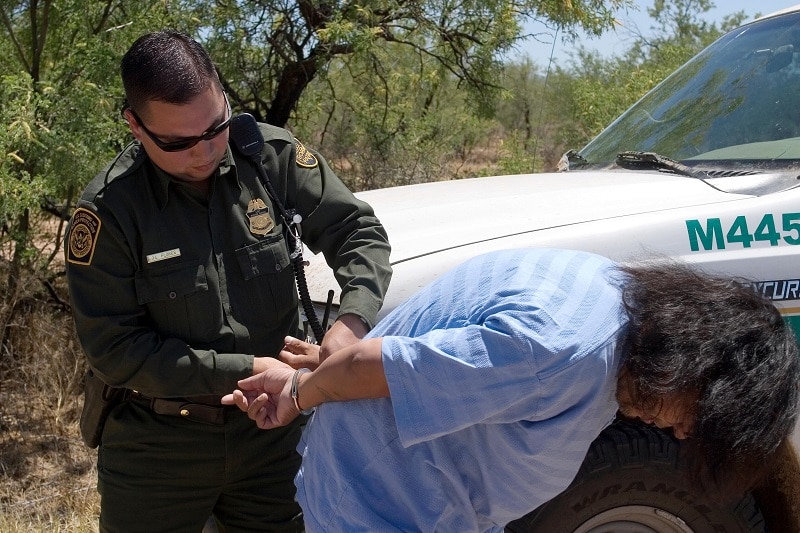
In April 2021, U.S Customs and Border Protection made 178,622 apprehensions at the U.S.-Mexico border. That’s an increase of approximately 3 percent from March 2021 and means that border apprehensions remain at 20-year highs. More importantly, Border Patrol said during the first six fiscal months of 2021 it detained twice the number of criminals than it did for all of 2020. Among those seized, 982 were drug trafficking in some way.
Mexican transnational criminal organizations (TCOs) fuel drug trafficking. The DEA’s 2020 National Drug Threat Assessment states, “Mexican transnational criminal organizations continue to supply most of the cocaine, methamphetamine, heroin, and fentanyl smuggled into the country, while violent street gangs dominate the retail sale and distribution of these illicit drugs at the local level.”
Further, the DEA says that most of these drugs are smuggled overland across the southwest border, and the amount is increasing. Between 2019 and 2020, the amount of fentanyl seized by Mexican authorities nearly quintupled. This is having a marked impact on Colorado. Colorado Public Radio reports that Fentanyl overdoses in Colorado are rising faster than the national average — in 2020, 534 people died from Fentanyl overdoses. In El Paso County, alone, Fentanyl overdoses increased from five in 2017, to 47 overdoses in 2020.
There are many problems with the above, and one big one is that drug trafficking is exceptionally lucrative. While there is no official number as drug lords aren’t known to file taxes, estimates put the profits anywhere from $30-$500 billion a year. To put that number into perspective, Amazon made $386 billion in 2020.
Moreover, drug cartels use these profits for anything from bribery, procurement, and embezzlement to essentially taking over the government. As AP News states, “In many regions, cartels enriched by drug profits have held extensive control for at least a decade, buying off or cowing law enforcement and building huge arsenals, along with networks of informants to protect narcotics routes from the government or rivals.”

Government corruption
According to Congressional Research Service’s 2020 report “Mexico: Organized Crime and Drug Trafficking Organizations,” 20 former state Mexican governors were under investigation or in jail in 2018 – many for drug trafficking, money laundering and accepting bribes. And these are not the only examples of corruption:
- In Mexico’s 2017-2018-election period, crime bosses killed 114 politicians and candidates specifically to intimidate public officials.
- The Institute for Economics and Peace estimated that 80 percent of Mexico’s municipalities were under drug cartel control between 2005 and 2012.
- Transparency International reports that Mexico ranks 138 out of 180 countries on the 2018 Corruption Perceptions Index.
- 2019’s Global Corruption Barometer for Latin America and the Caribbean found 44 percent of respondents believed corruption was on the rise.
- Mexicans have reported that corruption is their number one concern, according to Pew Research.
And Mexico is not the only country struggling with corruption. On May 4, 2021, a copy of a report given to the U.S. Congress was declassified, and in it, the U.S. State Department had a list of politicians accused of having ties to drug trafficking organizations or being corrupt. This included five senior officials of Salvadoran President Nayib Bukele and 12 Guatemalan and Honduran politicians.

Reason to flee to the U.S. Borders
In South America and Mexico, drug cartels don’t operate in the shadows because they don’t have to. According to Transparency International, impunity rates are as high as 96 to 98 percent, and gangs use bribery to influence judges. This allows gangs like the Jalisco New Generation to move in and wage a public and violent campaign of control, according to Transparency International.
In 2019 in Apatzingan, Michoacán, Jalisco hung a banner from an overpass that read, “Beautiful people, continue your routine.” Beneath the banner, 19 corpses hung from ropes and hacked up body parts were piled on the roadway, ABC News reported.
This boldness is not unique to Jalisco. Numerous gangs fight for control with little concern about being prosecuted. This, in turn, is having a direct impact on the local populace.
According to Transparency International’s Transparencia Mexicana, Mexican households spend 14 to 33 percent of their income on bribes. For example, if you or a loved one is injured, you’ll have to pay a bribe for medical care, or if you want “protection,” you’ll have to bribe the local gang.
Further, thanks to rampant corruption, The U4 Anti-Corruption Resource Centre found that if a business intends to open, it’ll have to bribe local officials and the gangs in the area it wants to operate. This leads to overpricing in private and public sectors and the loss of jobs when a business decides not to open because it does not want to pay a bribe.
Indeed, Border Report found that gangs and crime have overtaken the social structure, resulting in a weak economy and increased migration, “Migrants have told Border Report [gangs, crime, and a weak economy] are many of the reasons they are heading north … which is fueling a surge at the border.”
Safe to stay
As I recently wrote, President Biden is failing the American people, and those in Colorado in particular, by failing to continue President Trump’s pledge to secure the southern border. He is also failing Latin Americans.
Drugs are pouring over the southern border, and drug cartels are getting richer and more powerful by the day. This harms the local economy and society, forcing many people to flee.
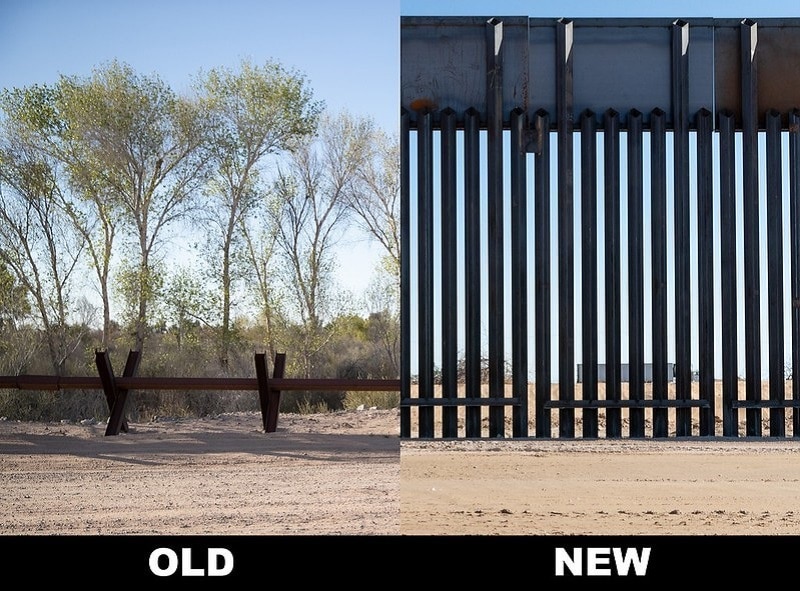
Furthermore, the only way to reduce cartel influence is to decrease their profits. And to do this, we need a fully secured southern border. This would reduce drug trafficking success and make it safer for people living in Mexico and South America.