



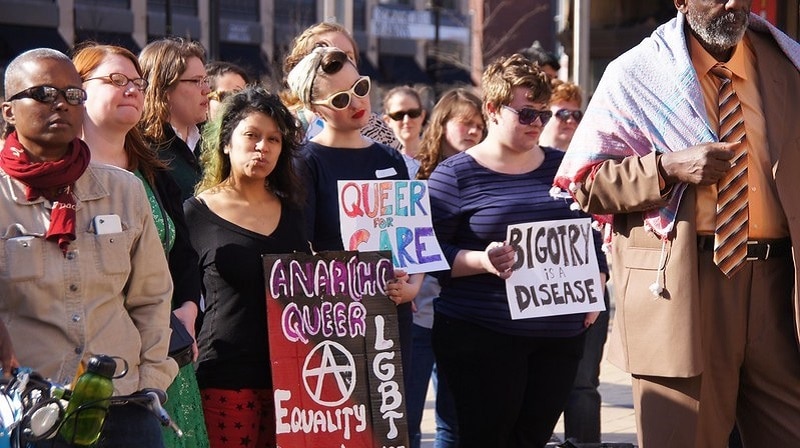
On May 20, House Bill 21-1108, “Gender Identity Expression Anti-discrimination,” also known as the Equality Act, was signed into law. When it goes into effect on Aug. 18, 2021, Colorado will join more than 20 states protecting “gender expression” and “gender identity.” Sounds innocuous, right?
Supporters of the bill say adding this language simply updates the Colorado Anti-Discrimination Act. However, others argue that the new law goes too far and codifies discrimination for anyone with a different view of human sexuality. And indeed, these critics are right. Here is why.

A Closer Look
Before the passage of HB 1108, businesses and religious organizations in Colorado could make their own choices regarding safety and privacy. For example, Target allowed people to choose which bathroom and changing room to use based on their preferred gender, while Catholic schools implemented policy based on their religious convictions — for example, enforcing locker room choice based on biological sex.
However, HB 1108 narrows religious exceptions to the point where only owners and operators of religious organizations and any private club closed to the public are exempt.
This means churches, mosques, synagogues, and other places of worship are exempt, but hospitals, adoption facilities, schools, cemeteries, and other places that religious organizations run are NOT and must comply with HB 1108’s mandates.
In practice, this means places like St. Francis Medical Center, a hospital run by the Catholic church, must treat transmen and transwomen the same as biological men and women and change their policies to reflect this. Further, if a Catholic doctor offers services like pap smears, breast exams, etc., to biological women, he or she must also provide these same services to transwomen. If the doctor chooses not to perform these services for transwomen, even based on religious conviction, he or she can be sued and fined. This is because HB 1108 narrows religious exemptions to where private individuals have no protections to practice their convictions in a public arena.
Indeed, during the passage of HB 1108, several Republican lawmakers noted this narrowing of religious practice and proposed amendments to address it. Specifically, they suggested adding language stating that freedom of religion extends to places beyond worship, like places of employment, and to health care providers with religious beliefs, but these amendments were defeated, according to Law Week Colorado.
Additionally, if a church, mosque, synagogue, or other place of worship can be rented out for non-religious purposes, then they, too, must comply with HB 1108.
Yes, the Language Changes, too
Before the passage of HB 1108, Colorado Statute 24-34-402, better known as the Colorado Anti-Discrimination Act, protected people from discrimination based on “disability, race, creed, color, sex, sexual orientation, religion, age, national origin, or ancestry.” As such, HB 1108 amends and adds to already existing protections.
Specifically, HB 1108 amends sexual orientation from “orientation toward heterosexuality, homosexuality, bisexuality, or transgender status or another individual’s perception thereof,” to “identity, or another individual’s perception thereof, in relation to the gender or genders to which the individual is sexually or emotionally attracted and the behavior or social affiliation that may result from the attraction.”
Simply put, sexual orientation changed from essentially sexual attraction to how people identify themselves and how they behave regarding this identity. It also adds the terms “Gender Expression” and “Gender Identity” as protected categories.
In practice, these language changes will force employers and other institutions to update their already established anti-discrimination policies. This includes adding anti-discrimination language — for example, changing language that says “he” or “her” to something more gender-neutral, such as “they” — as well as ensuring their policies reflect accommodations for one’s chosen gender.
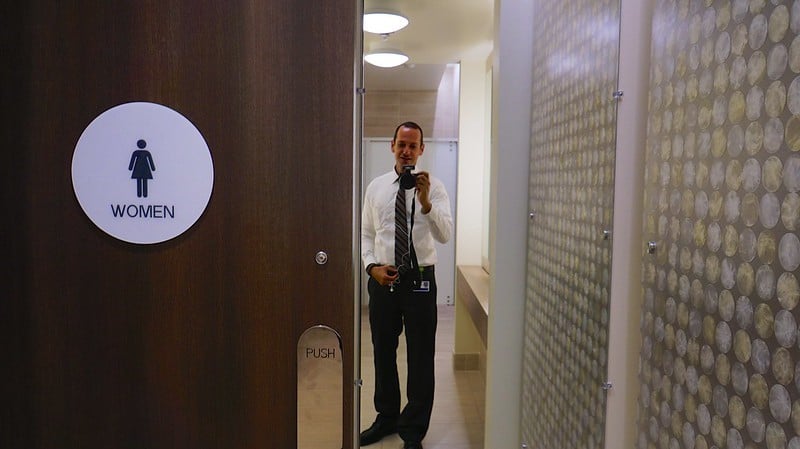
It also means biological sex is no longer critical for accommodations and benefits: Transgender women must be treated the same as biological women, and transgender men must be treated the same as biological men. In practical terms, this means transwomen can play on women’s sporting teams, use the same locker rooms and restrooms, and receive the same health benefits and treatments as biological females. The same is true for transmen.
Religious Discrimination
As stated on the Northern Colorado for Life website, “Everyone deserves to be treated with respect and dignity. Instead of respecting differences in beliefs about marriage and sexuality, the Equality Act will codify discrimination against anyone with a different belief about human sexuality and forces them to conform to government-mandated beliefs about sexual orientation and gender identity under threat of criminal and financial penalties.”
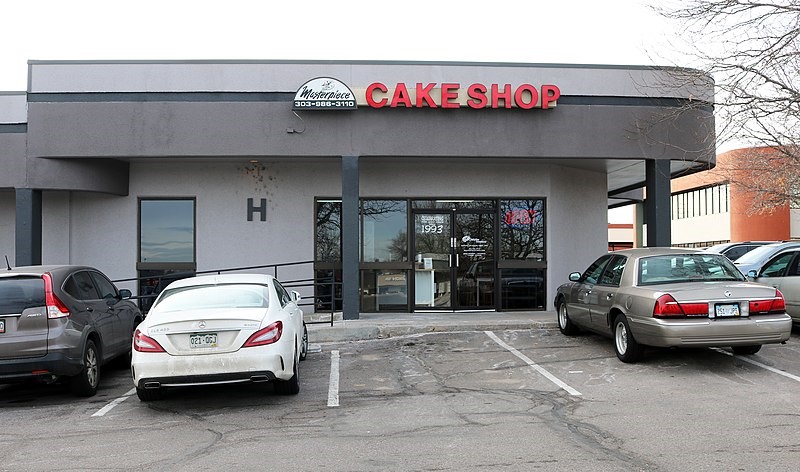
HB 1108 does indeed update the language in the Colorado Anti-Discrimination Act. It also unjustly tramples on religious freedom, and the rights of biological women. This can easily be seen in the case of Chelsea Mitchell, the fastest runner in Connecticut, who was bumped from her top spot by trans athletes, and in the case of Masterpiece Cakeshop owner Jack Phillips, who was recently ordered to pay a $500 fine for refusing to bake a transgender cake.
If the names Jack Phillips and Masterpiece Cakeshop sound familiar, it’s because this isn’t the first time he has been sued by LGBTQ+ activists. The first time his case made it all the way to the Supreme Court, which resulted in the Supreme Court rebuking the Colorado Civil Rights Commission for “hostility” toward Jack’s sincere religious beliefs.
Unfortunately, HB 1108 gives that same “religiously hostile” Colorado Civil Rights Commission more power by allowing them to enforce government-mandated beliefs through discrimination lawsuits. Ironically, this also legalizes and incentivizes religious discrimination. This is something that should concern everyone, regardless of your political leanings.







[…] Bill 21-1108, “Gender Identity Expression Anti-discrimination,” into law. This bill enforces government-mandated beliefs about sexual orientation and gender identity under threat of criminal and financial penalties and […]