

Arts and crafts culture adjusts in the face of market disaster.
Closing Art Studios during COVID-19
“I can’t make anything right now,” says Allie Rodriguez.
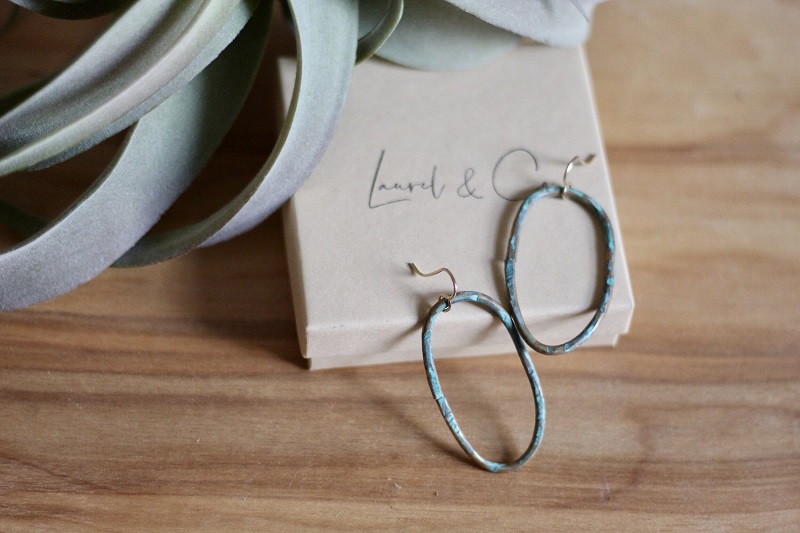
Rodriguez, a Denver-based jeweler who sells her work around the state, uses a shared-space studio to make jewelry. Coronavirus concerns forced it to close.
On March 26, Colorado governor Jared Polis issued the statewide stay-at-home order, and public spaces, craft fairs, galleries, theaters, and shops closed completely. For artists who rely on sales of their work, this happened during a particularly crucial time. Summer is the season many artists look forward to with children liberated from school and the onslaught of tourists to the state.
“Just as we were getting to that point, everything was snatched away,” says Liese Chavez. Chavez and her husband Kris own and operate Chavez Gallery in Old Colorado City. The gallery closed just at the beginning of the window for 2020 sales.
Impact on Arts and Crafts Fairs and Attendance
Rodriguez was to attend Renegade Craft fair in Los Angeles, one of her largest shows of the season. She anticipated that it would pay her expenses for the next month or two.
UCCS’s Galleries of Contemporary Art were fortunate, says Daisy McGowan, the Galleries’ Director. “Seat of Learning,” the current exhibition at the college, had just opened, and the university was able to pivot to a virtual version.
GOCA is funded about one year in advance, which means that for the immediate future, the COVID crisis poses little financial danger for the program. McGowan is mostly concerned about arts in Colorado Springs—she and her colleagues are spearheading efforts to support local artists.
As curator for the galleries, McGowan visits up to 200 artists a year. She is now recording those visits and offering them virtually. “It’s low tech Zoom recording. Really the idea was to bring some funding to artists for work that is meaningful and find a successful way to share…the work that I do,” says McGowan.
Virtual Events
Virtual events constitute most artists’ efforts to fill the gap. “At first, our region experienced a cascade of both cancellations and postponements,” says Angela Seals, Deputy Director of the Cultural Office of the Pikes Peak Region. Peak Radar, a well-known web resource for public events in Colorado Springs quickly built PeakRadar.com/Virtual.
At first, Seals and her colleagues populated the list themselves with events they found on social media and through their own connections. “When it launched,” she says, “we had about seven organizations represented.” Now, that number has increased to around 40 per day.
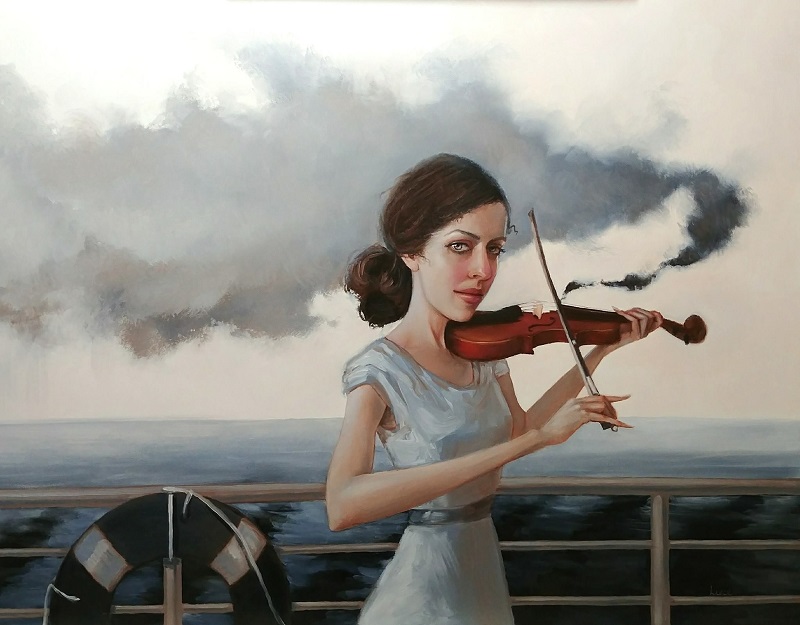
Galleries like award-winning Chavez Gallery usually participate in First Fridays, a monthly event in downtown Colorado Springs and Old Colorado City. On the first Friday of every month, Springs residents are invited to visit the city’s art scene in an event that features live music, special shows, and new art.
Arts and Crafts Virtual First Friday
Coordinators and sponsors of the event turned April 3 into the Springs’ first “Virtual First Friday.” The Bee Vradenburg Foundation offered a match for art purchases over $50, and according to Seals, “From 5-8 p.m. that night, 15 galleries participated with special social media content and online sales. In three hours, over $19,000 worth of art was sold in over 140 transactions.”
“Our supporters have all been there almost like they were family,” Chavez says. Nevertheless, she admits that even with generous support, “I don’t know how long we can keep this up.”
For Chavez, the coronavirus will pose a challenge even after the stay-at-home order expires. She considers herself at high risk for complications from the virus, so when the gallery reopens, “[we’ll] have to keep people wearing masks…until there’s a vaccine.”
“Virtual art experiences cannot replace in-person, sensory, real art experiences,” says Seals, though she says the skills the arts sector is developing will last long after the crisis has passed. She predicts, “Selling art and tickets online more easily will be a major, long-term gain for the sector.”
Says McGowan, “Art will not go away, but for many artists it’s forcing an evaluation of their priorities.” She predicts a renewed appreciation “for the ability to gather together and share experiences.”
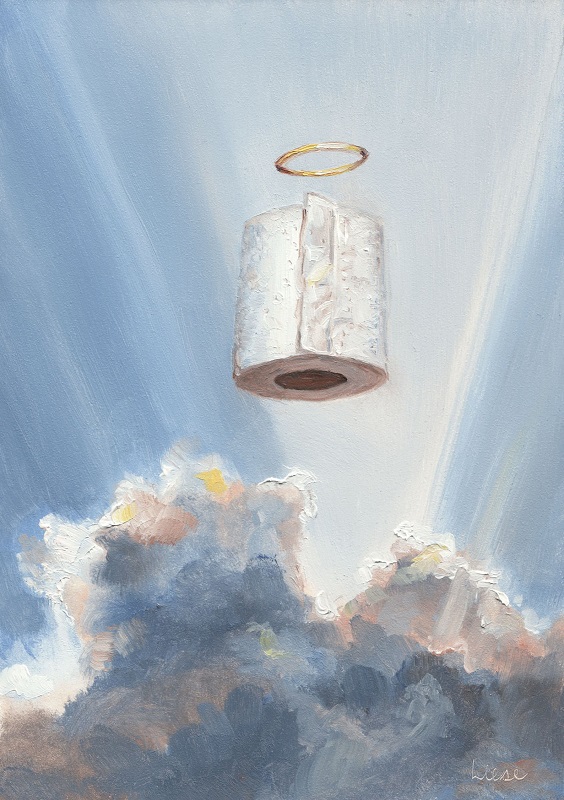
Chavez says, “This is the only time I’ve ever painted something you would call ‘timely’.” The painting? A 5-by-7 named “The Holy Grail,” depicting heavenly light around a roll of toilet paper.
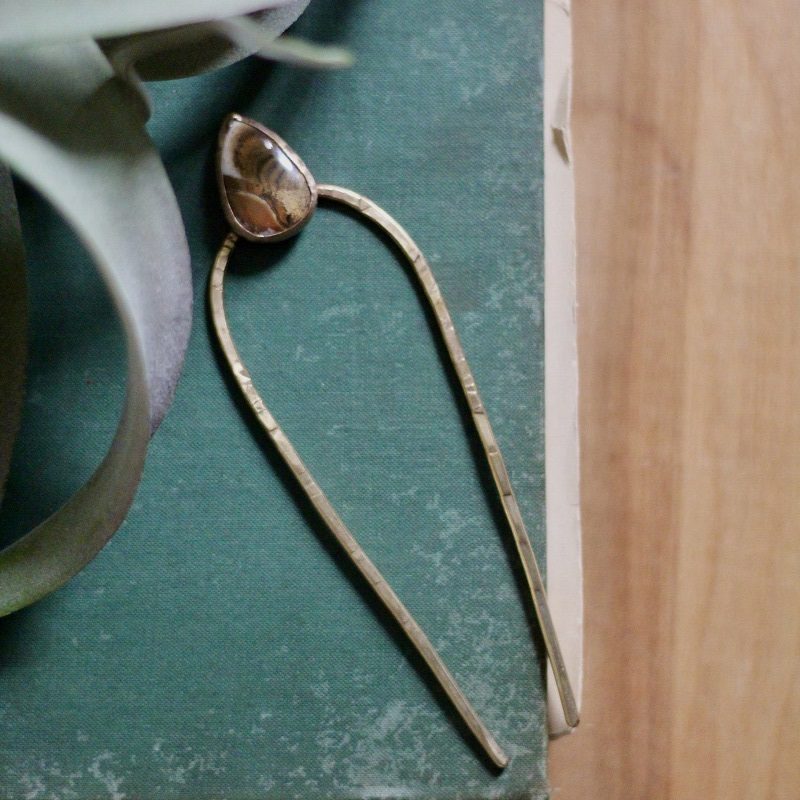
Rodriguez invested in her own tools for making jewelry. She’s looking forward to using the tools to work out of her apartment.
And, adds Chavez, “We as artists and small-business people are uniquely qualified to work things out…I’ve got faith in you, because we’ve always struggled, haven’t we?”