

Keeping the music alive in a world of social distancing and COVID-19.
“We’ve already cancelled 30 shows,” says Connor O’Neal, singer for Colorado Springs band the Tejon Street Corner Thieves.

The Fate of Music during COVID-19
Since mid-March, local governments have responded to the COVID-19 crisis by closing non-essential businesses and forbidding gatherings, and for artists and venues alike, the impacts approach fiasco proportions.
“Imagine,” urges John Hooton, co-owner of Stargazers Theatre in Colorado Springs, “deposits have been made, tickets sold, plane tickets purchased…there’s Facebook ads, listings in newspapers…[they all] have to be changed or pulled.” That’s just a fraction of the planning that goes into a tour, and now it all must be changed. For every artist.

Folk-pop singer songwriter Edie Carey, who lives in Colorado Springs, was to play in Arizona and the Pacific Northwest. Those tours are cancelled, but the biggest disappointment yet remains: In May, she and three friends were going to reunite an old show, “Live from New York.”
Even if restrictions are lifted in time, Carey speculates, “No one is going to want to gather in New York City.”
Rebooking Cancelled Shows in 2021
Many artists will be forced to reschedule concerts for next year. When tours started cancelling, Carey explains, artists rushed to reserve fall dates. But popular venues are booked as much as a year in advance—for many, 2020 is already full, which means artists are forced to reschedule cancelled tours for Spring 2021.
That’s less of a problem for bands that tour year-round. But artists who go on one or two long tours per year face losing as much as half of their 2020 performance revenue, “It’s an unbelievable situation,” says Hooton.

In March and April alone, Stargazers cancelled or postponed 24 concerts. And along with all the performance venues in Colorado, Hooton says the theater won’t be able to open for at least two and a half months. When Colorado Governor Polis issued the March 16 order closing theaters, Hooton’s staff’s jobs “just disappeared, poof.”
Like many other small business owners, Hooton applied for a Paycheck Protection Program loan from the government’s Small Business Administration to pay his workers in the coming weeks. “We were first in line,” he says, but the system’s website crashed multiple times in its first days of operation, entangling loan applications.
With all the money in the world, though, Stargazers cannot pay its employees for labor: no one can legally work at a nonessential business, so his employees can’t log hours. “We’re in a Catch-22,” Hooton says.

But as performers and venues find themselves facing empty calendars, they’ve been taking matters into their own hands.
Music in a Virtual World
Most artists are turning to livestream concerts—on Facebook and YouTube, stars from Elton John to Lady Gaga are giving concerts for homebound fans. Carey herself has participated in two of these livestream concerts, and she intends to put one on herself.
For a performing artist, livestream concerts are surreal. “You finish your song,” says Carey, who has been touring for 20 years, “and there’s, like, dead silence.” But despite how odd it is, she says, “It’s cool to see what people are creating in a dearth of options.”
The Tejon Street Corner Thieves have been “touring” Colorado Springs in a short, yellow bus that they’ve outfitted with speakers and a music system. Locals are invited to email them a location and the band spends two afternoons a week visiting fans’ neighborhoods.
“We give 15 minutes advance notice and we only play two songs so there’s not enough time for people to gather,” says O’Neal.If they wish, listeners may tip the band via PayPal.
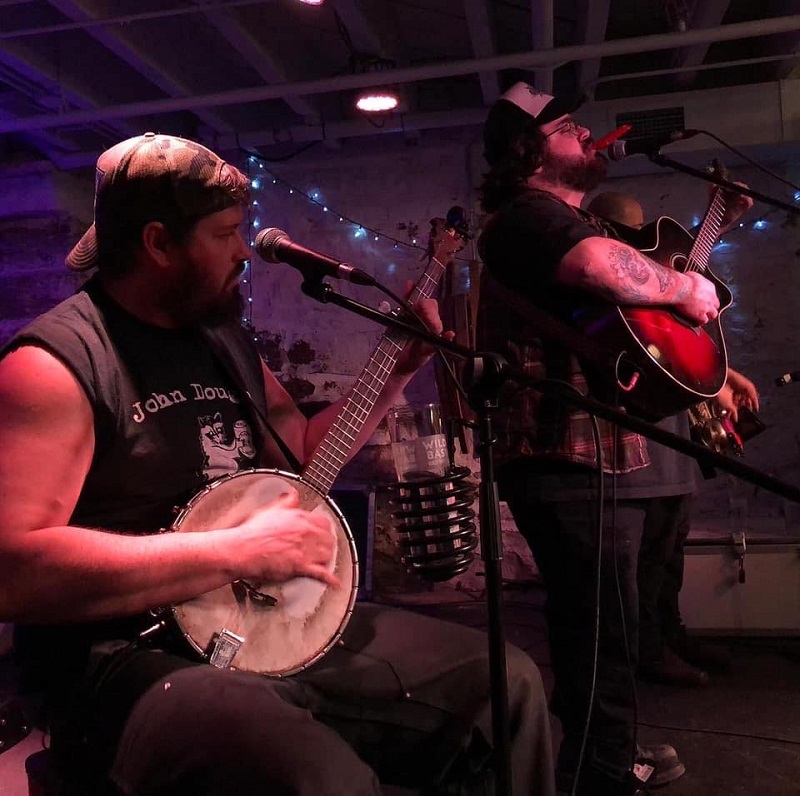
Until its tentative reopening in May, Stargazers is taking the opportunity to reach into a library of recordings from hundreds of live concerts—they’ve already streamed past concerts from Starburn and Woodshed Red, with more on the docket in the days to come.
The Pikes Peak Community Foundation is working to offer financial help to artists in the region. When restrictions on public gatherings went into place, the foundation hurried to set up an Artist Recovery Fund.
“We know the need is immense across all sectors, but there are robust programs for businesses and non-profits, so the [Artist Recovery] Fund serves individual artists,” says David Siegel, Executive Director of the Bee Vradenburg Foundation, one of the foundations supporting the fund. As of this writing, the fund has received 141 applications for relief.
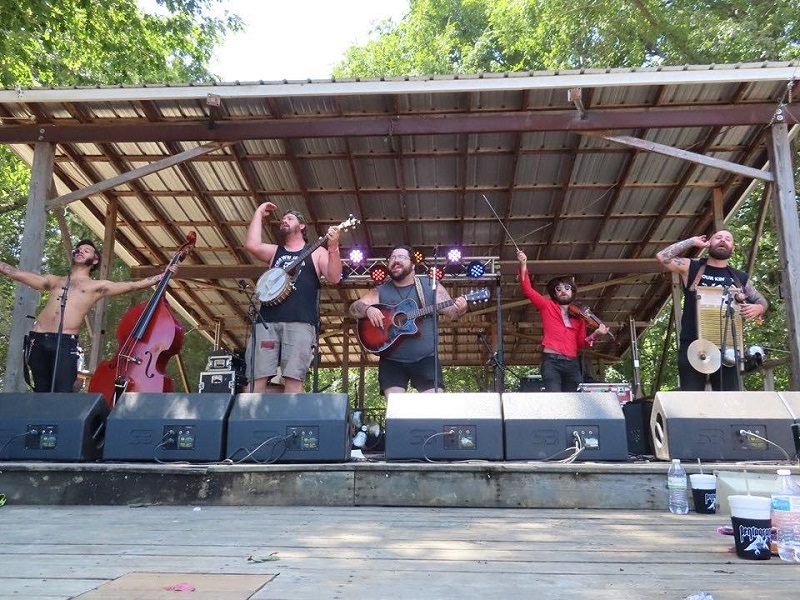
In a sense, the inconvenience of social distancing is just another creative challenge. In mid-March, the Tejon Street Corner Thieves relocated to a cabin outside of Colorado Springs. O’Neal says despite going a little “stir crazy,” the solitude has pushed them to be more creative.
Edie Carey is optimistic. “We’re in this together. Let’s laugh and cry about it and get through it.”