



Studying Ecopsychology to understand the correlation between the health of humans and our natural world.
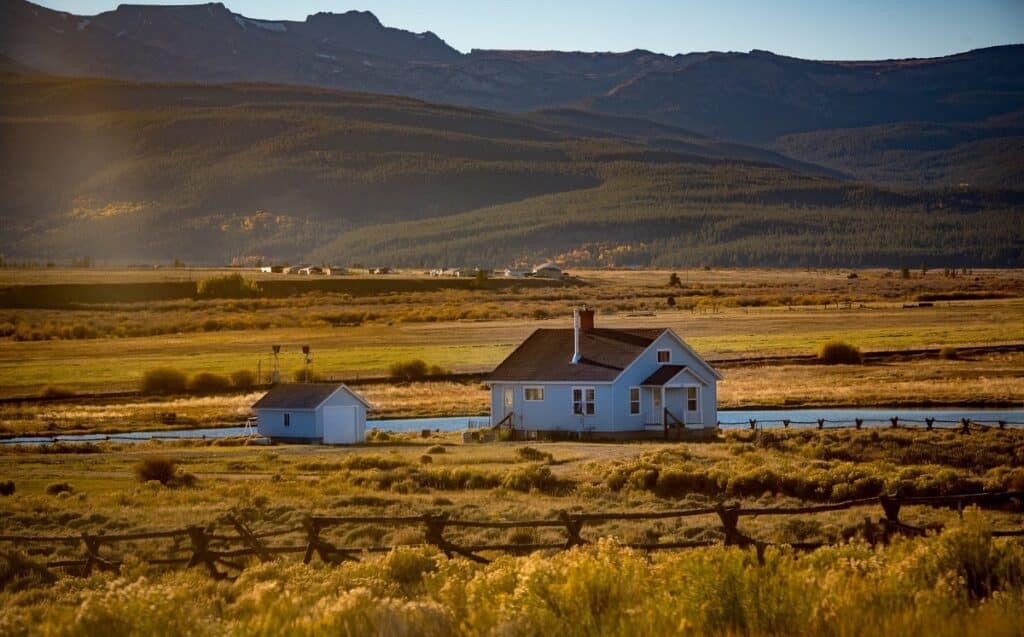
I grew up in an area of Colorado Springs that was rural. We had a sprawling pasture to the west, where our family and some of our neighbors kept horses, and many wild animals like deer, rabbits, coyotes, and bobcats called home. We had all kinds of animals as part of our family.
In addition to horses, we had dogs, cats, ducks, a goat, a pony, rabbits, snakes, and lizards. It was like living on a mini ranch. Behind our family home was a beautiful creek that I would play in often, splashing in the flowing clean water, making mud pies, and enjoying all the sights, sounds, and smells of nature.
To the north were beautiful bluffs that my best friend and I would spend hours exploring. That area of Colorado Springs is now within feet of the intersection of Austin Bluffs Parkway and Union Boulevard, barricaded behind a high, heavy concrete wall. The open pasture is gone, and the creek is now a concrete drainage ditch.
Every time I tell that story to my students, I choke up and fight back tears. To add insult to injury, I recently learned the city is planning on studying the feasibility of building a four-lane road literally within feet of my front door, where there are now trees and a bike path. To me, it feels like pure insanity – like a big destructive machine that cannot be shut down. It is heartbreaking. I’m sure many people reading this have similar feelings and stories to tell.

Ecopsychology – Relationship Between Humans and Nature
Seeing this happen to the area I grew up in is one of the main reasons I chose to study the subject I teach – ecopsychology. As an ecopsychologist, I study and contemplate the relationship between humans and nature in depth.
- Why do we behave the way we do toward the natural world?
- What drives our actions?
- What is at the root of the belief that some hold that growth always equals progress?
- What causes some people to care deeply about and want to protect the natural world, and others to be either indifferent or downright destructive, cruel, and violent toward nature?
The foundational principle of ecopsychology is the health of the human species is dependent upon the health of the natural world. And one of the core premises of ecopsychology is that humans possess an innate bond with the natural world.
Forming Bonds with Non-Humans and our Natural World
In fact, there is a theory in biology that states that our tendency to form bonds with non-human animals and our love for the natural world is embedded in our DNA and is a critical factor in sustaining life on Earth, including human life. In my field of study, caring for the Earth and other species is a spiritual need because nature is the soul externalized.
The bond between humans and nature has been described in a variety of ways. American environmentalist and author, Paul Shepard, wrote, “There is a secret person undamaged in every individual. We have not lost and cannot lose the genuine impulse.” This “genuine impulse” implies our ability to live in harmony with the natural world, rather than our current destructive habits.
Our Link to the Earth
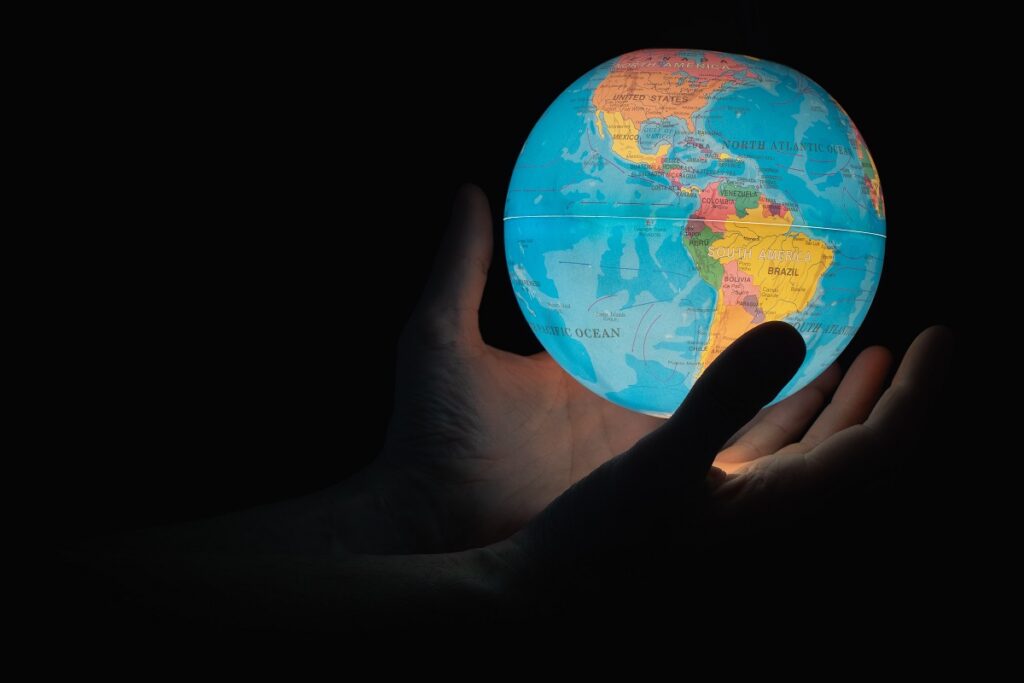
The fact that our ability to not only survive, but thrive, as a species is dependent upon the health of the Earth seems so intuitive, as does the assumption that humans have an innate unbreakable bond with nature.
But when we examine our collective behavior toward nature, we must question whether this bond exists, or has it been compromised in some way. We must ask ourselves, “What happened?” when faced with the state of the natural world and the human condition.
Are we so disconnected from our own biological impulse to care for the Earth and its inhabitants, that we can no longer even feel the need to do so? The consequences of living with such numbness and disregard for the natural world are painfully evident.
For humans, suffering takes the form of disease (physical and mental), grief, despair, violence, and alienation. For nature and its inhabitants, suffering takes the form of ecological devastation.
What Can we do in a Minute?
If we take the approximate age of the Earth (4.6 billion years) and scale it down into years, the Earth is 46 years old. Using this scale, humans have been around for the last 4 hours, and the Industrial Revolution began 1 minute ago.
In that 1 minute, over 60% of rainforests have been destroyed, countless other natural habitats have been destroyed and encroached upon, and hundreds, possibly thousands, of plant and animal species have gone extinct. And it is estimated that 1 million plant and animal species face extinction within decades.
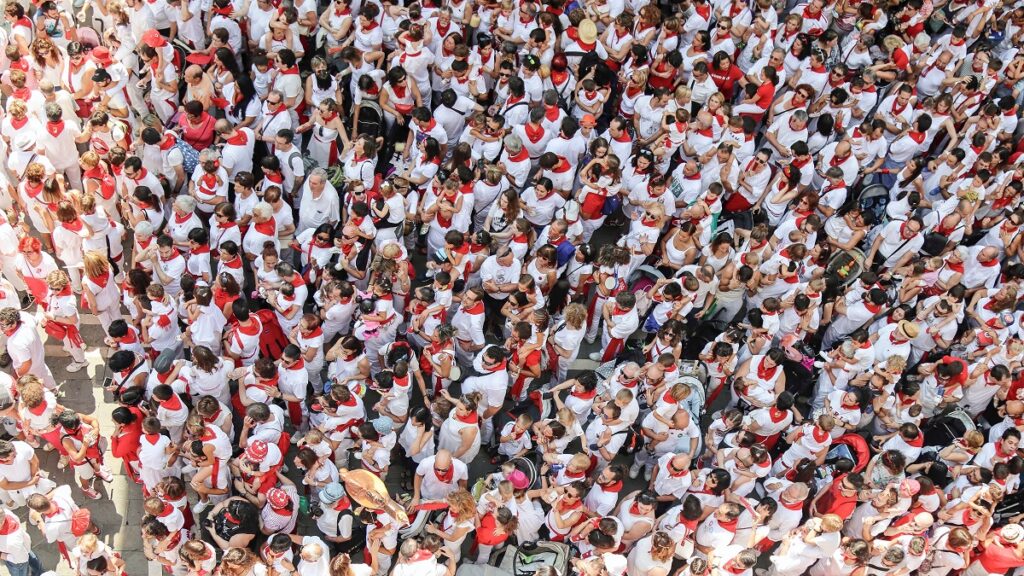
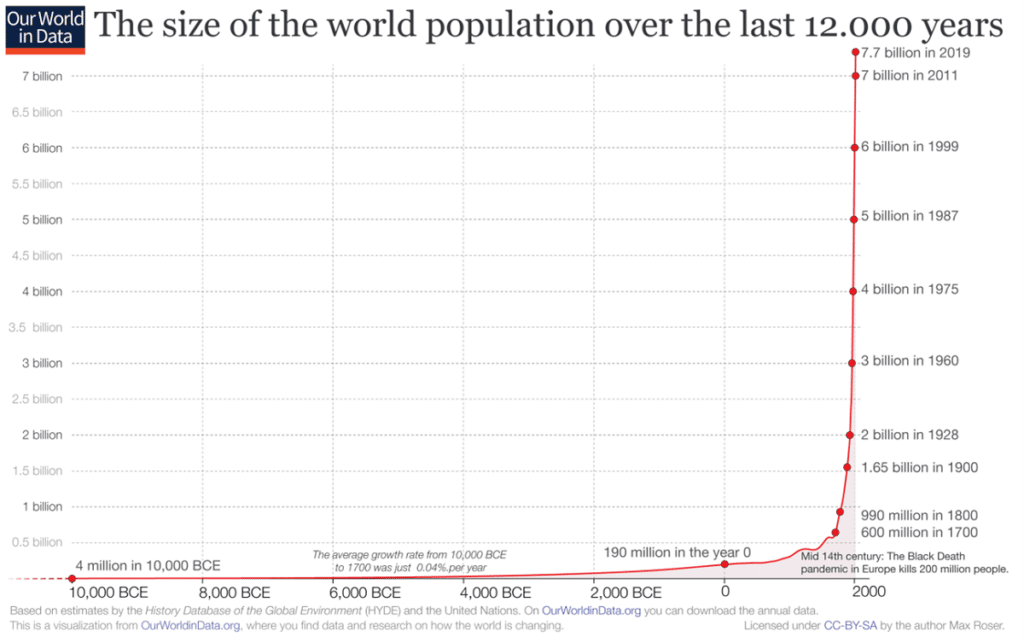
When we look at what the human population has done over the last 12,000 years, the average growth rate from 10,000 BCE to 1700 was .04% per year. In 1800 the population was 1 billion. In just the last 200 years the human population has increased just shy of 8 billion and is estimated to reach 9.7 billion by 2050.
Population Infestation or Growth?
If we observed this exponential increase in population in such a relatively short period of time in any other animal species in any other habitat, we would call it an infestation. We would be concerned about the consequences and impact on other species in that habitat, and we would perhaps take some sort of action.
We would ask how this rampant growth of a species may affect our own species. But, because it is our own species, we stick our heads in the sand and deny the impact or make excuses and justifications, all the while calling it perfectly natural. Some try to make an educated guess at how a living system like Earth responds to this sort of rapid alteration, but no one can truly know for sure.
I acknowledge the controversial nature of discussing the human population, and in no way am I suggesting we need to “cull the herd” or stop procreating. I am suggesting that those of us in a position to choose how many children to have may consider having fewer. Those who are not invested in having biological children may consider adoption.
We might consider altering our own choices and behaviors not just for the sake of the Earth, but also for the sake of the human species. I have no doubt some will be offended by this suggestion, and some will feel this is not going far enough.
The reason we do not seriously address questions about our own population is that we consider human life sacred. My primary intention is to extend the invitation to appreciate and embrace that all life is sacred and deserves consideration, care, and respect, not just human life.
Every Species on the Planet Matters
For a species capable of self-reflection, we must ask ourselves what mechanism is at work within the human mind that allows us to believe that in almost every circumstance our needs and desires are more relevant than every other species on the planet. In fact, certain groups of humans have demonstrated this behavior toward other groups of humans, witnessing the fate of indigenous people all over the world.
Of course, our needs and desires are relevant, but what has given us the notion they are more relevant? And, what prevents us from recognizing this mindset and its resulting behaviors are not only devastating to other species’ survival but pose extreme danger to our own survival? We need to discover and create ways to fulfill our own needs and desires without eliminating the opportunity for other species to do the same.
Natural Cycle of the Earth
There are some who theorize we are experiencing a natural cycle the Earth goes through periodically. In her extensive study of evolution biology, Elisabet Sahtouris has observed a repeating cycle from the time of the ancient bacteria.
She explains that ancient bacteria that lived billions of years ago demonstrated strikingly similar behavior to what we observe in humans today. They cultivated unique lifestyles, engaged in vicious competition for resources, created weapons of mass destruction (oxygen), and dramatically transformed the Earth causing worldwide hunger and pollution, until eventually creating innovative alliances that led to new levels of unity.
Her observations led her to one major conclusion: The only species to survive this evolutionary cycle are those that create mutually beneficial connections with other species and contribute usefully to sustaining the lives of other species.
For those who care about all life on Earth, not just human life, there is hope. The question becomes, how, as individuals, do we begin to come to terms with and change our destructive tendencies? How can we possibly make a difference that matters? The answer is simple, but the process is far from easy.
It involves having the courage to question everything we think we know to be true, everything we’ve ever been taught, and the values our culture promotes. It involves peeling away layers of conditioning that build up over a lifetime of living in a culture that encourages distraction through technology and entertainment and hyper-consumerism.
We must be willing to answer serious questions about our quality of life.
- Has the “bigger, better, faster, more” mentality worked to improve our quality of life?
- Has it made us happier, improving our sense of well-being and peace of mind?
- Can we honestly say we are thriving as a species?
What’s to be Done?
The “how” necessitates spending time with nature, preferably alone. It requires us to make time to be in as natural a place as can be found in our current environments and still our minds so we can begin to feel our innate bond once again with the natural world. And then we must kindle extreme courage to allow our hearts to break open to the innate love we have for this beautiful Earth that is deeply embedded in our genes, our body, and our soul.
Most importantly, to make a difference we must be willing to soften our personal edges, re-engage our “genuine impulse” and identify with what the Norwegian philosopher, Arne Naess, referred to as “the widened, deepened sense of self with permeable boundaries and a deep recognition of and respect for our independence with all of life.”
It encompasses being willing to acknowledge our severe pain and embrace our extraordinary potential. The resulting transformation from the experience of feeling this expansion of self and contacting this primal love is profound, and possibly life-changing. At the same time, it feels like coming home to such a deep and familiar place within oneself. And this is how we start to heal not only ourselves but our beloved Earth – one heart at a time. It is the hardest thing you will ever do, but the most precious, exquisite, and necessary.
It is incumbent upon humans to start showing some gratitude and work to restore balance. Nature has given us the opportunity to evolve consciously. Our way forward must include reawakening and reigniting our passionate love of life and all that is alive…including each other, ourselves, the Earth, and all its inhabitants.
If we are going to survive and thrive as a species, we must contact this deep, sacred place within each one of us. And then we must do our best to live from our love of life in thought, word, and action.







What a great article. Too many of us feel we won’t be around for the “long term effect” of our actions, so who cares…. I hope those people can read and understand our connection with the natural world and make some self improvement. Great read!