

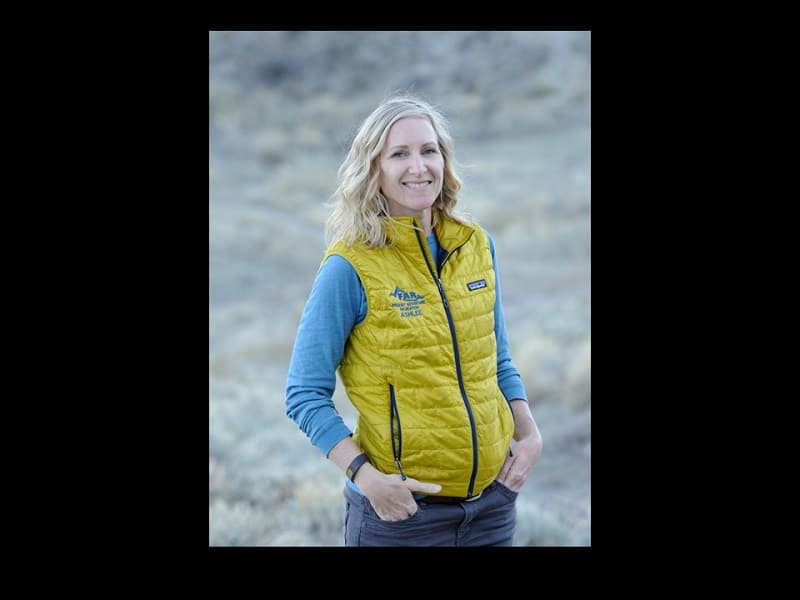
Ashlee Sack, transplanted from her youth in California to Canon City in Fremont County as an adult, knows it is crucial how a community connects to protect its outdoor resources. As the coordinator for FAR (Fremont Adventure Recreation), a nonprofit organization that helps promote a culture of community and healthy living through outdoor recreation in the Royal Gorge area, she takes both practical and educational approaches to conservation and trail building by encouraging everyone to enjoy the outdoors responsibly.
Sack says that Canon City and Fremont County are in the unique position of being surrounded by so much public land. While FAR themselves are not land managers, they are part of Pikes Peak Outdoor Recreation Alliance, which allows them to work and communicate with other businesses and organizations with similar goals in the region.
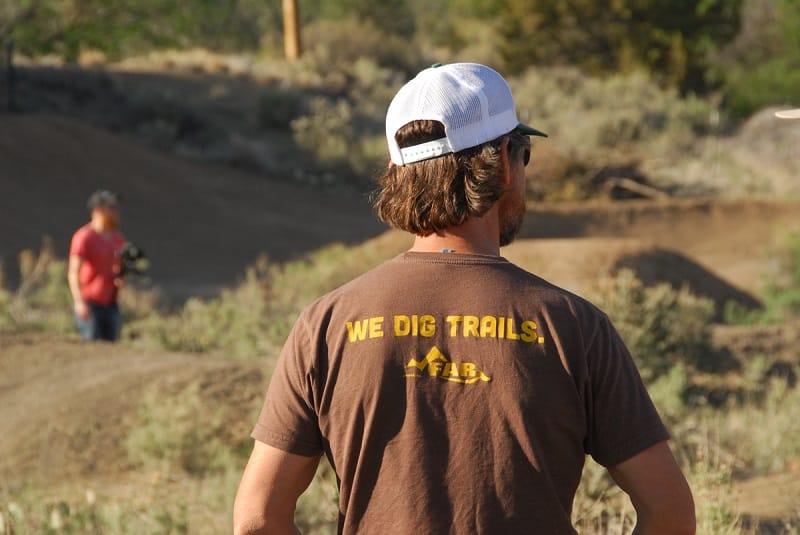
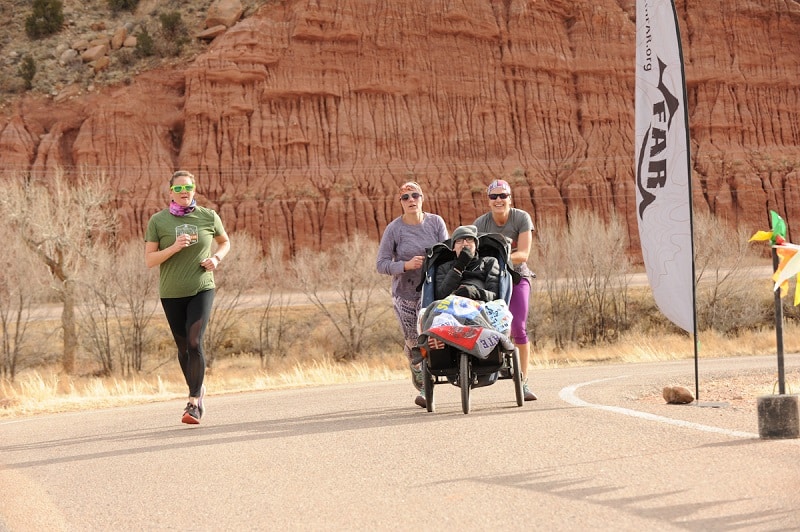
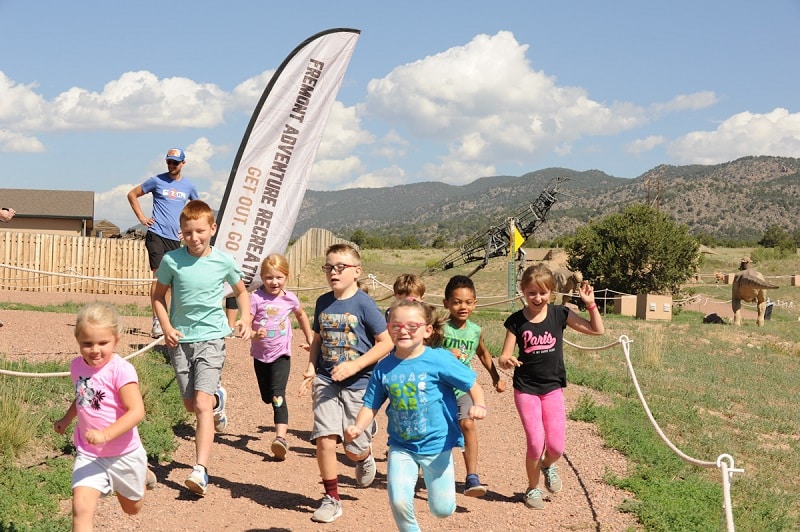
“All of us on the FAR board, myself included, are recreationists in some way, shape or form. So, we really are the advocates for trail systems and for recreation in our community.” Sack says they all know that the Bureau of Land Management and the Forest Service are strapped for money, so FAR, in their own way, steps in and assists the land managers with identifying priorities and then helping fund any projects that are appropriate for the region. It can be localized outdoor events like 5K runs. trail building and clean-up initiatives, or new park build like the recently opened The Yard bike park.
Guiding Foundations and Focus for FAR
The guiding document for outdoor recreation in Fremont County is called the Eastern Fremont County Trails, Open Space and River Corridor Master Plan, which was adopted in 2015. The big project building from this plan is the Royal Loop. Sack explains that what the Royal Loop will do is allow hikers, trail runners, and mountain bikers to access public lands by directly connecting the Royal Cascade trail to downtown Canon City.
“We really want to create this contiguous system of trail systems, so to speak, that will allow folks to do a greater number of miles while also doing a loop so you can end back where you started. That way you don’t start downtown and end up 50 miles out in the middle of nowhere.”
Sack says they recognize that most urban recreationists really want to be connected to a downtown area. That way, a person can start their ride or hike with individuals, or with friends, go out, and usually end up back in town.
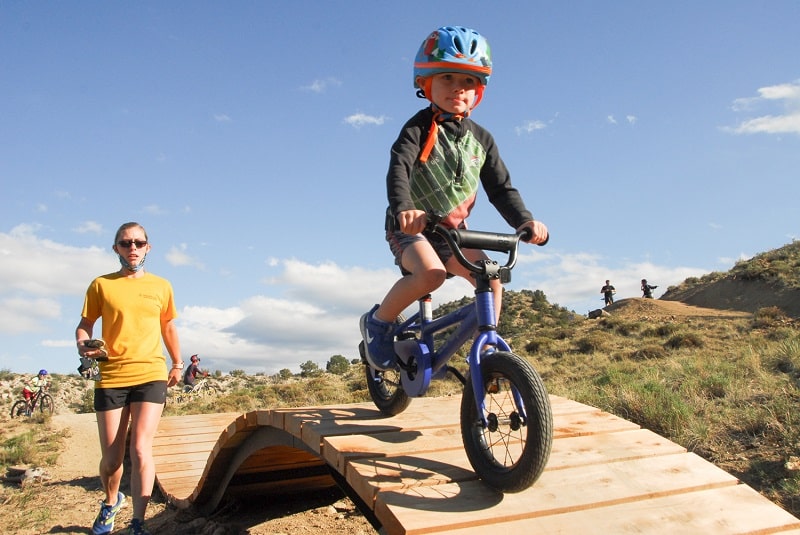
The Yard bike park is another project that was completed in 2021. “When COVID hit, we recognized that our priorities changed just a little bit.” FAR had an opportunity to utilize some of the money that they raised, along with some community donations ($14,000 from community members alone) to complete the park’s construction.
“We’ve just have so many kids and adults now able to enjoy that park, which is easily accessible from the Riverwalk, which is the key transportation vein in Cañon City. So that was a big win.”
Finding the Right Voice
But even before practical applications like the Royal Loop or The Yard, education starts with younger children. FAR is a partner in the Leave No Trace initiative along with Care for Colorado. “And it is very important to us that we are using common rhetoric.”
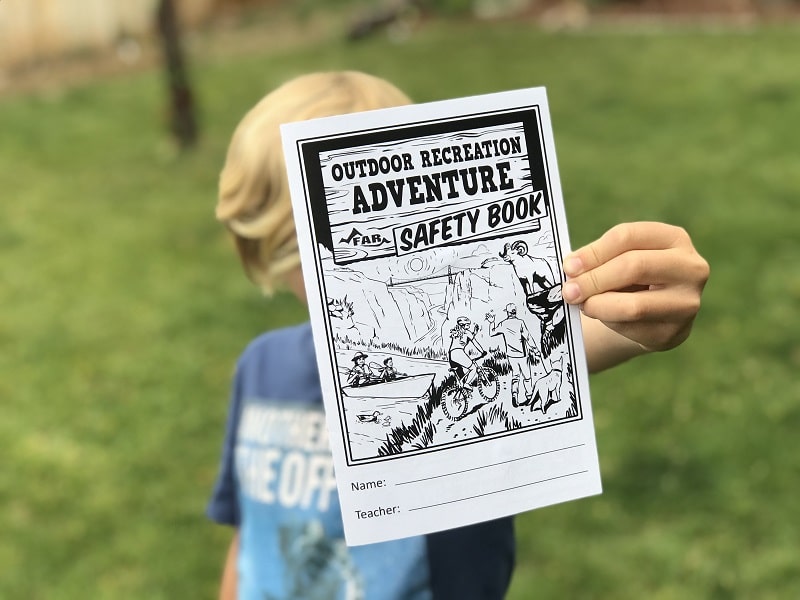
FAR, as a result, has created for their smallest recreationist a color safety book, which introduces vocabulary that parallels key caring principles to safeguard outdoor resources like fire safety and trash pick-up. FAR also puts out the Adventure Guide, which is an 80-page book that promotes certain outdoor spaces and trails for use by younger adventurers in the region (under their parents’ supervision of course).
Sack says that the list in the book is not comprehensive. “There are trails that we do not include, and that’s mostly because we don’t have eyes on them on a regular basis, and we don’t assist with managing them. But the ones that we do list, we feel comfortable telling people about.”
FAR’s approach is that if they are going to tell people to head out on trails, they want those people, young and old, to behave responsibly in caring for them.
FAR also works with police and fire departments in creating these books. Sack says they asked law enforcement in the area what else they thought should be relayed to the kids in this kind of localized literature. “And one of the things they said was ‘Look, kids don’t know where they’re going [sometimes] and if they get lost, they don’t often know what to do when they get separated.’”
Sack says those officers asked them to please include: “If you get lost, hug a tree.” This suggestion, she says, is because first responders have told them the reason kids often get more lost than they already are, is that they wander off the trail and go farther away from where they first got lost.
Connection to Nature
In relating these lessons to kids, Sacks looks back on her own connection to nature at an early age. She grew up in a small community called Atascadero in California, which is halfway between Los Angeles and San Francisco on California’s Central Coast. “I grew up playing in the Salinas River. My mom and I would ride our horses, my brothers would ride their ATVs and we would all meet up down the river and play and then go back to our house. So that was my experience growing up. I was immersed in nature as just kind of part of my everyday recreation from a very young age. So obviously the Salinas is very different from the Arkansas River. That was a real shocker to me. There are rocks in the bottom of the Arkansas River. I did not expect that. But other than that, Canon City is a very similar community.”
In terms of ecology and the relationship to the land between the two places, Sack says the only real palpable difference is the treatment of water, not so much the treatment of land. “We’re all trying to conserve the land. Landscapes, agriculture, all those open spaces that we take for granted, in terms of protection, [we all approach it in] similar ways. But in California, we treated water as a scarce resource from as early as I can remember. Wildfires were an everyday occurrence. In the summertime, we took three-minute showers. You recycled every single thing you took in.”
Inspiration in Action
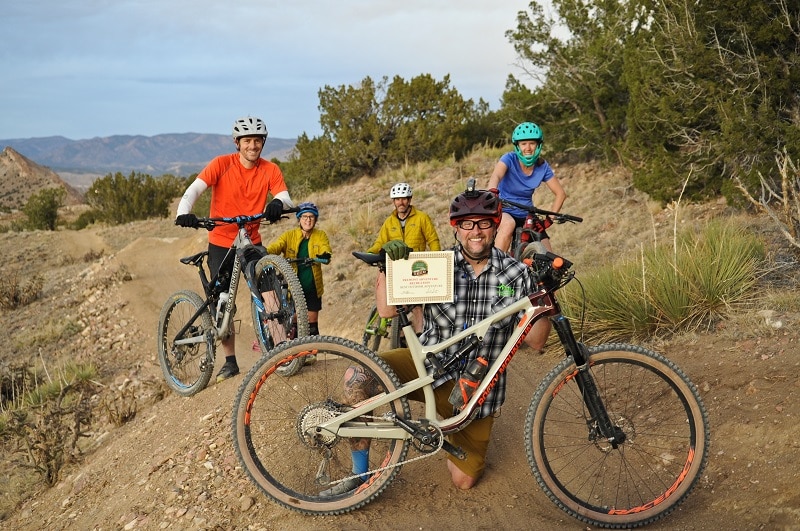
But, in terms of outdoor recreation, FAR and its board of directors inspired Sack with their passion about wanting to transform the ability to access public lands in the local community. Sack herself had initially moved to the area to be a rafting guide so there was an inherent love in her for the natural land.
The key is broad use. For example, she says, “If you’re not a hunter, you’re not going to go off on these bush-whacking trips and trails to go hunt elk. But if you’re just the average person who wants to go see something beautiful on your lunch break when you have an hour, FAR helps provide the basis for education and trail and event building to make that happen.” Exploring these areas, she relates, is for everyone, granted it is done responsibly, and not just for the avid hardcore outdoor adventurer.
Sack says FAR is not just dedicated to building trails – though she says that is important – the overall health of the community in their outdoor endeavors. “If you don’t build a culture around outdoor recreation and support people in learning how to do that, where to do that, or how far to do that, then you’re creating something that nobody in that community can use.”
Sack says if a person walks into any classroom in Canon City right now and asks kids to raise their hand if they visited a local trailhead, it would be a minority. “Our goal is to create a culture of outdoor recreation so that in five, 10 years, when you visit any classroom and ask children to raise their hand, and say, ‘Have you visited Eagle Wing Trailhead to hike South Canyon, over half of them will raise their hand. And that to us will be a success story. Because if you build the trails and nobody visits them and your community is not able to enjoy them, then what have you really done?”