




If you’ve been to the grocery store lately, you’ve probably noticed that food costs a bit more than it used to. The same is true for gas, energy to heat or cool your home, even rent is up compared to the prices in 2020. Obviously, this isn’t the best thing for your wallet.
But did you know that inflation isn’t necessarily a bad thing? Indeed, when average inflation stays steady at 2 percent (meaning prices increase 2 percent a year), that’s a sign of a healthy economy. Unfortunately, what we’re experiencing now isn’t a steady 2 percent increase.
Instead, according to the Bureau of Labor Statistics’ (BLS) latest Consumer Price Index report (CPI), prices increased 5.4 percent for the 12 months ending September 2021.
Supply and Demand
The two contributing factors to inflation are supply and demand. For example, if there’s more beef available than demand, the price of beef decreases. If there’s not enough beef to meet demand, the price of beef increases.
When the price of something increases, the value of the dollar decreases. Typically, the increasing cost of goods isn’t noticeable because it’s slow and steady. However, if the supply chain is hampered due to loss of workers, or there’s not enough product, cost increases exponentially. That’s what’s happening today, and it’s being driven in large part by the price of gas.
According to the BLS, in Colorado, the price of gasoline increased 54.8 percent between September 2020 and September 2021. In comparison, nationally, the cost of gas increased 42.1 percent during that same time.
This impacts the price you pay when you fill up your car and the price you pay when you purchase food and other retail products. Why? Because the cost to transport those items increased. So, why is gas so expensive?
Looking Deeper into Inflation
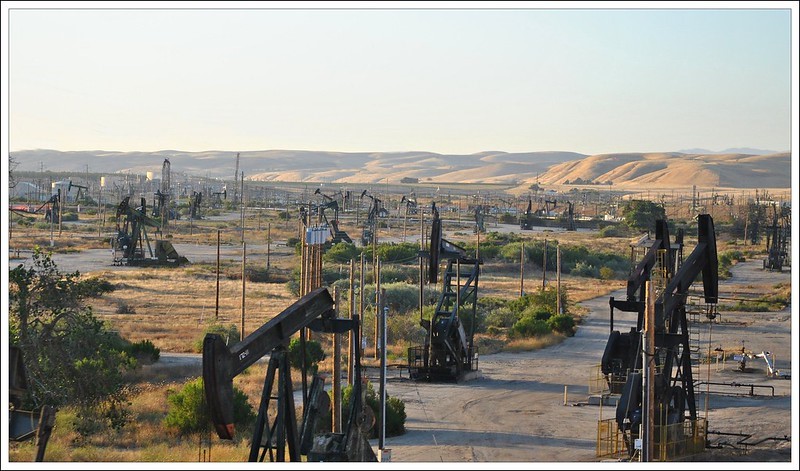
The gas price at the pump is based on the price of crude oil in the global market. According to the U.S. Energy Information Administration (EIA), in September 2020, the price for Brent crude oil averaged $34 per barrel. In September 2021, the price was $74 per barrel, and by October 2021, the cost was $80 per barrel.
EIA states, “Oil prices have increased over the past year as a result of steady draws on global oil inventories, which averaged 1.9 million barrels per day (b/d) during the first three quarters of 2021. In addition to sustained inventory draws, prices increased after the October 4 announcement by OPEC+ that the group would keep current production targets unchanged.”
In other words, according to the EIA, globally, oil demand has increased since September 2020, and supply isn’t keeping up with demand, causing the price of gas to rise. However, if you’re like me, you’re probably thinking, “Wait a minute. I don’t remember gas being this expensive last October through January!” And in truth, it wasn’t. Loosened COVID restrictions increased oil demand, but that’s not the only factor at play.
If you look at the CPI chart for September 2020 — September 2021, you’ll quickly notice something:
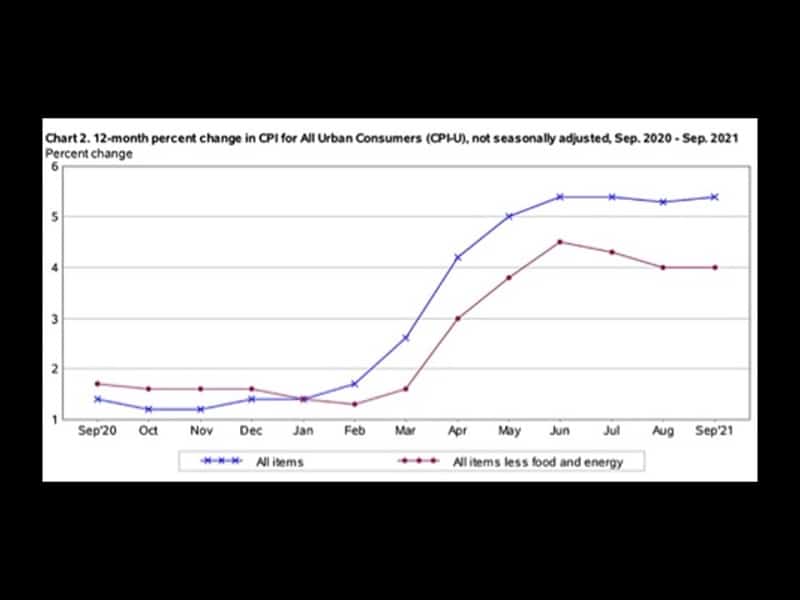
Specifically, starting in January 2021, prices increased dramatically, especially for food, gas, and energy. In fact, in March 2021, the gas index rose 9.1 percent. What changed in January? Answer: Biden became president. But why does this matter?
Generally, the price for crude oil is set in oil futures markets, and the price is determined by supply and demand, market sentiment and geopolitics. Furthermore, the cost of oil is highly volatile.
As one of his first acts in office, President Biden revoked the construction permit for the Keystone XL pipeline. He then placed a moratorium on new federal oil and gas leasing programs. Both measures will slow the growth of domestic shale production. This sent the message that the U.S was and will continue to pursue policies that’ll suppress the oil supply. Less supply coupled with increasing demand equals one thing: sky-high prices.
It’s Not Just Pandemic Rebound
From September 2020 to September 2021, in Colorado, food prices increased 3.3 percent, rent increased 2.5 percent, and household furnishings and operations increased 5.4 percent, according to the BLS. However, the most significant factors influencing inflation are related to the price of gasoline. Energy is up 33 percent because of the cost of gas, and gasoline itself is up 54.8 percent. In fact, if you took all items less energy, inflation in Colorado is only up 3.1 percent.
Yes, COVID forced the closing of the economy, and everything slowed down as a result. People didn’t spend as much, and demand dried up, impacting businesses and the labor force. As such, some inflation was expected as businesses reopened and people started going back to work. However, just focusing on the pandemic rebound is shortsighted. President Biden’s policies directly impact the price of gas, causing inflation to increase more than expected coming out of the pandemic.
As of this writing, inflation is expected to stabilize sometime in 2022, meaning it’s transitory. However, if Biden continues to pursue policies that make it harder for supplies to meet market demand, expect inflation to worsen.







[…] economy and inflation are on everybody’s mind as we head into the holiday season. With higher prices at the pumps, […]