



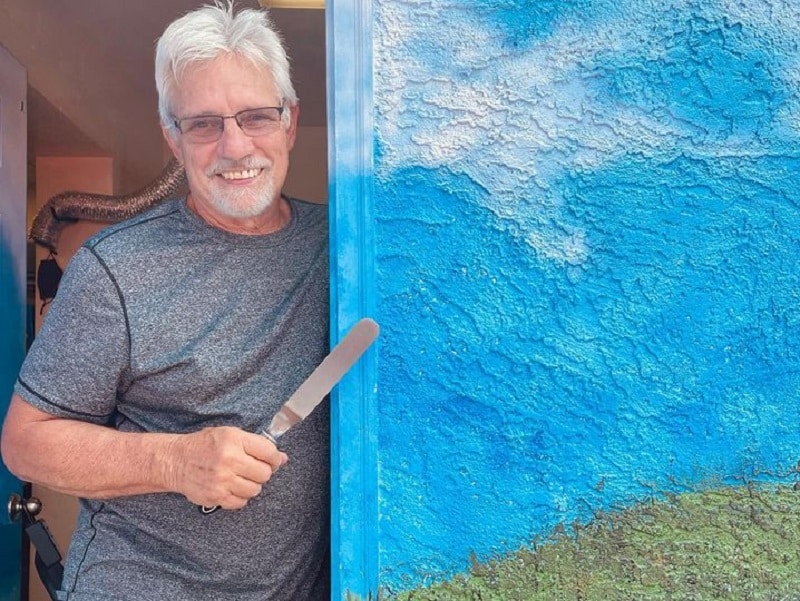
Being taken from your family can be traumatic for any child. But imagine during the 1959 Cuban Revolution escaping to the US (specifically Colorado) only to end up in an orphanage with extenuating circumstances. Hector Diaz‘s journey, in that way, was more traumatic than most. But he found a way later in life to embrace his Cuban heritage through his culinary outlay with the Lucy I’m Home food truck and its brick-and-mortar expansion.
Diaz was born in Cienfuegos, Cuba in 1951 into a prominent family. His father was involved in the local community, business, and government affairs. When the Fidel Castro-led revolution began in 1959, circumstances began to change. By 1961, the communist government, he says, was taking children away from their families to indoctrinate them into their new order.
Diaz and his sister, who is a year older than him, were able to make an exodus from Cuba in an operation known as Peter Pan, which helped Cuban kids get off the island and to safety. “It was kind of a covert operation being put together by American educators in Cuba in conjunction with the Catholic Church here.”
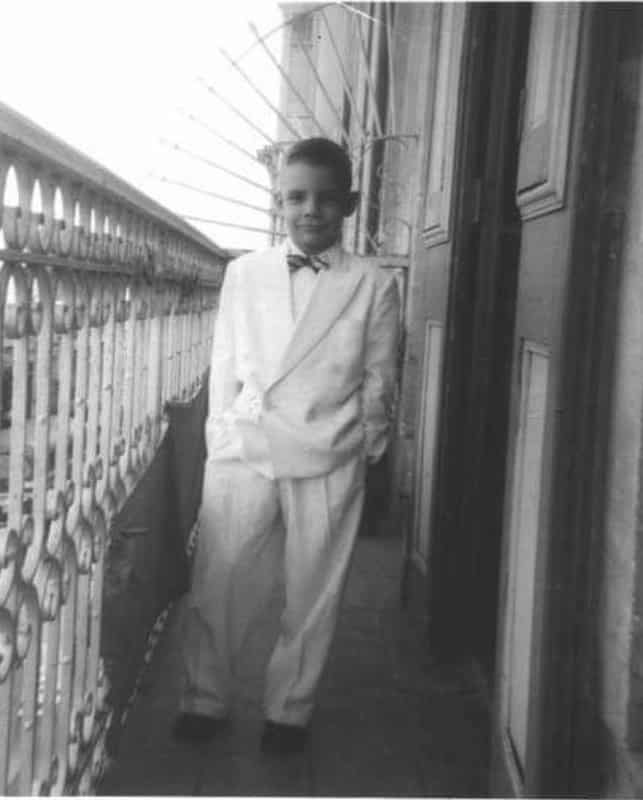
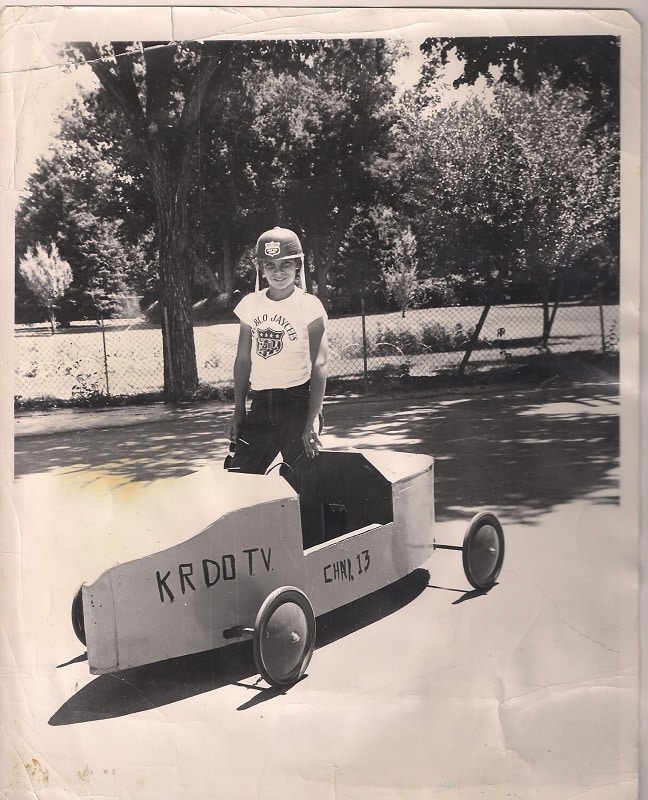
Originally it was a few hundred kids, but it ended up being thousands. Diaz’s father was incarcerated after Diaz left. His mother had already separated from his father during the turmoil and ended up remarrying a man who was pro-government. She in turn had another son. This left Diaz and his sister to face the system. After being held in Miami for a couple of months, they ended up in an orphanage in Pueblo, where they grew up for most of the next eight years.
“My parents kind of guaranteed us that the United States wouldn’t allow communism to be so close to their borders,” Diaz says his parents thought this whole thing would be short-lived and that we would be reunited. “And needless to say, that didn’t happen. So, we kind of were put in foster homes and group homes all throughout Colorado.”
The Path Toward Cuban Food and Lucy I’m Home
The evolution of eventually being involved in Cuban food was a long path for Diaz. He worked for the telephone company in Denver for many years. His sister became the Hispanic liaison for the Cuban American National Council. Eventually, his father was able to leave Cuba and came to Colorado. He and his father didn’t see eye-to-eye in the late ‘60s. Just as they were about to start mending fences because Diaz had gotten more stable in his life, his father died suddenly at 78 while staying at his sister’s house. This, for Diaz, is still a hole in his heart.
All this resounded in wanting to embrace Cuban culture. Right around the time he got married in his 20s (early ‘70s), Diaz went to Miami with his sister for a reunion of a lot of these kids that were at that orphanage. “It was like a metamorphosis when I walked off that plane and into the humidity. That was the first time I had ever been away from Colorado.” Diaz saw the palm trees and that all the car radios were tuned in to Cuban music.
“It was just a slap in the face of what I had been missing and who I was. So, when we returned from that trip, I just became totally immersed in everything Cuban.” It began his transformation in Colorado Springs. “I started listening to the music, started cooking, started dancing.” He even started teaching dancing at his own studio. “It was called Suavemente. My motto was from a Cat Stevens song saying, ‘You’re only on this earth dancing for a while.’”
Diaz did that for 15 years with his old partner, and then he and his daughter continued the dance studio for a while. “But I was doing that while I was working for the telephone company. [Meanwhile] I started cooking and perfecting all the Cuban dishes that I remembered as a child.”
A New Passion Arises
Diaz retired in 2011. “By then I would cook Cuban food constantly, just looking up recipes trying to stay authentic, but adding a little tweak here, a little tweak there, and experimenting.” Every time he had parties or friends got together, they always raved about his food and encouraged him to open a restaurant. But Diaz knew it was a risky business.
After being retired for a year or two playing golf and watching TV, Diaz got stir crazy. At the time he said, people hadn’t really embraced the food truck community. “I didn’t even really want to make a business out of it. I just thought, ‘I’m going to build me a truck for family or friends or whenever somebody wants to cater a party or something, we’ll do that.’ That was my primary thought.”
At the time he began the food truck business in 2015, breweries in Colorado were starting to become more popular. The first one they worked with was Field House back when they were located downtown on Tejon Street. “Back then there was maybe a total of 20 food trucks here. And last count here in Colorado Springs, I think there’s over 250.”
Lucy, I’m Home, as a business, he explains, he was doing for pleasure. “I enjoy meeting people and just hearing about people’s lives and telling them about mine. That part of it was what was appealing to me. I think most people who serve food, their main reward is when they hear people say, ‘Oh, man. That was the best Cuban sandwich I’ve had.’ When you hear things like that, it just kind of motivates you to keep going.”
The Specialties That People Love
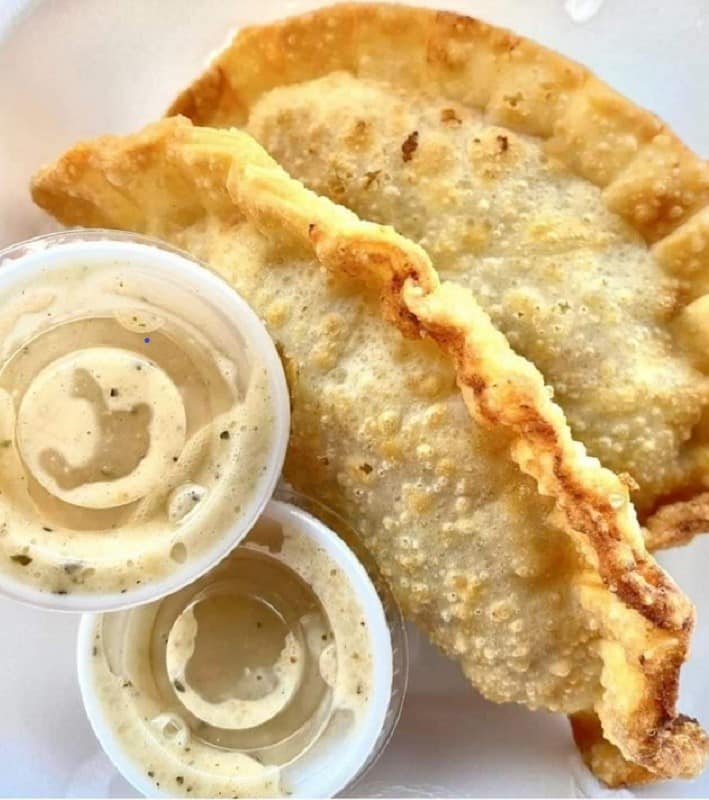
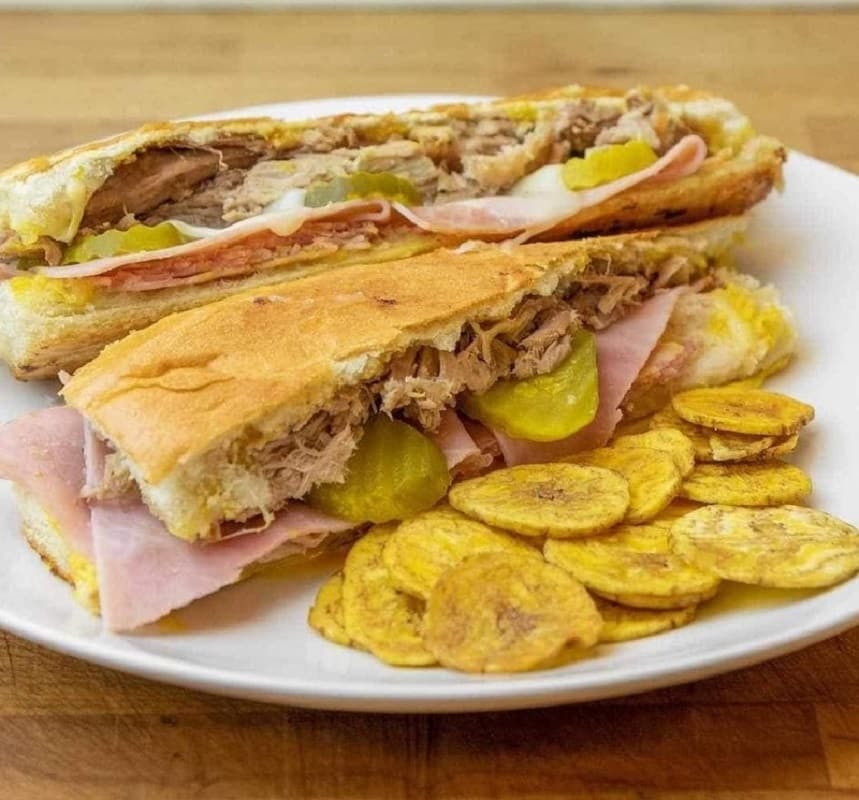
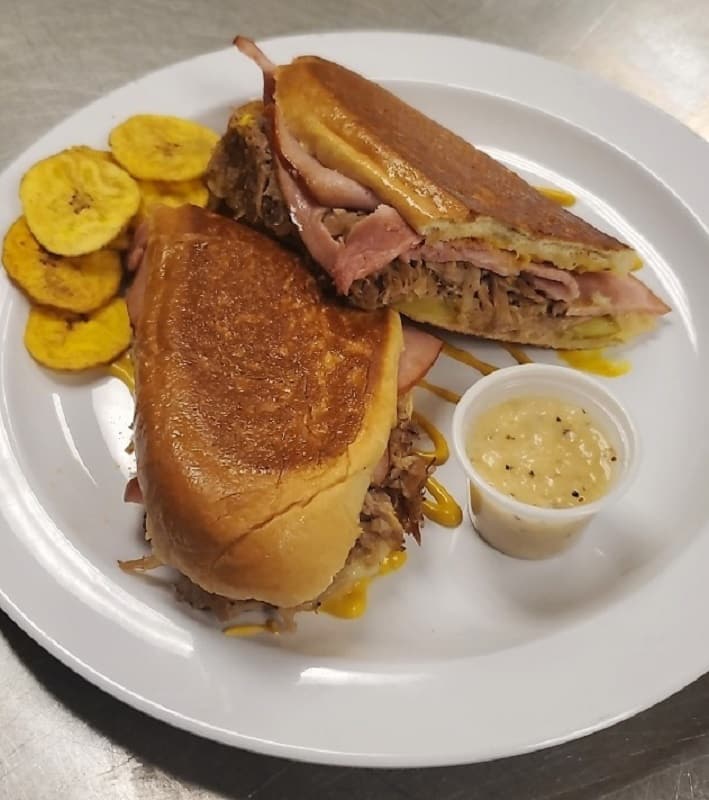
The fact that his Cuban sandwich and many of his other dishes are riffs on older classics is part of the creativity he enjoys. He explains that his Cubano in comparison to one that people get in Miami is not an elaborate change yet a very specific one. “In Miami, they slice their pork. And pork can be kind of dry unless you have the right marinade and juices. So, we shred our pork, and we marinate it in a mojo sauce and that makes it very savory. I think that makes it more appealing.”
While the Cubano counts for maybe 80% of people’s orders, he does encourage customers to make it a meal with black beans, rice, and plantains since it offers the complete experience. Ropa Vieja is another dish that many might not be aware of that is a specialty he loves. “It is more of a shredded beef dish.”
Baca Frita is another that uses the same meat. “But it’s made more with onions, fried and more garlicky.” Diaz sometimes will offer these as specials – not to be missed.
As far as the name of the business, he figures that moniker is indistinguishable at times from the Cuban experience so might as well embrace it. “It’s recognizable. And it’s generational, too. I have Cubans that come to my shop now, and they have no clue what that means or what it is. [That said], I wanted to have the name Americanized but keep it Cuban so that’s a nice little mixture.”
Even though Diaz is trying to slow the business down, it keeps growing. He jokes, “I was just trying to make this thing stop. And then it got a life of its own.” The irony, he says, is that “if I needed it to sustain myself, I would have taken a whole different approach, and it probably would have been more about the money or trying to survive as opposed to just making sure that people are enjoying the food and learning my story.”
For Diaz, it is about the whole experience and one that he passes down to his twin daughters who also work with him. “That’s why a lot of these family places are more sought after and popular because of that, because the customer knows when you’re putting your heart into it and it’s not just a job or whatever.” And for Hector Diaz, it is a way to honor and encompass the path that led him to his moment.







Excellent article. Hector has great entrepreneurial instincts and heart. Congratulations Hector!!!