



“Since no one’s taking vacations, they’re taking that money and utilizing it on home remodel,” says Bob Mock, owner of A Finished Touch, LLC, a general contractor specializing in home improvement. That’s Mock’s explanation for the steady, high demand he has seen this summer. And he’s not alone. Counterintuitively, contractors and home builders remain busy despite the global pandemic and government-related shutdowns. Further pressuring an unprepared lumber industry for lumber demand.
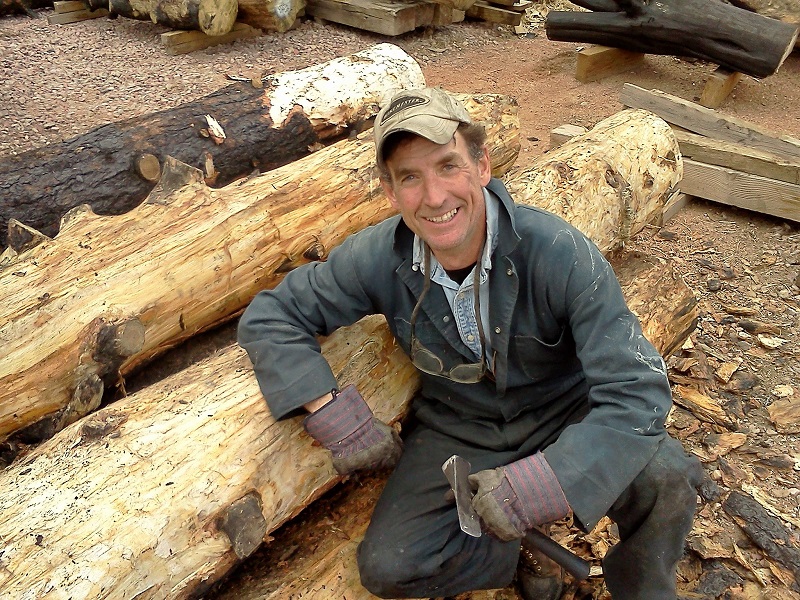
“At the beginning, the big companies forecasted less need, but the demand spiked,” says Mitchell Dillman, Chief Designer and Artisan for Colorado Rock-N Logs.
Impact on International Lumber-Supply Companies
Dillman says that initially, international lumber-supply companies that were already facing the COVID-19 threat and implementing worker-safety protocols, anticipated less demand and cut production. But within weeks, lumber demand bounced back, taking international markets by surprise.
Locally, the state designated lumber harvesting and milling as “essential” businesses, says Tim Reader. He’s the Wood Products Utilization and Marketing Program Specialist for the Colorado State Forest Service. But most lumber in Colorado goes through small businesses who struggled to maintain production capacity while following new employee safety guidelines.
“In the meantime, the home project wood-purchasing skyrocketed,” says Molly Pitts, Executive Director of the Colorado Timber Industry Association, a trade association that supports Colorado’s lumber industry. Dillman and Mock explain that DIY projects and home renovations are a natural consequence of staying home for a long interval like the spring shutdowns.
Projects & Renovations Strained Imports
Those projects and renovations strained imports. Pitts says Canada and the Northwest and Southeaster states supply most of Colorado’s lumber. Unfortunately, wildfires in Oregon and Washingon and hurricanes flooding woodlands and production facilities in the Southeast added more stress to an already burdened system.
“Typically a sawmill has wood sitting in a shop ready to ship out, but right now people have orders for wood they haven’t even cut yet,” says Pitts. She clarifies that she is no natural disaster expert—to her knowledge, this year’s hurricanes and wildfires are not shocking. But, she says, “It is unprecedented in that [wildfires are] affecting California, Oregon, and Washington at the same time.”
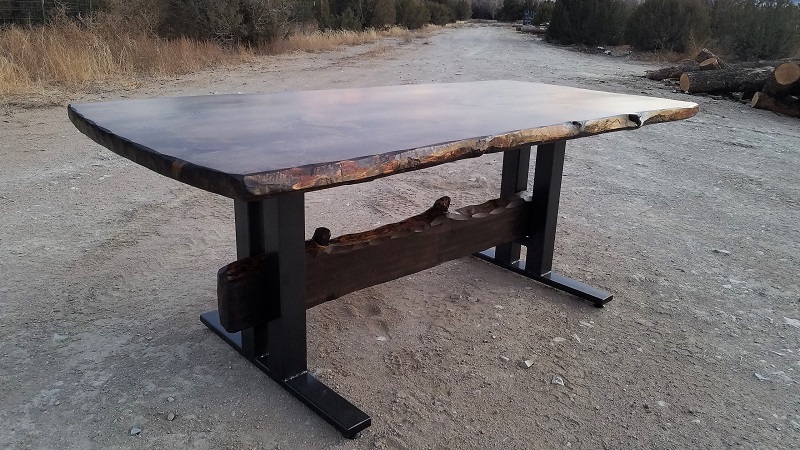
And within the state, lumber harvesting slowed this summer, too. Dillman, who specializes in log furniture, frequently using logs from local burn scars, struggled to obtain the resources he needed this year. “All the guys who were supposed to go do [our] logging couldn’t go,” he says.
According to Reader, the Forest Service assigns a staff person to each forest management contract. When those personnel are busy—with, say, any of the multiple fires in Colorado this summer—they are unavailable to answer questions or help lumber companies with regulations, leaving loggers in a bind.
Lumber Prices Skyrocketed within Lumber Industry
Between the local and national strain on harvesting and processing and rising demand, lumber prices skyrocketed. According to the National Association of Home Builders, the price of framing lumber more than doubled from January to September, going from a price of about $300 per thousand board feet to $900 for the same amount of wood—a price increase that put contractors and home builders between a board and a hard place.
Pitts believes the lumber prices will come down. “The prices are not what anyone thinks are sustainable long-term,” she says. Reader specifically predicts an autumn slowdown in housing that will give lumber production time to catch up and lower prices, as well.
According to Pitts, Colorado has both unused natural resources and manufacturing capacity. Reader adds that a limited lumber industry workforce is holding Colorado back at every step in the supply chain. With more workers in the industry, Colorado could import less of its lumber and supply more.
Struggling to Obtain Lumber
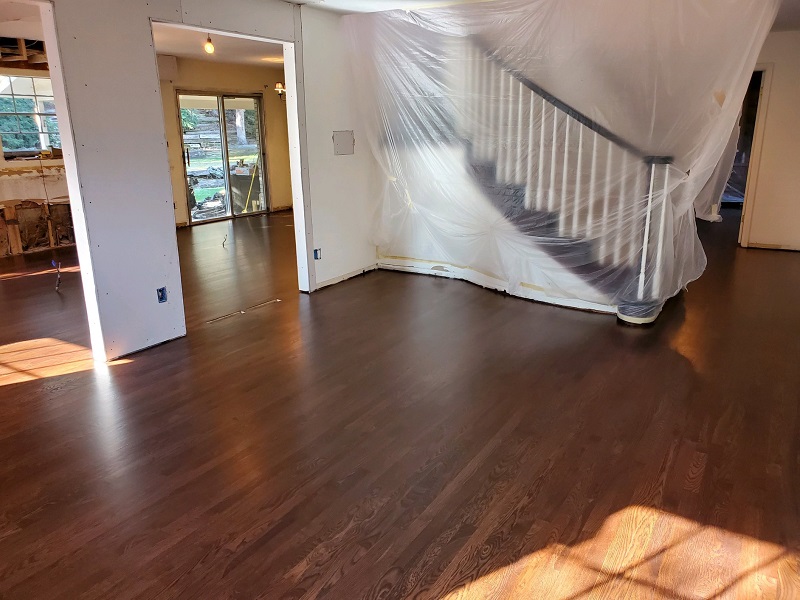
Mock, whose contracting company is small enough that he only takes on a few projects each year, was hired to build a deck this summer. Mock struggled to obtain wood, with multiple trips to lumber yards and, in some cases, resorting to purchasing a different size than he needed—and at a higher price. He lost money from his profit margin, but when asked if he is factoring in higher lumber costs for upcoming projects, he says, “I would be a lousy businessman had I not.”
Dillman, similarly undaunted, just launched a new website offering log furniture instructions and designs. He says, “you just got to roll with the changes and keep moving forward.”