


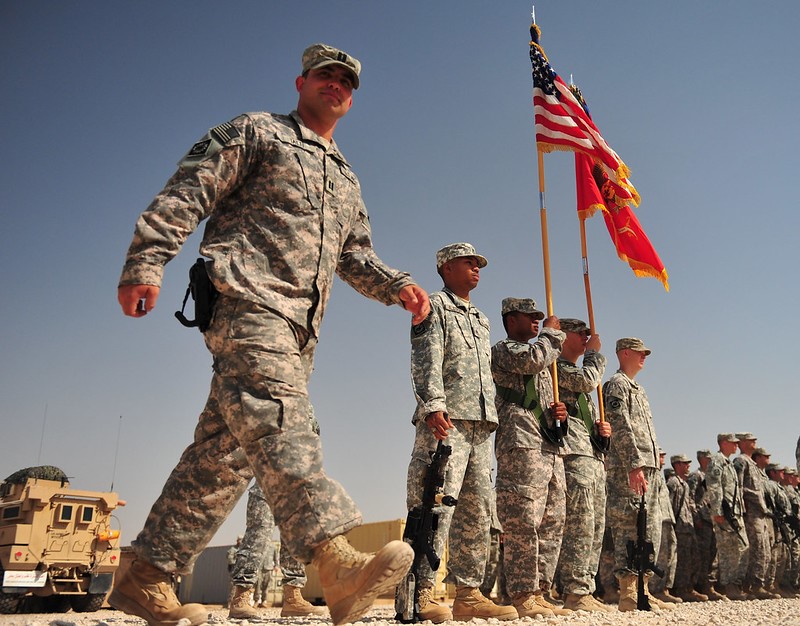
Do you know Colorado is home to seven main military installations? Colorado Springs is considered a “military city” and is home to the United States Air Force Academy, Fort Carson, Peterson Space Force Base, Schriever Space Force Base, Cheyenne Mountain Space Force Station, and countless military veterans and retirees.
With this high number of installations also comes an increased number of veterans. Indeed, according to the U.S. Census Bureau’s latest report, veterans make up approximately 7 percent of the national adult population. In Colorado, however, veterans account for more than 8.4 percent of the state’s population, and in Colorado Springs, that number is even higher at 11.4 percent, according to 24/7 Wall St.
To help give back to those who stood up for our freedom and address problems in the veteran community, Colorado’s General Assembly passed several bipartisan new laws. This includes SB21-032, “Mobile Veterans-Support Unit Grant Program,” and HB21-1065, “Veteran’ Hiring Preference.” Here’s what these bills entail and how they’ll benefit veterans.

The Psychological Cost of War
Serving your country and standing up for freedom is an admirable and worthy pursuit. However, it’s not without its drawbacks. According to the National Academy of Sciences, 44 percent of veterans who served in Iraq and Afghanistan reported problems readjusting to life after returning from deployment.
One in five experience some form of traumatic brain injury, and many report problems with posttraumatic stress disorder (PTSD), thoughts of suicide, depression and anxiety problems. Additionally, the unemployment rate for post-9/11 veterans is almost twice that of non-veterans of the same age. Clearly, this is an issue.
Helping Unemployed Vets
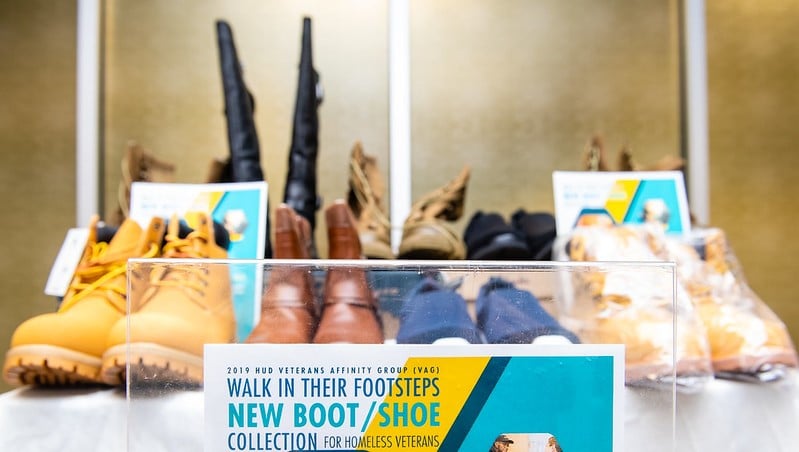
To help address the above unemployment issue, lawmakers passed SB21-032, which establishes a mobile veterans-support unit, and provides funding to veteran-owned-and-focused organizations creating the veterans-support unit.
Specifically, the grant is initially for $229,070, and goes toward purchasing a vehicle to be used as a point of contact for veterans in rural areas or veterans experiencing homelessness. The vehicle has two primary purposes:
- To transport veterans in rural areas who don’t have access to public or private transportation.
- Deliver supplies to veterans.
An additional goal of this program is to work with the Office of Economic Development and offer business and job opportunities to veterans.
However, lawmakers acknowledged that SB21-032 isn’t enough when combating veteran unemployment, so they also passed HB21-1065.
HB21-1065 gives private employers the right to preference veterans or the spouse of a veteran killed in the line of duty when hiring a new employee. However, this is specifically for post-9/11 veterans, so an employer can only prefer a veteran discharged within the last 10 years. More importantly, the veteran or spouse must be qualified for the job.
Additionally, because HB21-1065 is voluntary for employers (meaning employers don’t have to give preference to veterans or their spouses), HB21-1065 sets aside $25,000 for the Office of Economic Development to create materials educating and encouraging employers to hire veterans.
Colorado Gives Back
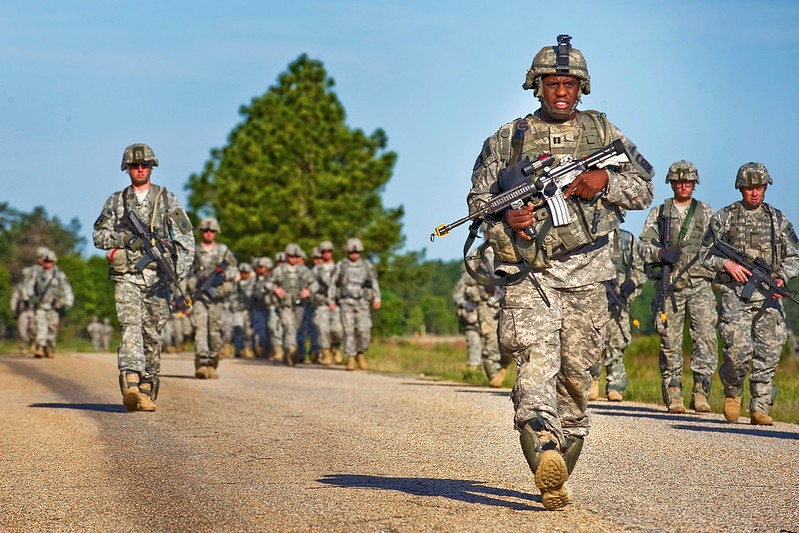
According to the National Academy of Sciences, there is an overall lack of data regarding deployment’s economic, social and health impacts. This makes it difficult to know exactly what veterans need. However, there are a few things we know.
For example, we know that Colorado is home to more than 400,000 veterans. Prior to the pandemic, approximately 6.1 percent of Colorado veterans lived in poverty. As of this writing, there is no official updated unemployment data for Colorado veterans. However, during the pandemic, the national unemployment rate for veterans increased, along with the national average for non-veterans, accord to the latest data from the Bureau of Labor Statistics.
More than 1,050 Colorado veterans are experiencing homelessness. Both of these issues are unacceptable to both sides of the legislative aisle, and Governor Polis, who, before serving as governor, founded Patriot Boot Camp (PBC) — a non-profit designed to help active duty, veterans and veterans’ spouses start their own businesses.
Consequently, both Republicans and Democrats worked to pass SB21-032 and HB21-1065, which are designed to help veterans obtain or gain access to jobs. However, these two new laws aren’t the only way Colorado is giving back. In part two of this article, we’ll look at SB21-129, a bipartisan bill aimed at reducing veteran suicides.






[…] Part 1 of The Maverick Observer’s “Colorado Gives Back to Veterans,” we looked at how Colorado is helping homeless […]