


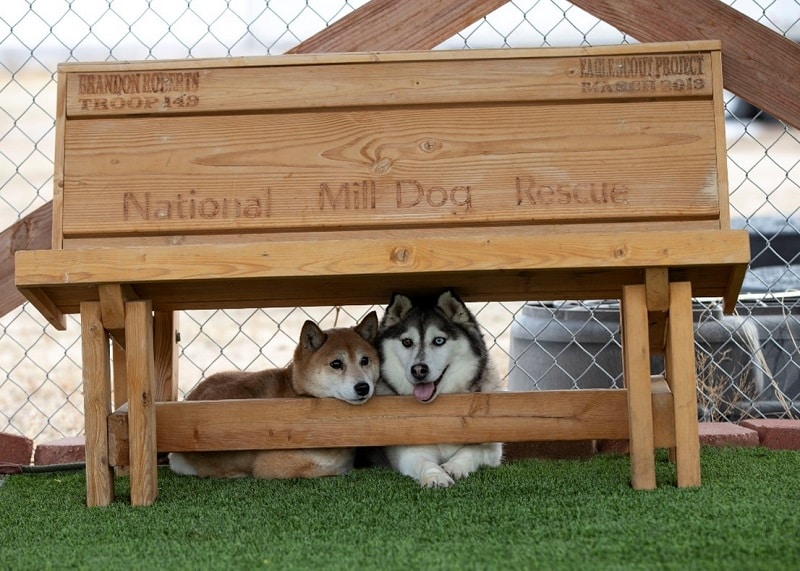
The National Mill Dog Rescue (NMDR) sits east of Colorado Springs near Peyton, and it is in this rescue that thousands of mill dogs have begun a new life.
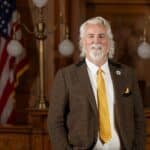
Executive Director Theresa Strader has been running the rescue since its founding in 2007 and is always happy to share the story of this inspiring organization.
The Inspiration for the National Mill Dog Rescue
Strader reports she has always had a passion for animals and their well-being, even as a young child. Back in 2007, she came across a one-sentence email on a dog-related message board. It mentioned 50 Italian greyhounds needing to be rescued, a phone number, and nothing else.
Calling that number changed her life. It rang to a dog rescue in Ohio, which had heard about a puppy mill that was going out of business in Missouri that would be auctioning off 561 dogs, including 49 Italian greyhounds (one of Strader’s favorite breeds).
The Ohio-based rescue planned to buy every greyhound there, but Strader said she would help since she knew the breed well. She was planning to bring home two or three – but ended up with more. She drove to Missouri with her 14-year-old daughter and brought 13 home.
According to Strader, “As soon as I walked into that building and saw dogs living that way, I knew I would spend the rest of my life doing something for those dogs. This organization was born that day.”
Strader came home with those 13 dogs. She says, “The ensuing weeks and months were the education of a lifetime … the dogs were so damaged physically and emotionally, it took over a year to place them all.”
The dog that had the strongest impact on the founding of NMDR was Lily. Lily was terrified of people and huddled in the corner of her cage, shivering, when Strader first saw her. She suffered from severe jaw and facial damage resulting from years of no dental care. While Lily was only with Strader and her family for 15 months before dying from those complications at only age 8, she made an enormous impact in motivating Strader to start and grow the National Mill Dog Rescue.
Strader and her husband – a nurse and post office manager, respectively – had no experience in running non-profits, and had to learn as they went. But, Strader says, “Sometimes you have to make the bold moves.”
They found their success through “hard work, phenomenal people, and a love of dogs.” They struggled in the beginning to find the right volunteer staff but have since developed a team that is devoted to helping these dogs.
Mill Dogs and Their Rehabilitation
Life in a puppy mill is not much of a life at all. Dogs are almost never socialized, and therefore become extremely fearful of humans and other dogs. They are kept in kennels or small cages that they essentially never leave. They have no idea about the outside world, and many dogs need a careful introduction to grass, dirt, stairs, people, other dogs, and everything else a normally raised dog would accept without a second thought.
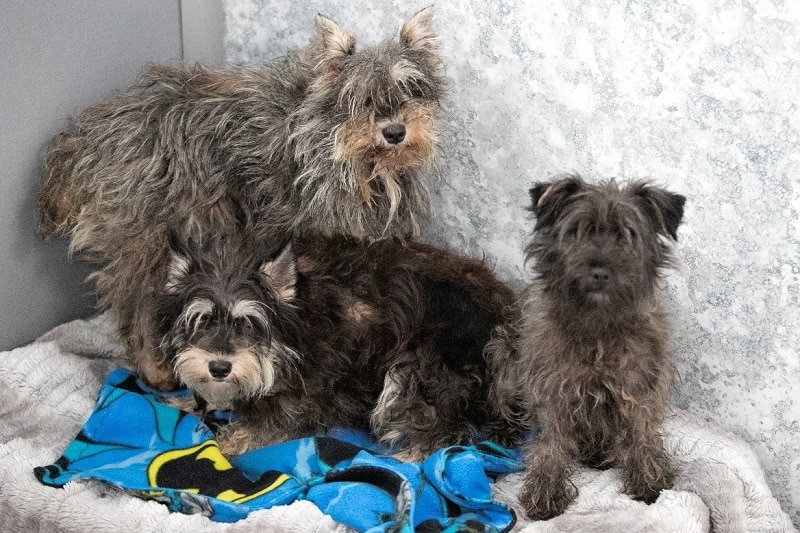
Mill dogs receive no dental care or medical care in most cases. Strader says that numerous dogs, “if they are 4 or 5 years old, they have had a lot of litters. Some have calluses on their feet from standing on the bars that make up the floor of their kennels. Many have no teeth, which is a big issue for small-breed dogs. Many have big hernias, infections in the uterus, malnutrition, and other severe medical issues.”
Dogs are often treated for tumors, eye issues, and illnesses. Some have birth defects, such as stunted or missing limbs, that can cause mobility and other issues.
Strader shared that many dogs get most if not all their teeth pulled when they arrive at NMDR, but they bounce back quickly. “Within the first couple of days, they eat better than ever, they had so much pain for so long – when you relieve that pain and that bad taste… they begin to just enjoy eating.”
Even after getting their health problems corrected, these dogs must still learn that people are safe, and that life can be pleasant. Many remain reserved around people and other dogs. Some quickly adapt.
“We learn how forgiving the dogs really are. I see them when they come out of the cage, I see where they come from.” Strader says. “They are really forgiving little creatures.”
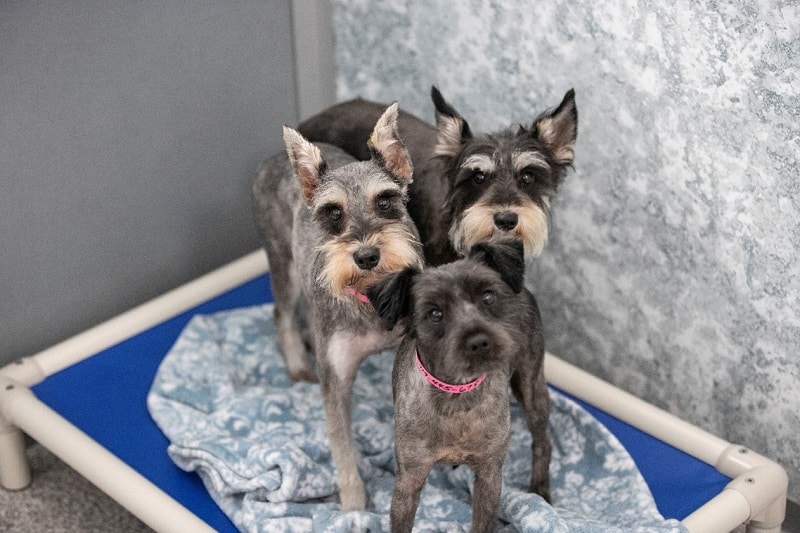
A lot of their time at NMDR involves socialization. Volunteers take time to talk to the dogs, sit in their kennels, take them on walks, and socialize with other dogs in open areas around the facility. They work patiently to ensure the dogs become used to the sights and sounds of people so that they can eventually be adopted out to loving homes where they will feel safe.
This method works. Strader was happy to share that in April of this year, 15 years since its founding, the Rescue has assisted 17,000 dogs. And that number keeps growing – in May alone, they brought in nearly 100 new dogs from mills around the country. Strader points out, that these are “some of the toughest dogs to deal with…they have had minimal socialization, minimal medical care”.
How to Help
There are many ways to help out NMDR. For those interested in adopting or fostering dogs, start at the “Get Involved” page on NMDR’s website. After filling out the application, the adoption team manager will reach out and discuss approval, and from there you can visit the facility and meet the dogs.
Staff will assist in matching you with the right dog for your personal situation and will help to educate you on what the dog may need. Some dogs may require extra conditions for adoption, such as secure fencing. In addition, anyone who adopts from the rescue is also enrolled in the lost dog’s team, which assists any dog ever fostered or adopted should they escape.
For those who would rather volunteer, there is always a need for help. Sign up online and attend an orientation. Volunteers can come as individuals or groups, and there is always work to do. Volunteers assist in every aspect of care, from walking dogs and supervising “puppy parties,” providing enrichment, assisting at outreach events, helping on social media, or keeping the facility maintained.
One popular volunteer program links children and dogs through NMDR’s Reading Program. Here, children (adults are welcome too) are paired up with dogs and will sit in their kennels and read to them.
Of course, donations are always accepted. There are a variety of ways to donate, including PayPal and an Amazon wishlist. You can also find NMDR on Amazon Smile or donate through King Soopers or a variety of online retailers.
You can purchase NMDR merchandise – including a calendar – or simply donate dog food. If you wish to memorialize your own dogs, you can sponsor a brick for the memorial garden. One fund is specifically for veterinary care, while there is also an option to donate your vehicle or to set up a monthly donation.
Finally, those interested can also follow NMDR on Facebook. Liking, commenting, and sharing their posts will help to spread the word about the work the Rescue is doing. Keep an eye out for fundraisers as well, including a benefit gala at The Broadmoor on October 1.
Any help is appreciated by NMDR staff. Strader says, “I’m a huge proponent of encouraging people to adopt their animals, speak up for animals that are already on this planet that we owe it to, that our fellow man has failed in some way in the shelter and rescue system. Speak up for animals that are already out there. It’s been an interesting journey to see how this industry works, and it has gotten better, but there’s a long way to go.”






Oh please do your research before boasting about this person. This place is horrible!
https://www.cbsnews.com/colorado/news/national-mill-dog-rescue-rule-violation-animals-healthy/