


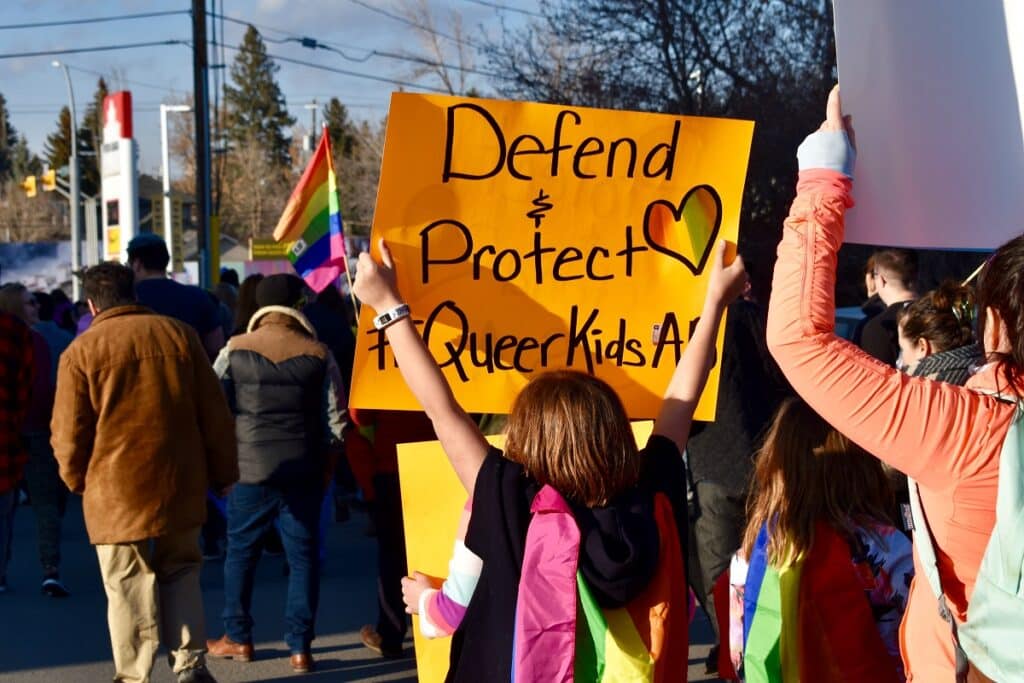
A hot topic across the realm of mainstream media outlets is the influence and impact of queer activism on children’s mental health. While this can be so broad in meaning, I think there are important distinctions to be made surrounding this.
When I was in high school, being gay or lesbian was still relatively taboo. The kids I went to school with knew of the gay or lesbian kids, but transgender and non-binary were not talked about, let alone even identified. I remember some kids using the term transvestite and transsexual which are now pejoratives and insults, but that was about it. During my junior year, a Gay/Straight Alliance club was formed, and it caused some controversy. There were upset parents, confused staff members, and some kids at the high school hurling insults at gay and lesbian kids because they were riding on the coattails of their parents’ intolerance, ignorance, and hatred. The intention of the Gay/Straight Alliance club was to bring together gay and lesbian kids with straight/heterosexual kids to increase inclusivity, understanding, compassion, and respect, however, it remained controversial at that time.
During the same year, Proposition 8 was proposed to ban same-sex marriage and passed in the November 2008 California State Court, however, was later overturned. I believe this club was formed partly in response to this proposition to provide an inclusive and safe space for kids already receiving an incredible number of hate-fueled comments and bullying behaviors at school. As I reminisce, I remember some of the high school kids yelling slurs at the gay and lesbian kids and telling them that marriage was between a man and a woman, they were eternal sinners, damned to hell, and even as bad as telling these kids they should end their lives. If only these gay and lesbian kids knew what the future would look like for them in terms of support, access to resources, and advocacy.
While advocacy, evidenced-based research around mental health, and general support are important for kids in general, there seem to be a few gray areas continuously popping up.
Drag queens carry a vivacious, artistic, and welcoming energy in their performances which can be exciting. I know this personally because I have attended a few drag shows, however as an adult. On the other hand, a lot of parents are gravely upset due to seeing drag queens performing sexually explicit dances in sexually explicit garb in front of children. It is important to note the possibility of fake and staged inflammatory videos. This has become a contentious issue, ultimately, due to parents feeling their values were not being considered in including drag queen events in the school system, regardless of appropriate or inappropriate performances and attire.
Another gray area and possible point of contention is the inclusion of LGBTQPIA2S information in school systems to help children understand the nature of these terms and how other children may personally identify. While some parents, especially parents who have children who have come out as gay, trans, non-binary, etc., feel this is supportive for their children, reduces stigma, and increases positive mental health, other parents feel the opposite. They feel that their children are receiving negative, inappropriate, and sexual influences that cause confusion and worsen mental health.
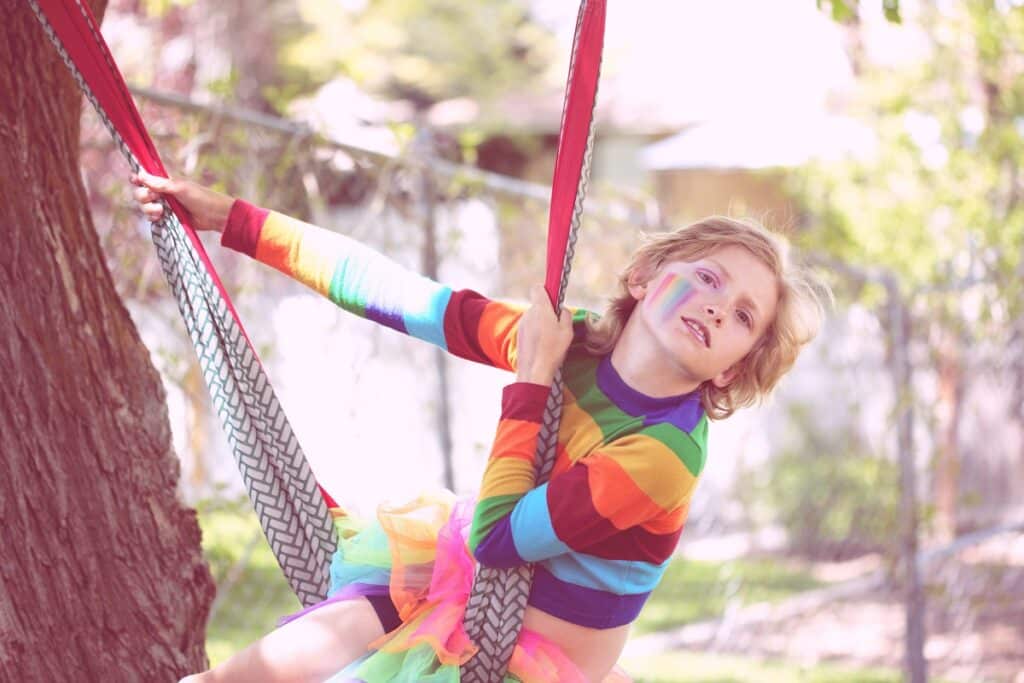
So, how do we create an inclusive atmosphere for our children in our communities where everyone feels safe, supported, and respected? What is the true impact of queer activism on children’s mental health?
I think the answer lies in the freedom of choice and personal perspectives.
Freedom of choice and perspective for schools, freedom for programs, and freedom for parenting are what shape the foundation of our country. We can’t shield children from everything in this world, and we can’t gain access to every support or resource to ever exist either, but all parties involved should remember the matter of freedom in perspectives and choices.
As a therapist, I have supported parents and children with varying belief systems across the board. I have worked with highly conservative Catholic families, and I have worked with highly progressive families. I keep my personal beliefs to myself and do my best to operate within the framework of family strengths. These strengths may include communication, connection, support of one another, and how personal values are reflected in actions.
If I notice some beliefs of the parents to be particularly harmful to the child I am working with, I am careful to continue keeping my beliefs to myself, while also pointing out the harmful nature and pointing the parents to new perspectives and ways of thinking or acting that positively increase their child’s mental health.
Ultimately though, parents and families have choices around their belief systems and the influences that follow, and it is important to help folks remember that, regardless of what they are seeing on social media, hearing about through the news, or discussing through the parent/family grapevine of information.







The article doesn’t address what the headline proclaims.
Hi there!
The answer is that we don’t really know what the impact is because each family is different when it comes to their choices and parenting styles. For some families, they feel more supported and are able to access greater resources. For other families, this may not be the case. Does that make sense?