

How does the restaurant industry stay afloat without letting customers in the dining room?
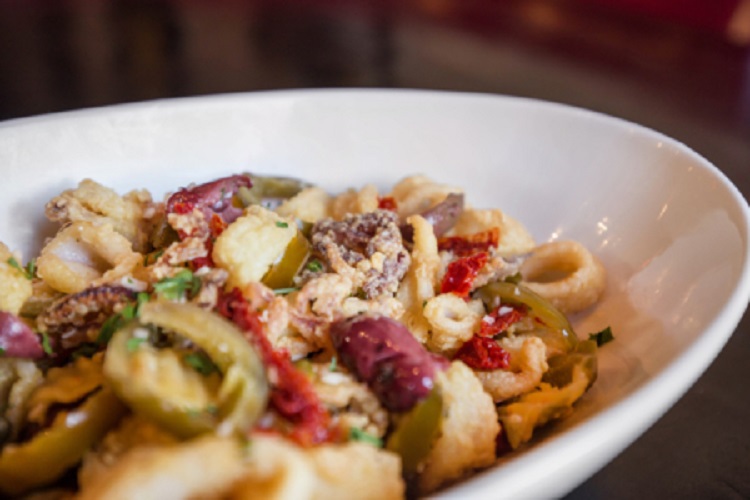
Over half of the food in Colorado is supplied by the restaurant industry. Or was.
The Fate of Dining-in at your Favorite Restaurant
But as Coronavirus (or COVID-19) case numbers climb in Colorado, state and local governments are taking unprecedented steps to separate citizens, including a now 45-day ban on dining-in, which is in effect until at least April 30.

“[We] got the word and within minutes we had to decide. ‘What are we gonna do?’” says Franco Pisani, Chef Owner of Paravicini’s, a popular Italian restaurant in Old Colorado City. He says that in his 30-plus years in the restaurant industry, he’s never seen a situation like this one.
Trying to lessen the burden on the restaurant industry, the state government worked quickly to temporarily lift business regulations. For now, restaurants can include alcohol in a to-go order. Whereas normally it’s illegal for a restaurant to put an Old-Fashioned cocktail in your doggy bag, now staff can do so provided the drink is in a closed container and the order includes food.
Regulations around bulk sales have also been temporarily suspended, allowing restaurants to sell off surplus materials—ingredients, perishables, and even cleaning products or toilet paper—to keep money coming in the door until the scheduled end of the dine-in ban.
Restaurant Challenges Spark Creativity
And restaurants are stepping up to the challenge by getting creative. Franco has been selling DIY date-night kits and family-size Italian dinners from Paravicini’s. On March 25, the restaurant hosted an online cooking class, where customers who had pre-purchased ingredient kits from the restaurant tuned in to make dinner with Chef Franco: Steak Pizzaiola, a pan-fried rib-eye steak and pasta dish with the restaurant’s signature marinara.
A visit to one of these to-go restaurants is now as simple (or as inconvenient, depending on your perspective) as phoning in an order and parking in a designated curbside to-go space to wait for the kind of meal you would usually get in-house: ethnic food, steak dinner, Italian cuisine, you name it.

Changes like these, while inconvenient for restauranteurs, may alter the landscape of restaurant eating even after the Coronavirus subsides into a nightmarish industry memory. Greg Howard, President of the Colorado Restaurant Associations’ local chapter, predicts that to-go will gain in popularity. As customers get used to a curbside burger and fries, he says, restaurants may see requests to keep curbside options even after the dine-in ban is lifted.
But despite best efforts to help this massive industry survive, the tumbling economy is taking a toll. “No matter what restaurant it is, people are getting laid off,” says Greg Howard.
Crashing the Unemployment Website
In the first week of the crisis, the amount of Colorado workers filing for unemployment crashed Colorado’s unemployment website. Howard has been advising out-of-work restaurant staff to apply online at odd hours of the night (maybe if they try at 3 a.m., they’ll get through).
While many restaurants have temporarily converted to curbside pick-up or market distribution, some just can’t stay open until the April 30 deadline. For example, the Waffle House has closed some of its restaurants. As of March 27, 418 closed with nearly 1,600 remaining open. All locations have closed in Colorado Springs except the Fillmore and I-25 location for take-out orders only.
For reference, the chain is so famous for staying open that disaster specialists coined “The Waffle House Index,” an informal measure of the severity of a natural disaster. According to the “Index,” if Waffle Houses are closed, it’s a very bad sign.
When it comes to increased sanitation in the face of the infectious disease, Howard says, “The general public doesn’t know how serious we took [sanitation] before this crisis.” Extensive disinfection practices are the norm in the industry, so while restaurants are being more conscientious than ever, careful sanitationis business as usual.
Support with Gift Certificates
Aside from ordering to-go, residents looking to support the food and drink industry can buy gift certificates to restaurants. After coronavirus subsides and customers can dine-in again, a celebratory meal may be in order.
In the meantime, the outpouring of community support has been “unbelievable,” says Franco. While the coronavirus has hamstrung nearly every type of commerce in the U.S., the restaurant industry’s attitude is one of tenacity and camaraderie.
Howard says, “I have faith in the community – we’re all in this together.”
Editor’s Note: In light of the coronavirus precautions of social distancing and stay at home order, the state of restaurants in our city changes rapidly as businesses decide their future. Please continue to support your local restaurants until we can all dine together again.