


The love of cookies is universal. From Macau to Buenos Aires to New York to Cairo, each place has its cookies with its own unique identity and taste. Brooke Orist, the owner/operator of Sasquatch Cookies, has lived much of her life in the nonprofit world traveling the globe before returning to her home in Colorado Springs to bring her experiences into the culinary dessert realm.
Cookies mix chemistry and history
Orist has a degree in anthropology and a master’s in Arabic. She worked in Egypt for many years. Much like her research on ancient cultures, cookies, as an art form, is about the right taste in the right place. In finding the right cookie recipes for Sasquatch, Orist says she took time to experiment.
For example, Sasquatch’s chocolate chip cookie recipe requires just the right amount of chip-to-dough ratio to make it work. When Orist was doing research amongst friends and family, she tried to find what people would be most interested in. “We came up with the double-chocolate cookie, really making sure we use Dutch-refined cocoa for it. And you can’t buy that at the grocery store. You have to special order it. So just trying to get good ingredients that make exceptional products.”


“Cookies are so different from cakes, other pastries, or bread. If you put some kind of liquid in it, it will affect it. If you put fresh fruit into a croissant or something, it will change the way it bakes but not quite to the extent that it does with a cookie.”
Orist says it is essential to watch the moisture content because it affects the flavors. “That’s the greatest challenge. And it’s something I did not predict.”
Orist didn’t go to culinary school, “I’m trying to learn as I go.” The chemistry of the mixes she uses is a specific approach. “So, if I put fresh fruit in a specific cookie, I now have to increase the flour content, so it doesn’t just come out like a total wet blob…because if I do that, it instead tastes like bread or a weird cake than [an actual] cookie.”
Finding the right balance, she says, is really a lot of trial and error eventually resulting in the need for more boutique-style ingredient sources that cannot be found in stores.
The power of sugar
The biggest takeaway for Orist in making the best cookie is the sugar ratio. “What you do with white sugar and brown sugar determines how quick or how fast the cookie bakes.” For her, it is about figuring out the ratio of each cookie and then assessing the correct mixing time. Cookie dough, she laughs, is very temperamental.
“If you over-mix it, you’re going to have a totally flat-like, crunchy cookie, which some people really like but that’s not really the type of cookie that we have here.”
Orist says if the dough is under-mixed, the butter won’t fully incorporate into the cookie. “You’re going to get weird globs and that doesn’t bake well.” It is about finding “the sweet spot in the chew that is fully incorporated but hasn’t been overmixed.”
Orist’s experiences in anthropology have given her a unique view of her cookie business. “Food is what draws people together.” A takeaway for her, especially in this business, is that cookies are usually not the main meal people are eating. People who are sending or receiving cookies are usually doing it as a gift, which has been a particular boon for the business during the pandemic. The thought process that goes with cookies becomes: “I really want to enjoy something right now.” She sees her customers as joyful people in that way, “very much givers.”
Specific geographical palettes
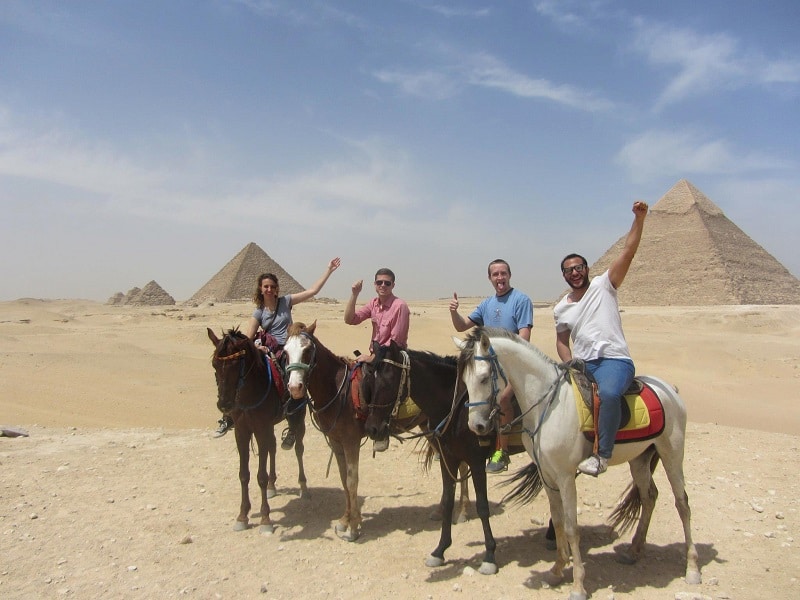
Cookie palettes are also changed based on geography. Orist explains that her travels with nonprofits, especially in Egypt, presented her with different flavor ideas that, had she been purely influenced by Stateside, she might not have thought of.
One example from Egypt is a lemon and mint drink called Lemonana, which is popular there. The drink is fresh mint and fresh lemon juice blended in a puree. Orist initially tried to create that as a cookie flavor here. “It was not popular,” she laughs. “But if I did that cookie in Egypt, people would go bonkers.”
That said, Colorado Springs has a wide audience, and Orist has been amazed by how much of a foodie culture there is here. She does one or two new cookies seasonally. On a rotating basis, one is “iced” (frosted) every week, and the other one is un-iced. The iced cookies are served cold while the rest are served warm. One of the most popular has been German Chocolate Cake, “You’re getting that gooey chocolate German cake filling on top.”
Cookies as comfort
Another popular item at Sasquatch is the Monster Cookie, which Orist explains is a flour-free, oat-based cookie. “You have to melt the butter for that cookie before you can put it in the oven. It changes the result if you melt it or unmelt it. The sugar ratios are then completely different.”
“If the amount of oats is slightly off, or if it is messed up even just a little bit, it becomes like a weirdo cake or something.” Through experience, Orist found that this specific cookie really spoke to people, especially Midwesterners, because it was comfort food that they had grown up with that their grandmothers made.
Recently, Orist did a blackberry champagne cookie. This was not without challenges, “If you blend champagne the wrong way, all the bubbles come out and it doesn’t really taste like anything. But if you incorporate champagne into your icing so it actually holds, it really works.”
Chocolate chip is still, by far, their best-selling cookie, “People just like those classic comfort foods that they’ve grown up with that they [love and] know.”