

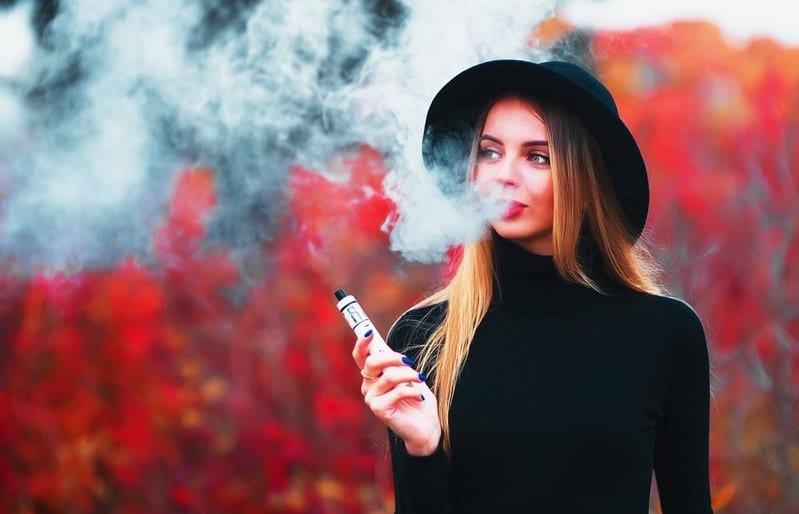
Teen tobacco use is on the rise and poses a serious health concern.
According to recently released findings from the 2021 National Youth Tobacco Survey (NYTS), the number of middle and high school students using tobacco products has exploded over the past few years — approximately one in 10 U.S. middle and high school students used a tobacco product during the past 30 days.
Considering commercial tobacco use is the leading cause of preventable death, disability and disease, according to the Centers for Disease Control and Prevention (CDC), this increase is a serious public health concern.
To address that concern, a bipartisan group of Colorado legislators introduced House Bill 22-1064, “Prohibit Flavored Tobacco Regulate Synthetic Nicotine,” to the House in January. Here’s what happened after the bill’s introduction and where it stands now.

Teen Tobacco Use on the Rise as Companies Market to Kids
According to the NYTS study, teens perceive that intermittent use of e-cigarettes cause “no harm or little harm,” and over 70 percent of middle and high school students experienced exposure to e-cigarette marketing. In fact, in 2019, the CDC found that tobacco companies used advertising and promotions to influence youth to start using tobacco.
The American Lung Association reported that tobacco companies called youth their “replacement smokers” and used candy and fruit flavorings to get kids hooked. Pointedly, this advertising is working.
The NYTS report states that in 2021, 34 percent of high school students and 11.3 percent of middle school students reported using a tobacco product – 11.3 percent of high school students and 2.8 percent of middle school listed e-cigarettes as their tobacco product, making e-cigarettes the most commonly used tobacco product.
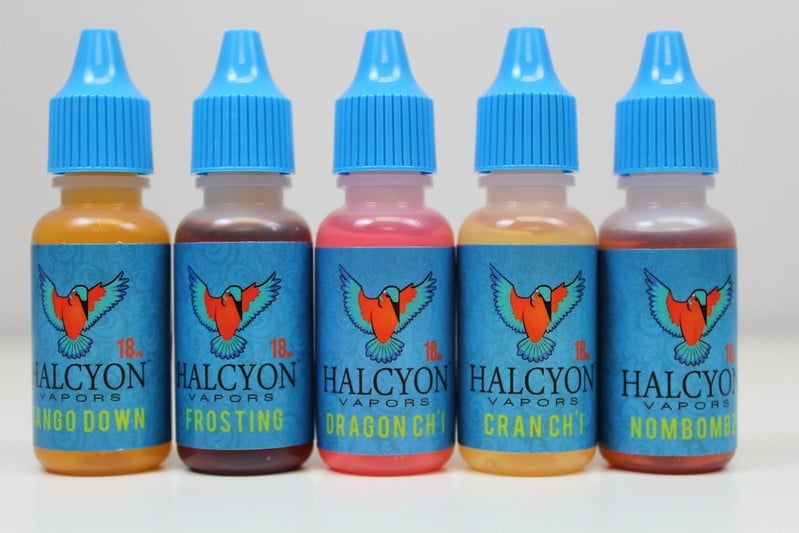
To put the above numbers into perspective, 1.72 million high schoolers and 320,000 middle schoolers reported using e-cigarettes. The study also found that among the youth who use e-cigarettes, 85 percent reported using flavored e-cigarettes.
A report from the Health District of Larimer County found that e-cigarette use is increasing in Colorado’s youth. In 2019, almost 26 percent of high school students reported using e-cigarettes. Clearly, this problem merits a response, and Colorado lawmakers did just that.
Working Across the Aisle
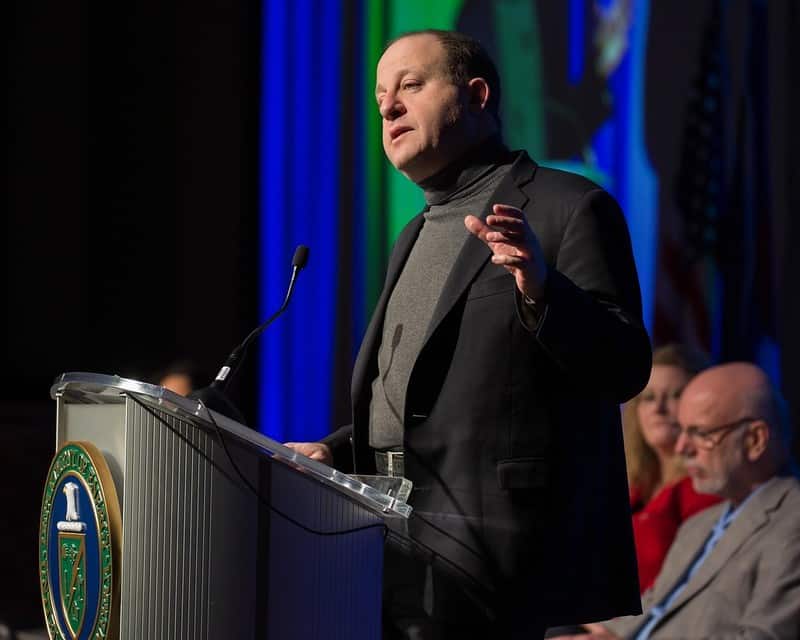
In January, representatives Kyle Mullica (D-Adams) and Jennifer Bacon (D-Denver) teamed up with senators Kevin Priola (R-Adams) and Rhonda Fields (D-Arapahoe) to introduce HB22-1064.
If passed, HB 1064 would’ve banned the sale of flavored nicotine products in Colorado and amended the definition of tobacco, nicotine and cigarette products to include products that contain synthetic nicotine. It would’ve also established a grant program to help communities disproportionality impacted by tobacco and nicotine establish cessation efforts.
Rep. Mullica said of the bill to Denver 7, “We see a whole generation now becoming addicted, and that’s unacceptable. So, we want to do something about it.”
Even though the bill had bipartisan sponsors and support and addressed a public health concern, Gov. Polis stated he didn’t support the measure. Polis’ official reason for not supporting the measure was because he preferred local regulatory approaches. But, the Colorado Sun reported that the real reason might have to do with Proposition EE and one of Gov. Polis’ top priorities — funding universal free preschool.
Preschool vs. Health Concerns
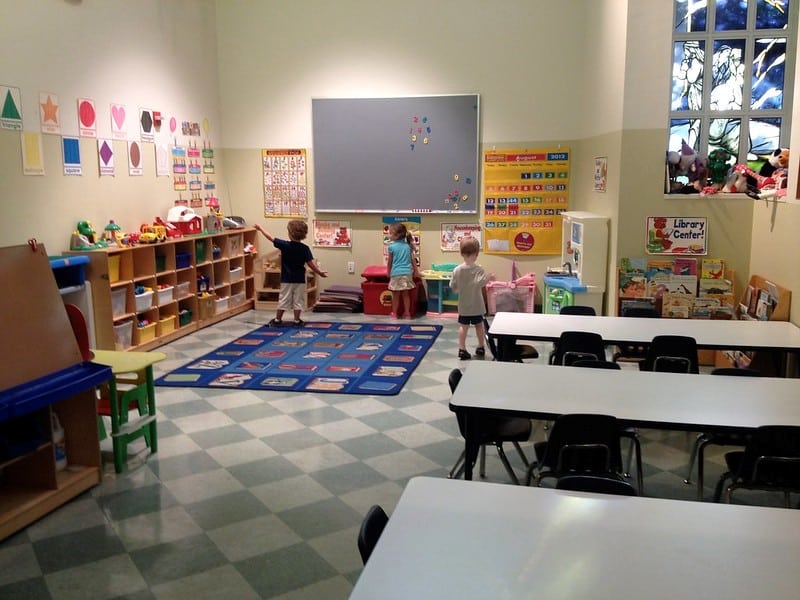
In 2020, Polis negotiated an agreement with tobacco giant Altria (think Marlboro) to pass Proposition EE, which taxes tobacco products at a rate of up to 22 percent. And in Jan. 2021, Proposition EE went into effect, with the proceeds going to the state’s universal free preschool program.
If HB 1064 had passed, it could’ve cost the universal preschool program up to $25.2 million in annual tax revenue, according to the Colorado Sun. Plus, Altria spent $149,000 lobbying against HB 1064.
In response to the potential lost revenue for the preschool program, Rep. Marc Snyder (D-El Paso) stated, “It’s not hard to see that that’s on a collision course. The more successful you are at accomplishing the social and health policy, the less revenue you have.”
Sin Tax Wins
On May 4, HB 1064 passed the House with bipartisan support — it received 54 “Ayes” and only 8 “Nos.” However, Polis signaled his opposition to the bill, and when HB 1064 reached the Senate appropriations committee, it was postponed indefinitely.
The good news for those who want this measure passed is that the coalition fighting for this ban vowed to try again in 2023. Further, Senate President Steve Fenberg (D-Boulder) said he supports the bill, and if it’d come to the senate earlier, he would’ve backed moving it forward (the bill wasn’t heard in the senate until almost the end of the 2022 legislative season).
Still, given Polis stated opposition to the measure and his desire to fund a universal free preschool program, there’s room for doubt that a similar effort could pass and be signed into law if Polis is still governor in 2023.