


Vapers and your Kid’s Education.
Historically, Coloradans have been hesitant to pass new taxes to support education initiatives. In 2013 voters rejected Amendment 66. In 2018, they rejected Amendment 73, and in 2019 voters shot down Proposition CC.
However, in November 2020, Colorado voters broke with tradition and approved Proposition EE, a new tax on cigarettes, smokeless tobacco, and vaping products. This was a significant win for Governor Polis, as the taxes from Proposition EE will go toward funding universal free preschool — something Polis campaigned on as one of his top priorities.
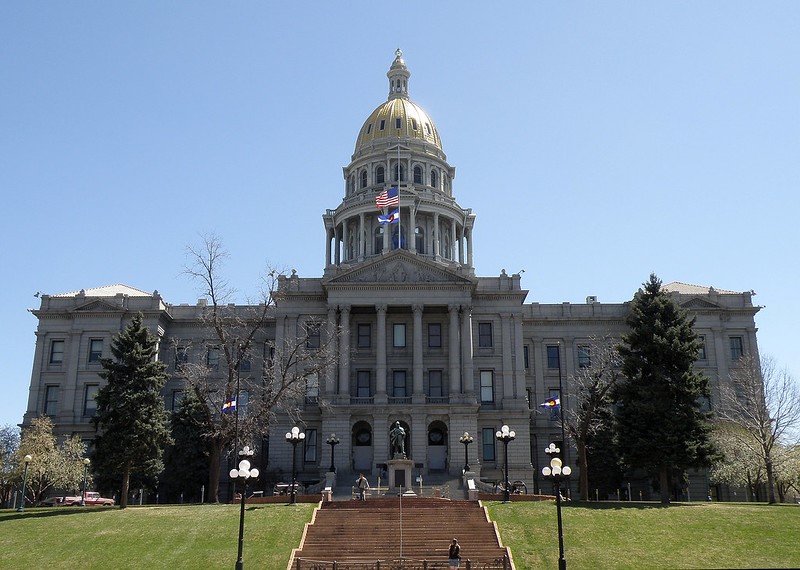
To that end, at the beginning of May 2021, Polis unveiled House Bill 21-1304, a bipartisan bill that would establish a stand-alone state department dedicated to early childhood programs. More importantly, on June 7th, 2021, the House and Senate passed HB21-1304, and it’s now headed to the governor’s desk, where Polis is expected to sign it into law. This is a big win for Colorado parents, and here’s everything you need to know.
Proposition EE – Taxes on Vapers
According to the Colorado Department of Revenue, before the passage of Proposition EE, Colorado didn’t have a tax on vaping products, and the tax on cigarettes was 4.2 cents per cigarette.
But with Proposition EE‘s passage, which went into effect January 1st, 2021, taxes on cigarettes will increase incrementally until 2027, for a final rate that’s more than triple that of 2020. Plus, all vaping and tobacco products will be taxed at a rate of up to 22 percent of the manufacturer’s list price.
Importantly, this increase in taxes will result in an additional $294 million annually, with most of the proceeds going toward statewide universal preschool, starting in 2023 (in 2024, vaping and smoking cessation programs will get a small amount).
Even better? This tax allows for a major expansion of Colorado’s publicly funded preschool programs — in 2023, all Colorado children will be afforded 10 hours a week, minimum, for preschool. Children in low-income families will have access to additional programming. But how will parents and providers access all these funds?
Current confusion
Colorado currently has several state and federal programs designed to help parents afford preschool and early childhood programs. Different departments like the Department of Education, the Department of Human Services, the Department of Public Health and Environment, and the Department of Health Care Policy and Financing manage each program.
For example, the Colorado Department of Education manages the Colorado Preschool Program (CPP), a state-funded early childhood program that helps provide funding for at-risk children. Then there’s Head Start/Early Head Start, a federal program that provides education and early childhood program funding for low-income children.
The problem with the current system, however, is that while there are a number of programs available for providers and parents, they’re not all centered in one place and have different requirements and deadlines. This means people who want to use these funds have to navigate separate government programs, which can be complex and confusing at best, according to Chalkbeat Colorado. Moreover, in many cases, if a parent wants to switch schools or programs, the funds don’t automatically follow the child, so the parent has to reapply.
The goal for the new state department, called the Department of Early Childhood, is twofold:
- Consolidate programs and services for children making it easier for parents and providers to access funds for early childhood education.
- Develop a plan to implement the preschool program made available by Proposition EE.
Simply put, establishing a stand-alone state department for early childhood education would reduce some of the current barriers by streamlining the process for accessing funds. It would also establish a working preschool plan allowing all Colorado preschoolers access to early education, not just those with parents willing and able to navigate separate government programs.
What this means for parents
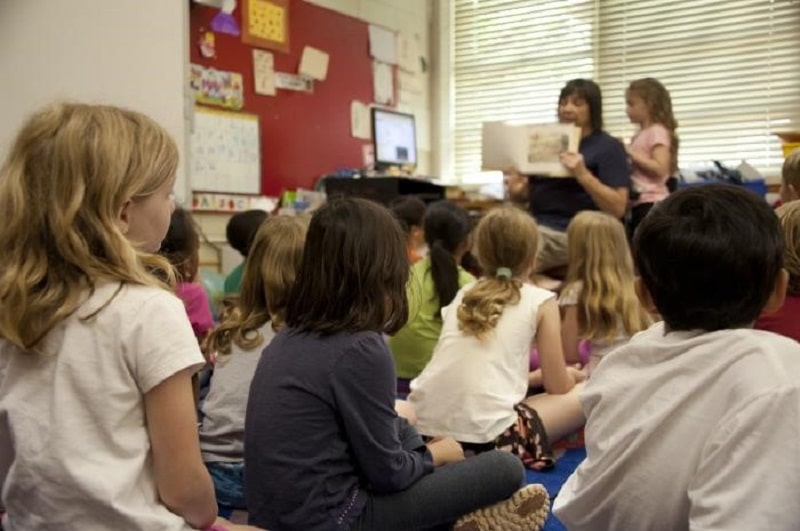
When it comes to preschool, the research is clear: children who participate in preschool have advanced literacy and language skills, are more likely to graduate from high school and go on to college, are more likely to succeed in their careers, and have advanced social-emotional skills, according to Rasmussen University in conjunction with the Department of Education. Unfortunately, accessing preschool has proven challenging for those without the means to pay for it in the past.
As of this writing, HB 21-1304 has passed both the House and Senate, and Polis is expected to sign it into law shortly. But, it won’t go into effect until July 1st, 2022. Once it does go into effect, the new Colorado Department of Early Childhood will create a plan for early childhood programs to transition to the new department and develop a plan to implement the new preschool program made possible by the passage of Proposition EE.
Consequently, starting in July 2022, Colorado parents will have expanded access to high quality, affordable early childhood opportunities, and they won’t have to navigate numerous government agencies to access these opportunities for their children. As such, the passage of HB21-1304 is a win for Colorado parents.






[…] insurers, hospitals and health care providers to reduce premiums by 15 percent by 2025. Plus, they successfully passed HB 21-1304 in support of free universal preschool, which was made possible by the passage of Proposition […]