



COVID-19 restrictions have parents making hard decisions about children’s education and going back to school.
“I’m a bit overwhelmed,” says stay-at-home mother of three Kelly Schaffer.
Planning for the Upcoming School Year
A satisfied Grand Peak Academy parent, Schaffer had planned for her children to attend a charter school through high school. But now she finds herself in a situation she never anticipated.
Schaffer does not want her fifth-grader and second-grader to return to school wearing masks and social distancing from their friends. “I wanted some normalcy, which they’re not going to get from school at this point,” she says.
Exposure to COVID-19
Kristina Parks, mother of a third grader and a kindergartener in Colorado Springs District 3 who works as a hairdresser, is most concerned about what will happen if a child at the school gets sick.
“When, not if, but when, they get exposed [to COVID-19] does the whole class have to quarantine? Do the siblings have to quarantine?” asks Parks. Her mother works with an elderly at-risk population, and Parks shudders at the idea of repeatedly quarantining her family of four due to illness in one child’s class.
When schools around the state closed in March, teachers had just days to transition their classroom-learning environments to remote learning. For many parents and students, going to a fully online school experience was inadequate.
Grand Mountain Valley Elementary School sent Kimberly Nielsen’s then-second grader and kindergartener home with packets of worksheets in lieu of the rest of the school year. Nielsen, a foster care home supervisor, began working from home and helping her children with schoolwork. She says, “…It was just horrible. The kids were so miserable.”
Homeschooling Kids with Medical Conditions
Mother of three elementary school students Tricia Stolinas is concerned about her middle child’s immune system issues. She herself suffers from severe asthma. “I didn’t want to send them to school and then have them bring [COVID-19] home to me,” she says.
The sheer unpredictability of the situation is overwhelming. In recent weeks Colorado Springs school districts have gone from pushing back opening dates to enrolling students in e-learning, asking for flexibility and agility from parents. “There are so many uncertainties right now that it’s just not worth the stress,” adds Parks.
Schaffer’s solution? Homeschooling. Her children are enrolled at Grand Peak Academy for now. But as soon as she finalizes a curriculum plan she intends to pull them from the school.
“I would say half the parents are not going to be sending kids back, at least not until there’s a more definitive road forward,” predicts local homeschool consultant Lori Brevik, who has a PhD in educational administration, research, and policy studies. She describes the last few months as a “virtual explosion of need with homeschool development.”
Many parents, too, are rejecting both homeschool and traditional school and opting for an education model that, until recently, was totally unheard of: pod learning.
Home-based Microschools
According to FEE.org, pods are “home-based microschools that allow a handful of families to take turns teaching their children or pool resources to hire a teacher or college student.” In Facebook groups and on Nextdoor.com, Colorado families are scrambling to coordinate locations, contract teachers, and finalize schedules so that their children can learn in these small groups without going to school at all.
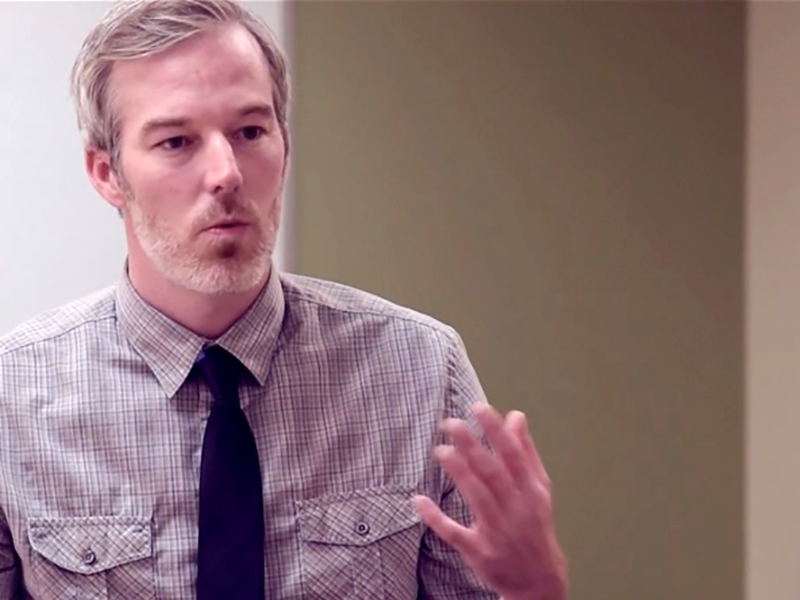
“We have had a ton of demand in such a short amount of time,” says Matthew Ozea, co-founder of FLOW Education, a pod-learning startup in Denver. FLOW just came onto the pod-learning scene, but already Ozea has agreed to teach a pod with tentative plans to open to other students later in the year.
Denver realtor Megan Harper’s preschooler will be in a learning pod starting the 24th. She and the other pod-parents found a teacher who, as caretaker to an immune-compromised parent, can’t attend a public school during the COVID-19 crisis.
The three-hour a day learning pod, followed by a nanny shared with another family, will cost just shy of $500 a week. But Harper, whose husband also works full-time, feels forced to take on the cost.
Harper considers her family privileged to have the option, but pod-learning was not her first choice. She clarifies, “This is a temporary crisis solution for our family.”
Stay tuned—next: how educators are working to meet the needs of parents and children in the health crisis.






[…] Educators serve Children and Families during COVID-19 […]