


Continued: part two of our series on reopening schools during the COVID-19 crisis.
Educators serve Children and Families during COVID-19
“It’s just going to be a team sport, as far as cleaning and disinfecting goes,” says Jeff Yocum, Operations Director for The Vanguard School, an award-winning charter school in Colorado Springs.
Educators Prepare for Challenges
As children return to school during the COVID-19 crisis, educators prepare for the unprecedented challenge of teaching children during a pandemic.
“The most important thing, clearly, is the health and safety of our community,” says Yocum. But social distancing measures and distance learning put a strain on what schools do: educate.
“When you take away the student-teacher interaction, it’s a fundamental shift in how we do our business,” says Yocum. For over 25 years, The Vanguard School has prided itself on a technology-free education. Students handwrite assignments in the younger grades and teachers avoid in-classroom technology use.
But with grades 7-12 distance-learning until Sept. 10, The Vanguard School has moved previously technology-free classes entirely online. Yocum explains, “We’re really evolving as the environment around us evolves.”
Distance Learning in the Fall
Shauna Hershberger, who teaches eighth grade at Grand Mountain School, says, “I think [distance learning] is going to be more structured and effective this fall.”
Hershberger explains that when schools closed suddenly in March, many teachers had only 24 hours to prepare, crippling their transition to distance learning. “Now we’ve had time to learn from our mistakes,” she says.
Like The Vanguard School, Grand Mountain School’s older grades do not return to in-person classes until mid-September. Until then, Hershberger teaches online. She spent the summer preparing with colleagues and administration to make her online classes engaging and effective, and Hershberger now considers herself far more prepared than she was in March.
While older grades in multiple districts start remotely, younger grades in many schools are returning to in-person classes first. Marisa Honeycutt’s fourth grade class at Webster Elementary started class on Aug. 24.
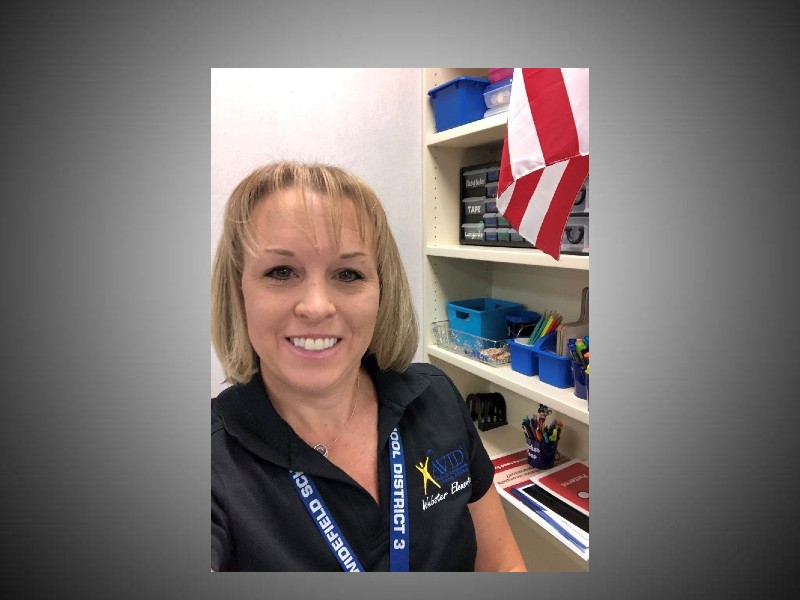
In the classroom, Honeycutt expects her 9- and 10-year-old students struggling with social distancing requirements. She explains, “The masks will be…difficult for them to wear…the fact that they can’t really touch each other or get in each other’s space is going to be difficult, because that’s what kids do.”
Changing between Reopening Schools & Online Classes
But the greatest challenge for public schools may be changing between in-person and online classes. Since any student or class that comes into contact with COVID-19 must quarantine at home for 14 days, public school classes could go from online classes to in-person instruction—and back again—multiple times this year. Says Hershberger, “Being flexible is going to be key.”
For families who choose not to send their children to class, public schools throughout Colorado are offering distance or e-learning for the entire schoolyear as an alternative. But distance learning poses its own threat: falling behind.
Tutor Doctor in Colorado Springs and Castle Rock is helping distance learners stay ahead of the curve. “Helping students not fall behind is essential,” says owner Marie Parsons.
Pod-Learning
This year, Tutor Doctor families may choose to get help with public school distance-learning curricula by cost-sharing a tutor with other families in a learning pod. Parsons says they will help support learning by supplementing materials from classes and reinforcing lessons.
Matthew Ozea, co-founder of FLOW Education in Denver, hopes to use pod-learning to surpass traditional class-content standards. “The overall aim and goal [of FLOW] is bigger than stopgap pandemic education,” says Ozea. He explains that the FLOW model is an enrichment model, “going above and beyond what a standard textbook is going to teach.”
Many families are rejecting public school entirely during the pandemic, rushing to put together homeschool curricula over summer break. Lori Brevik, head of Brevik Homeroom, helps families design curricula and make education decisions, providing her services on a sliding cost scale or at no charge.
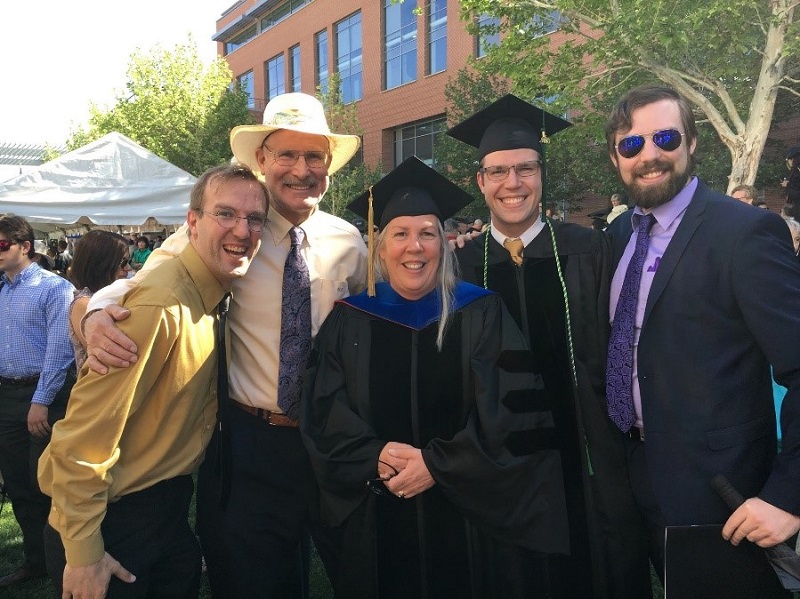
During the last few weeks, Brevik, who has a PhD in Educational Administration, Research, and Policy Studies, says that parents have contacted her on a regular basis, all asking the same questions: “’What do I do?’ ‘Where do we go?’” For these families, Brevik offers both information and encouragement. She says, “The first thing I tell folks is, ‘it’s going to be OK.’”
As educators and families in the Pikes Peak Region balance health and education quality concerns, educators help families navigate uncharted territory. Says Yocum, “It doesn’t mean we can’t do it in an excellent way, it’s just different.”


[…] COVID-19 restrictions have parents making hard decisions about children’s education and going back to school. […]