


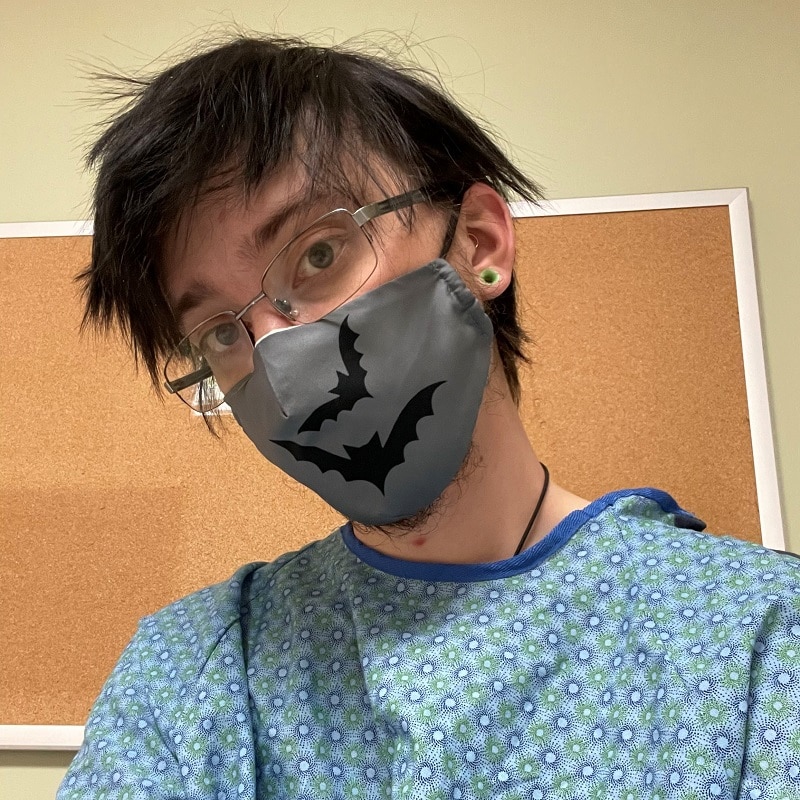
Note: This has been written based on personal cancer experience.
The Cancer Battle
When you hear the news that someone close to you has beaten cancer and survived their fight, it’s safe to assume this is life-changing and enlightening. There are tears, hugs, everyone is happy. The survivor is elated and relieved. But, during celebration, we don’t immediately think to look behind the smile.
Cancer is as equally destructive as it is terrifying, not just for the person who has been afflicted but for their loved ones as well, and it can be easy to focus on how these situations make the survivor feel, rather than everyone else.
We must remember that, while these situations are difficult, it can be unfathomable to imagine how the survivor must feel themselves. They wake up and do their best to go about their day with the thought in the back of their mind that they are dying. There are so many questions floating around for them as to how much time they have, what it’ll mean for their loved ones, but an extremely common one is: Can I beat this?
And the day comes when they finally receive the best news possible, they defied the odds and beat cancer. This is when the support of loved ones matters the most though, because there is a fight after cancer that has been waging in the mind of every survivor one way or another.
Survivor’s Guilt
John, a pseudonym, battled cancer not once, but twice, and along the way he met several people he become close with. Despite the lengths they all went to survive, many did not make it.
John would wake in the night from terrors, all the faces of the people he had fought alongside were in those dreams. He would wake with a start and feel an immense amount of guilt deep within him that, as he described it, felt sickening.
He questioned why he was so fortunate as to have survived, but not those around him. It weighed on him day in and day out. The dreams, the guilt, the simple desire to just sit and talk with those people one more time to know they were OK.
He tried talking to those around him, but it felt as if everything he said fell on deaf ears. They would just remind him how fortunate he was, but disregard everything else as less important. As if everything he had been feeling was not significant.
Eventually, as John stated, he was able to work through those feelings and find a path where he felt like he was able to appreciate everything again. But, even sitting there, it was apparent the pain was still there, he still had work to do.
Depression
When going through something as tragic as cancer, depression can be experienced both during and after treatment. It might not be an overwhelming sense of sadness but can be found in the small things: It takes more energy than available to make a cup of coffee. Or the career that was once a passion, doesn’t hold the same draw. The signs are there, but they aren’t always so painfully obvious.
John said he felt a great deal of depression as a part of his survivor’s guilt. There were days where it was so overwhelming that he forced himself to go through the day, when all he wanted to do was stay in bed with his loved one. But he still trudged on and gave it everything he had every single day, even when it felt like he had very little to give.
Life After the Appointments
This might sound odd, but survivors become so accustomed to those appointments and the constant battle with bad news, that when the appointments are no longer on the schedule, it feels like there is something missing. This adds to that hole they feel inside.
People understand that cancer is a big deal, and that it can change someone’s entire life. So, it should also be understood that when someone is going through something like that, even in the aftermath, they still need our support.
If you are concerned that a loved one who has gone through cancer is dealing with survivor’s guilt or depression, it is worth asking them and gauging what you are able to do to better support them. They wouldn’t have fought so hard to survive if they still didn’t want to be here, so let’s help them make it count.