



What is a megadrought?
Did you know 51.8 million acres, or 78 percent, of Colorado land is used for some form of agricultural production? 31.8 million acres are private land used for ranching and farming, while the remaining 20 million acres are federal and typically used for grazing.
While most of Colorado’s revenue comes from service industries (health care, hotels and ski resorts, legal services, etc.) Colorado’s agricultural industry contributes approximately $47 billion annually to Colorado’s overall economy.
Unfortunately, if not done with a mind toward soil health, farming and ranching significantly and negatively impact the environment. This includes soil degradation, depleted and contaminated water supplies, and increased air pollution. To help combat soil degradation, and help farmers and ranchers adopt soil health practices, Colorado lawmakers passed bipartisan House Bill 21-1181, “Agricultural Soil Health Program.” Here’s what this bill entails and why it’ll help farmers and ranchers.
Conservation isn’t Partisan
The year 2020 and into 2021 was particularly devastating for farmers and ranchers in Colorado. In fact, the U.S. Department of Agriculture (USDA) declared a disaster in 63 out of 64 counties due to drought.
Justin Letwon, the Colorado Association of Wheat growers’ vice president and a fourth-generation farmer at Lewton Farms, stated to 9News, “It’s been bone dry. When it’s dry, you don’t have options. You can’t do anything when it’s dry. I equate it to a family member having cancer. You watch your crops dry a little every day, and there’s not a thing you can do about it to save them.”
Moreover, while 2021 was slightly better in terms of rainfall, it still trended hotter and drier — in Mancos Valley, an area considered to be an agricultural utopia, with cooler weather and “plenty” of water, streams ran at half the average flow, leading to reduced water for hundreds of famers and ranchers.
While it may be tempting to classify the past two years as outliers, the facts say otherwise. In May 2021, the National Oceanic and Atmospheric Administration (NOAA) released new climate normals for the US that show Colorado has warmed over the last decade and it’s trending drier. Something farmers and ranchers could tell you just by looking at the land around them.
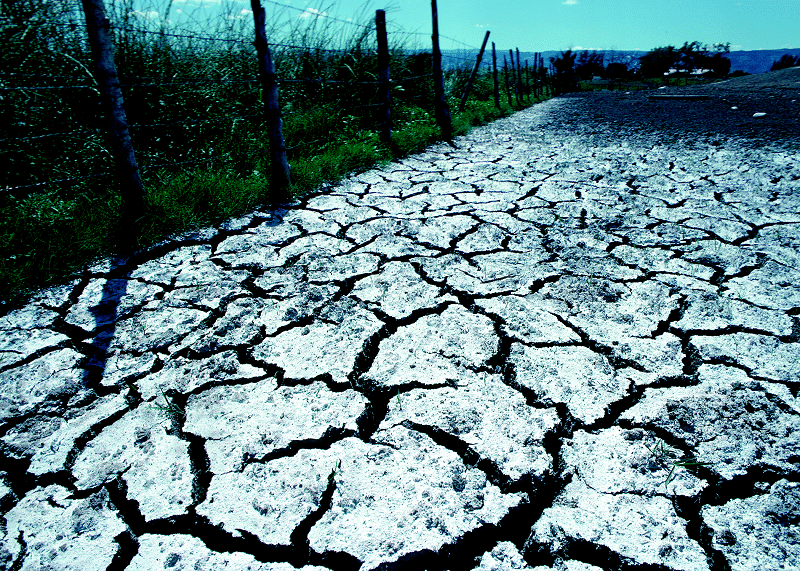
Indeed, Darrin Parmenter, the La Plata County director for the Colorado State University Extension Office, which advises and educates farmers and gardeners, believes Colorado is experiencing a “megadrought,” a dry spell lasting for at least two decades.
Other scientists believe megadrought isn’t the correct term. They believe Colorado is actually experiencing “aridification,” which is the gradual change of a region from a wetter to a drier climate, according to 5280.
However you want to label it, the fact remains that Colorado farmers are seeing their crops wither and die, while ranchers don’t have enough grass for their cattle to graze. This forces ranchers to sell off their cattle and causes farmers to close up shop earlier in the growing season.
The Importance of Soil Health During a Megadrought
One way farmers and ranchers can help offset the warmer and drier conditions is to make sure their land is “drought resilient.” This involves adopting practices like No-Till Farming, crop rotations, and rotating livestock among pastures to improve plant health. All of which increases soil organic matter and reduces soil-moisture loss.
However, adopting these practices often comes with significant upfront costs, creating a barrier to farmers and ranchers who are already experiencing financial hardship. The USDA’s Natural Resources Conservation Service (NRCS) provides funding to farmers and ranchers looking to implement soil health practices. But these programs are highly competitive and don’t fully meet the needs of farmers and ranchers.
This is where HB21-1181 comes in. HB21-1181 is an entirely voluntary program (the bill explicitly prohibits implementing any mandatory or involuntary programs) and is the result of collaborating with ranchers, farmers, scientists, and conservation districts.
The bill creates the Colorado Soil Health Program within the Department of Agriculture and encourages widespread adoption of soil health practices by establishing a grant program that’ll help farmers and ranchers with the cost of implementing soil health practices.
HB21-1181 establishes a soil health advisory committee that’ll continue to look for more ways to help farmers and ranchers by developing incentive-based, and voluntary programs, that lead to greater adoption of soil health practices.
It will also foster awareness of the benefits (both economic and environmental) of soil health practices by supporting research projects and establishing a system that’ll monitor the economic and ecological benefits of soil health practices.
A Win for All
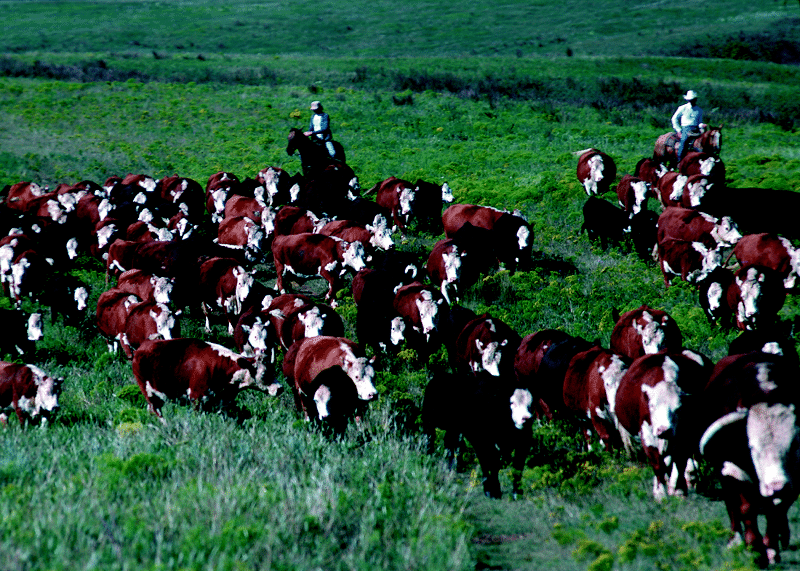
Colorado’s top five agricultural products are cattle and calves, dairy products, corn, greenhouse and nursery products, and hogs, according to Netstate Colorado. Over 60 percent of Colorado’s agricultural revenue is the result of cattle and calves, and Colorado is a top-10 livestock producer.
Unfortunately, warmer, and drier conditions are hurting Colorado farmers and ranchers by degrading the soil. For ranchers, this results in selling and reducing the size of their herds, while farmers are shortening their growing seasons. Moreover, the hardships experienced by farmers and ranchers have a trickle-down effect because produce becomes more expensive for consumers.
Luckily, HB21-1181 helps farmers and ranchers implement soil health practices, which should help their land become “drought-resilient.” This helps environmental sustainability and increases agricultural profitability by increasing yields and encouraging resiliency to extreme weather events. As such, HB21-1181 is a win for everyone.







[…] I previously wrote, Colorado is experiencing a warming trend that’s been devastating for farmers and ranchers. All Coloradoans are experienced summers […]