



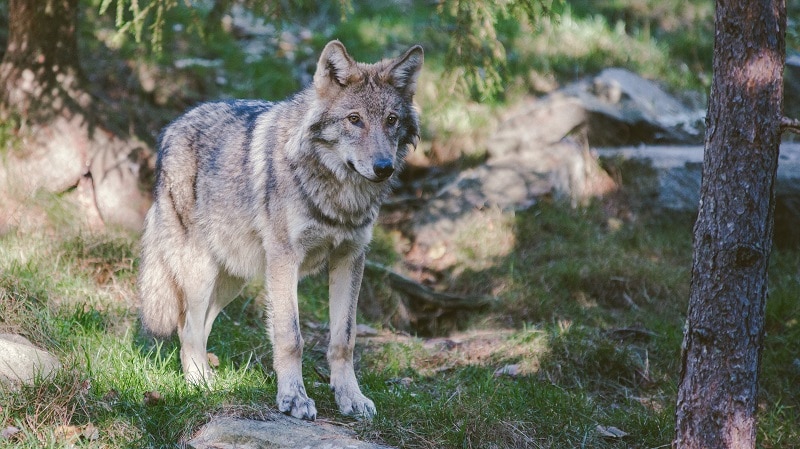
People For and Against Proposition 114 Argue Over Impacts
The narrow passage of Proposition 114 on Nov. 3 will allow the reintroduction of wolves in Colorado. The ballot measure passed with 50.91% of voters saying “yes” and 49.09% voting “no.” Therefore, the measure was only given the green light by around 60,000 votes and most people voting “yes” live in urban areas, while those who live in the rural districts where the wolves would be introduced voted “no.”
Before the election, groups on both sides voiced their arguments. Proponents for the proposition used Yellowstone Park in Wyoming as an example of how the reintroduction of wolves can help balance the ecosystem. Those against the measure were mainly ranchers and hunters saying that wolves would threaten livestock and threaten the deer and elk population in the state.
Wolves are native to Colorado and they once inhabited all parts of the state calling a wide range of types of habitats their home. However, during the last half of the nineteenth century, the population of prey such as bison, elk, and deer started depleting when humans started populating the area and hunting a majority of the wolves’ prey.
Opportunistic Predators
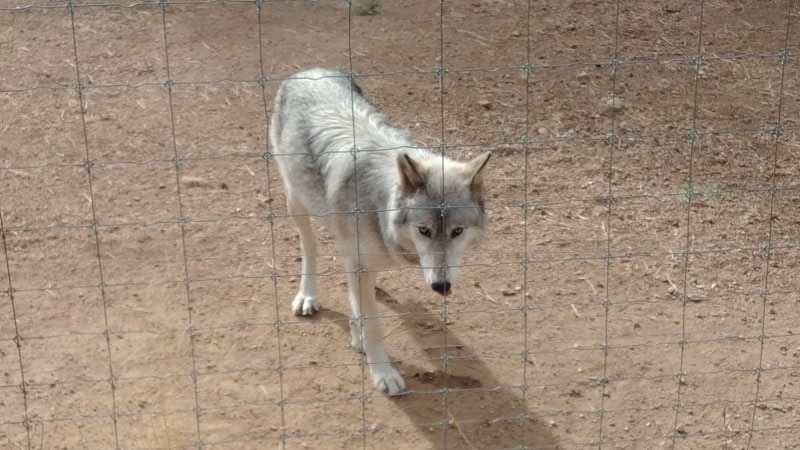
In the 1900s, the elk population in the state dropped to around 1,000; today there is an estimated quarter million elk that are in the state today. During that same time period, the number of domestic livestock increased, giving wolves (who are considered “opportunistic predators”) another food source that was easier for them to obtain than the depleting numbers of wild prey.
When their natural prey decreased and the wolves started killing livestock, people retaliated by trapping, poisoning, and shooting wolves. By the mid-1940s, the entire population of wolves in the state had been eradicated by humans.
The wolf population in the entire country decreased to the point where the animal was placed on the national endangered species list. In the mid-1990s, wolves were reintroduced to the Yellowstone Park area in the northwestern part of Wyoming, which led to reintroduction in other states including Montana and Idaho.
Since then, there have been a small number of wolf sightings in Colorado and experts believe that they are migrating south from Wyoming. The most recent confirmed sighting occurred about a month ago in the northern part of Moffat County near Craig, where there was a pack of only six living.
Now that the proposition has passed, the Colorado Parks and Wildlife (CPW) Division is tasked with forming a commission to devise a plan to bring wolves back to areas west of the Continental Divide by the end of 2023. The commission will have to figure out funding for the program and determine the exact locations where the wolves will be released.
As part of the proposition, the commission must also reintroduce the wolves in a way that does not impose any restrictions on private lands, and they must come up with a means to compensate ranchers for any loss of livestock.
Supporters See it as a Good Move for Colorado’s Ecosystem
The most prominent proponents of the proposition were wolf organizations and animal shelters that work toward wildlife preservation. According to Lorianne Willingham with the Colorado Wolf and Wildlife Center in Divide, wolves are not a threat to humans and there are ways to keep them away from livestock without killing them.
Willingham said that wolves started to get a bad reputation in the 1300s when the black plague struck the population and thousands of people started dying from the disease. Due to limited space in the town sites, the dead would be stacked in piles outside of town. Wolves and other wildlife would then come feast on the bodies of people – some people started to think that wolves were killing people when they were not. After those times in history, fables including the “Three Little Pigs” and the “Boy Who Cried Wolf” continued to cast wolves as the big, bad villain.
However, Willingham said that because humans have been killing wolves in Colorado since the mid-1800s, they are naturally afraid of people. She said that there are ways to keep wolves away from your property such as “hazing,” which basically scares them away to the point to where they do not return.
According to Willingham, one example of hazing is to create loud noises by yelling or banging aluminum cans together, which can be used to scare away other canines like foxes and coyotes as well. She also said that putting up bright lights around a property can deter wolves and other canine predators from coming onto private property.
“Ideally the reintroduction of wolves is going to help a lot of things,” Willingham said. “Obviously the wolves will help control the deer and elk population, which will make for healthier herds. And then there shouldn’t really be many effects for people because they are so afraid of us. It is very, very unlikely that there is going to be any type of interaction between human and wolf. So we shouldn’t really notice anything except our ecosystem getting better.”
Ranchers and Hunters Remain Upset with the Voters’ Decision
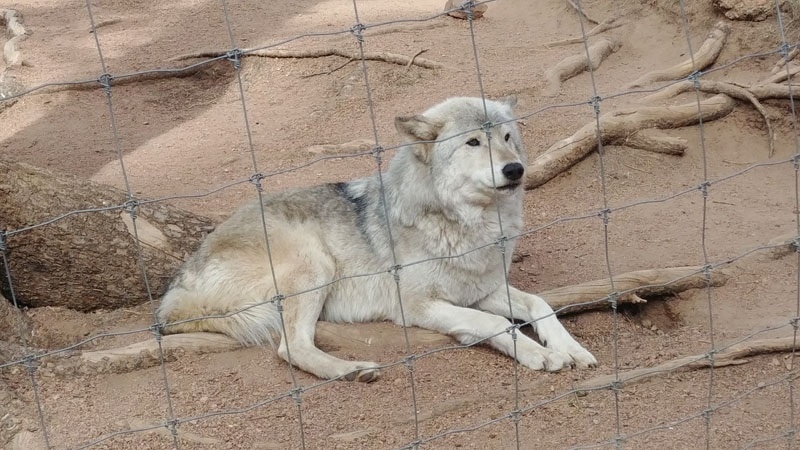
Ranchers and hunters are not happy with the decision to reintroduce wolves and think that it will be a bad thing for the state in the long run. Despite what the wolf experts say, many see wolves as vicious predators that will attack their livestock and make hunting much more difficult as the deer and elk population gets reduced. Some ranchers have said that killing the wolves will be the only way to protect their livestock.
The potential financial impact to ranchers is hard to estimate but the numbers show that it could be drastic. The price that a rancher can get for one raised calf is on average about $1,300, but some prize bulls can be worth as much as $3,500.
According to Bering Halloran, a hunting guide from Alaska who spends a lot of time in Colorado, a pack of six wolves could easily kill one cow a day but a larger pack of 20 or more could kill around 10 cattle in one attack. Meaning the financial loss to ranchers could range from a little over $1,000 to over $300,000 during a single incident. The passed proposition states that the cost to replace livestock if wolves kill them relies on taxpayer money which the CPW has not yet come up with a plan to fund.
State’s Endangered Species
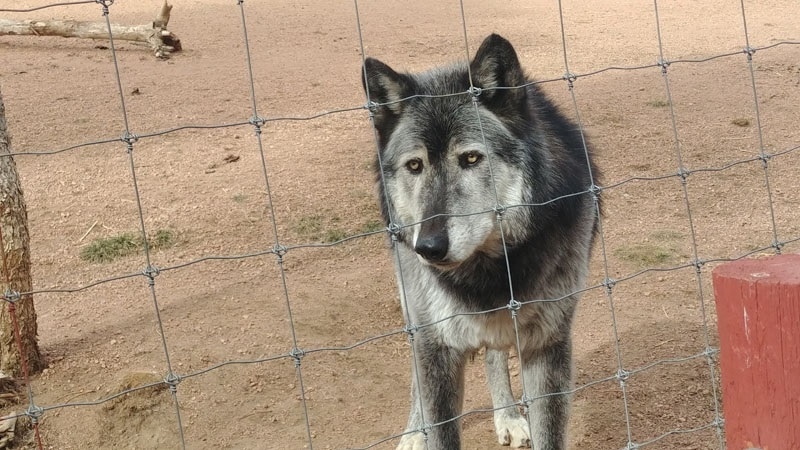
The other setback in the eyes of ranchers is that since wolves are listed on the state’s endangered species list under Colorado law, it is illegal to kill them if they threaten or kill livestock. If someone does kill a wolf, they face misdemeanor criminal charges that could force them to pay a fine ranging from a $2,000 to $100,000 and spend up to a year behind bars. The only way anyone in the state can legally kill a wolf is if a person’s life is in danger.
Halloran also thinks that it was a bad idea to bring wolves back into the state. “The fact of the matter is that wolves kill for fun,” Halloran said. “They will kill everything in their sight. In Alaska, a pack of six wolves will kill a moose a day. A wolf can eat 25 pounds in one sitting and then do it again the next day.”
Halloran also said that wolves have drastically depleted the population of caribou in Alaska and fears that the same could happen to deer and elk populations in Colorado. The Colorado Livestock Association, the Colorado Cattleman’s Association (CCA) and the CPW have all spoken out against the proposition.
The CPW has rejected the idea of reintroducing wolves on four separate occasions. The most recent was when a committee formed by the organization passed a resolution in 2016 to oppose the reintroduction of wolves into the state.
Potential Impacts on Livestock Industry
The committee opposed wolf reintroduction because of the potential impacts to the state’s giant livestock industry and problems with wildlife management. Ranchers have also used CPW’s stance as an argument saying that reintroducing wolves is a matter for state wildlife experts to decide, not the voters.
The CCA spoke out against the proposition due to the financial impacts the COVID-19 pandemic has had statewide and the fact that the reintroduction of wolves will cost taxpayers unnecessary money to implement effectively. They also said that wolves could threaten Colorado’s beloved wildlife species such as moose herds and the endangered greater sage grouse.
The organization also spoke out against the proposition because it could put a damper on the livestock industry, which is a big part of the of the state’s economy as it brings in billions of dollars of annual revenue.
The CCA also argued that there were already packs of wolves surviving in Colorado and that nationwide the population of wolves has “recovered” prompting the government to make moves in starting the process to remove them from the federal endangered species list last October.
“Proposition 114 is a reckless and expensive assault on Colorado’s economy, wildlife and livestock production, and not to mention an already growing wolf population,” CCA President Janie VanWinkle said before the election results were finalized. “Colorado Parks and Wildlife has an efficient, U.S. Fish and Wildlife Service-recognized management plan in place, which is actively protecting wolves within the state. For the sake of Colorado’s treasured wildlife, and fragile economy, Coloradans need to vote no on Proposition 114.”
After the election, the CCA issued a press release citing the passage of Proposition 114 as a “forced wolf introduction unfortunately passed by voters.”
“While very disheartened with the passage of Proposition 114 and also fearful of what implications forced wolf introduction will have on Colorado, CCA remains committed to ensuring real science, and actual Coloradans, make decisions associated with our state’s wildlife,” VanWinkle said in the press release. “While voters spoke by passing Proposition 114, we still believe that Coloradans want responsible wildlife management, not unbridled wolf introduction, at all costs. CCA will recommit to this as efforts begin to unfold to implement Proposition 114.”
For about 20 years of his life, Trevor Phipps has worked in the restaurant industry as a chef, bartender, and manager until he decided to make a career change. For the last five years, Trevor has been a freelance journalist reporting the news in the Southern Colorado region. He specializes on crime, sports, and investigating history reporting. Trevor is currently a reporter for a weekly newspaper in Teller County called The Mountain Jackpot and is the Managing Editor for Pikes Peak Senior News, which is a bimonthly senior citizen lifestyle magazine. When Trevor is not writing and reporting on the news, he is spending as much time outside hiking, camping, and fishing. He also likes to keep up his cooking skills and spends time mastering his barbecuing and other culinary skills. Trevor has recently taken up an interest in 3D printing as a hobby.







[…] citizens where hunting and ranching are major parts of their livelihood. For instance, after the ballot initiative to reintroduce wolves to the state was passed, many members of rural communities spoke out against it saying that wolves could put more livestock […]
[…] up political discussions in the state; discussions that started with Proposition 114. This policy, passed in 2020 by a razor-thin less than 1% majority, will kick off in 2023. A group of several state agencies and task forces will submit a final plan […]
[…] soon as Colorado voters passed a proposition to reintroduce wolves into the state, ranchers all over spoke out against the decision. Since wolves are known to be apex predators, […]