
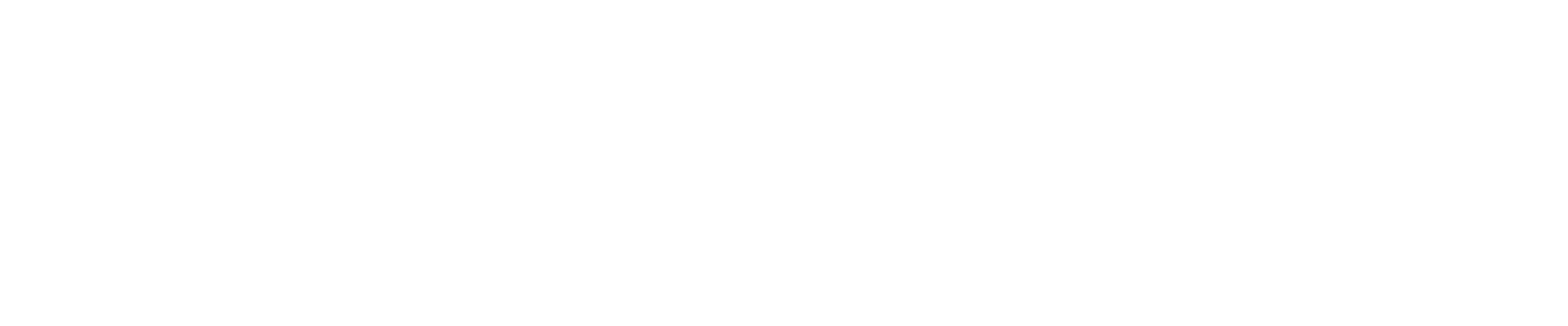


Teachers participate in professional development, conferences, classes and trainings throughout the year in order to maintain best practice in their classrooms. While schools must teach the state standards, administration and teaching staff work to ensure that the standards are taught in ways that meet the learning needs of their students, which leads to comprehension of the content. In El Paso County, schools are aiming to keep students engaged, make meaningful lessons and experiences, and develop a sense of community.
Director of Curriculum and Instruction at Pikes Peak School of Expeditionary Learning, Sandra Pilcher explains, “Learning experiences that are meaningful for students stay with them way beyond the classroom. When a lesson is really meaningful to a student, they connect to it on different levels. They aren’t just learning content; they are learning about themselves as a learner and their place in their school or community.”
What is Student Engagement?
When a student is staring out the window daydreaming of weekend activities, they are not engaged in what is going on in the classroom. Even when a student is looking at the teacher, they may not be engaged. Student engagement is best seen through student participation in the lesson, where their voice is heard and their thinking is used to guide instruction.
“I think of student engagement as a student’s awareness of and involvement in both the learning in the classroom and the school community,” Pilcher says. “To me, student engagement is so much more than a student simply paying attention in class. An engaged learner is involved in their own learning – they are thinking about their thinking, they have a need to know more about the topic and they see themselves as a learner that is capable of creating change in the world.”
Meaningful Lessons and Experiences
Pilcher explains that a meaningful lesson is one that fits into a bigger picture for a student. They can take the learning from a single meaningful lesson and incorporate it into a bigger thinking process. Information from meaningful lessons combines to build a deeper understanding of content and how this information fits into a greater concept in the world.
Pilcher helps the teachers at Pikes Peak School of Expeditionary Learning create meaningful lessons and experiences, with a focus on student engagement.
“Our school is built on the beliefs that students are agents of change and that we need to give them both thinking and character skills to go out into the world and make it a better place. We strive to create rigorous and meaningful learning experiences that help students to become deep thinkers and problem solvers. Our curriculum includes both character education and service-learning components that are contextualized to the local community whenever possible. Students get to see themselves becoming experts in content areas and then use this expertise to educate, empower and serve the communities that they are a part of.”

Community Involvement
Harrison School District 2 prioritizes Classroom, Culture, and Community. Their strategic plan states that they are committed to community by focusing on communicating, nurturing and sustaining partnerships, and facilitating community outreach and advocacy. The commitment and connection to the community around them is key for many districts in Colorado Springs.
According to the website for District 11, “A commitment to the whole student in all education endeavors ensures that D11 students are not only achieving academic excellence but are also becoming equipped to understand, lead and succeed in a diverse society.”
Pilcher explains that, as educators, one of our roles is to help students see themselves as a member of a community. She emphasizes that it starts with the idea of the classroom community and then growing into the school community, then the outside community. Students can become more aware of and connected to the communities they are in.
She describes, “The first thing it is important for students to realize is that they are important members of many different communities and can change makers. A simple way to start is by thinking about the different communities they are a part of – what is their role, are they putting good out into these communities, what needs are not being met in these communities, etc. Once they have that awareness, they become much more connected to the communities. They see themselves as part of something bigger than themselves and hopefully, start to realize that they play an important role in shaping and maintaining the conditions in these communities.”
What is Your Child’s Classroom Doing?
Communicate with your child’s teacher to ask about ways they are connecting student learning to the community. Most schools enjoy bringing in members of society to explain to students the role they play or how students can participate in the world around them.






[…] a thin line that separates beneficial fidgets from fidget toys. As teachers, we absolutely want to create a classroom environment that is inclusive and accessible to all. The fidget toys that are brought to class seem to take away from the accessibility of the learning […]