


In the classroom and cafeteria, there is always a range of food groups present. However, only some of these healthy foods will sufficiently fuel bodies and brains for the school day.
The CDC writes about eating healthier at school. Their findings state, “Healthy students are better learners. Research shows that eating habits and healthy behaviors are connected to academic achievement.”
Colorado was able to vote for or against free healthy school meals. As reported by Rocky Mountain PBS, On November 8, 2022, “Colorado voters favored The Healthy School Meals for All ballot measure.”
Sonia Gutierrez reported in her article for Rocky Mountain PBS, “Free school meals to students in public schools; provide grants for participating schools to purchase Colorado grown, raised or processed products; increase wages or provide stipends for employees who prepare and serve school meals; and create parent and student advisory committees to provide advice to ensure school meals are healthy and appealing to all students.”
Healthy Foods = Physical Health
Kids need fulfilling nutrition that won’t just give them a burst of energy for a short period of time only to feel hungry and sluggish later. They need food that will satisfy them for a length of time and help them be attentive and appropriately energetic.
Heavily processed, high-sugar foods can lead to health issues throughout development. Heart health is taught at all schools since it is a Colorado state standard, but learning it in the classroom only goes so far. Healthy habits must also be observed at home and among peers.
Mental and Emotional Health
Students take in a significant amount of information throughout the school day, and they are required to demonstrate their understanding of this information in several ways. Tests, projects, presentations, small group work, class discussions, and various written reports are some of the methods for formal and informal assessment given by teachers.
Since students need to be able to stay focused throughout the day and have the energy to participate and transition to different classes and subjects, they should fuel their brains as well as their bodies with proper nutrition.
Claire McCarthy of Harvard Health Publishing, affiliated with Harvard Medical School, wrote an article on crucial brain foods for children. She lists several nutrients that are important for healthy brain development and the foods that those nutrients can be found in.
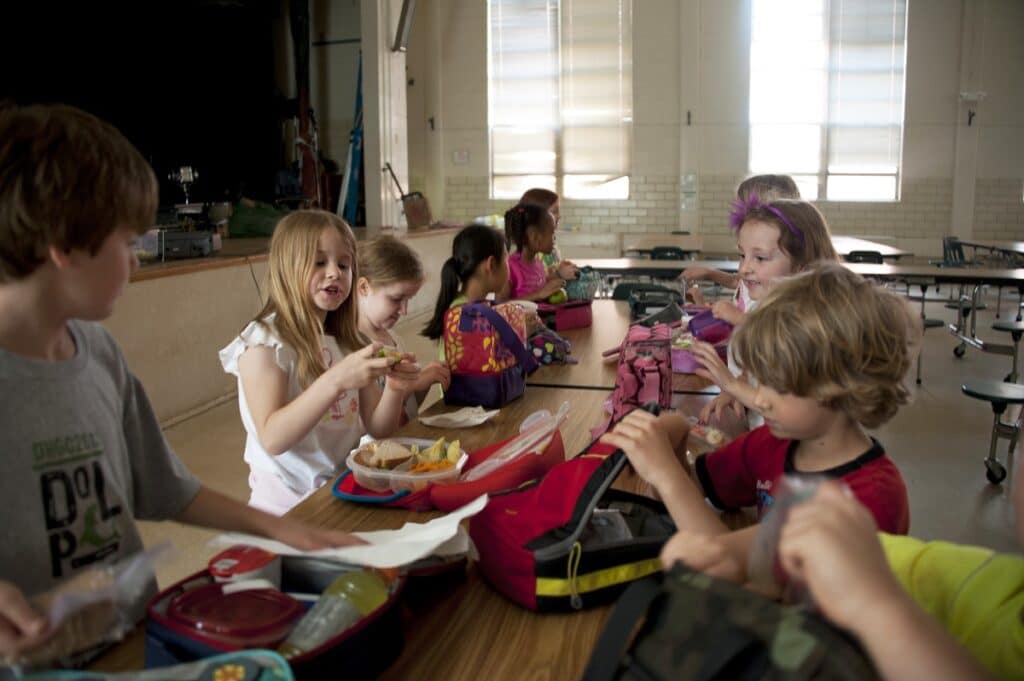
While sugar can benefit the brain in specific amounts, too much can lead to difficulty concentrating. Classrooms and cafeterias see an increase in candy after holidays such as Halloween and Easter. While balancing food choices is important, it’s also vital that moderation is taught to kids. Ask most teachers and they will tell you how sugar in the classroom is not a good conductor for a successful learning environment.
Instead, parents can help their kids understand that a few pieces of candy (depending on the size) are an appropriate choice for accompanying lunch, and a whole handful is not appropriate for a snack. Snacks should instead be brain food such as fruits, whole grains, or a source of protein rather than sweets.
Children’s Hospital Colorado worked with their clinical dietician, Cinda Nab, to identify the food habits that can increase stress as well as dietary choices that can calm bodies. Children’s Hospital recorded a statement from Nab, “High levels of stress increase the hormone cortisol, which can trigger cravings for salty, sweet, and high-fat foods.”
Together they listed five strategies to reduce stress including consuming fruits and vegetables, vitamins B, C, and D, calcium, omega-3 fatty acids, and complex carbohydrates.
Choosing the right foods for snacks and lunches can help students stay calm and satisfied, rather than risk the inability to focus due to overwhelming stress or hunger pains.

Responsibility
Teaching children about healthy choices and the value of nutrition can benefit them as they grow. However, going a step further and letting children have a say in preparing or packing their food as they learn to understand healthy choices can provide them with life skills that extend beyond the school years.
Caring for their brains and bodies can then lead to taking the steps to challenge themselves, take responsibility for their learning, explore extracurricular activities, and increased confidence.