



Extracurricular activities have benefits ranging from social skills to improved academic performance. However, some of these extracurriculars can be time consuming and some students may struggle to balance their homework and studying with the time they are in extracurriculars.
No matter the age of the student, they can find ways to balance and perform their best both in and out of school.
Organizational Skills
Organization develops differently depending on the child. It comes naturally for some, and others struggle in that area. Andrew M.I. Lee says, “People struggle with organization for different reasons. A common one is difficulty with a set of skills called executive function.” This set of skills provides us with the ability to manage daily life, from properly handling emotions and impulses to planning and organizational skills.
We can help support students by providing them with tools for organization. Planners, schedules, lists and designated spaces are all beneficial resources. With these, schoolwork will be organized, easy to find, and easy to track completed and uncompleted assignments. This helps the student to have a mindset that focuses on organization and teaches them how to implement organizational tools that work best for them.
Time Management and Extracurricular Activities
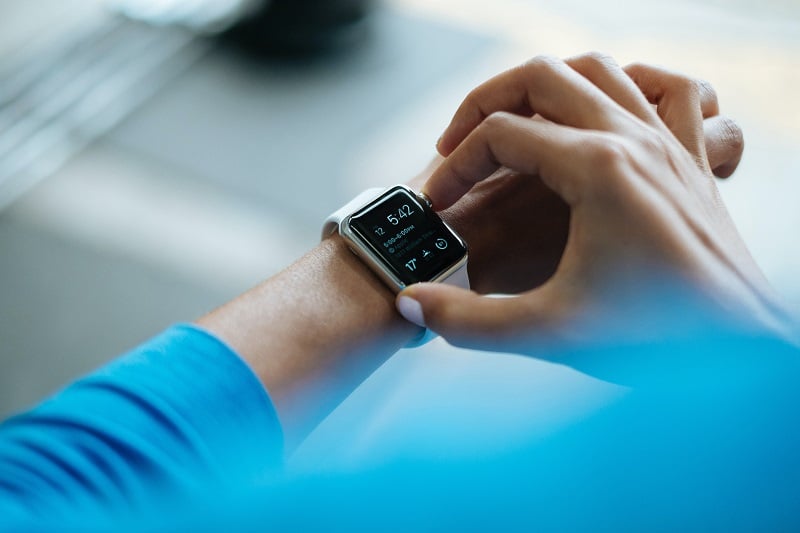
Branching from organization, time management is another life skill that students of all ages should be exposed to and supported in. With eight hours of school, and upward of an hour of extracurricular a day, helping students to manage their time before and after school will benefit them in school and in life. When schedules are unplanned and messy, stress levels rise, and balance is lost.
This is a skill that not only benefits school and extracurricular performance, but it is also a life skill that is valuable when applied in areas such as college and career.
Using planners or schedules not only help with keeping tasks organized but help provide a visual space to lay out time before school, time in school, and time after school. For some, they might even need to schedule out when meals occur and when to go to bed.
Emotional and Physical Health
Getting enough sleep is crucial for both academic and extracurricular activities. Rest can help boost mood, improve awareness, and keep the body healthy.
The National Heart, Lung, and Blood Institute links a good night of sleep with mental, emotional, and physical health. “Studies show that a good night’s sleep improves learning. Whether you’re learning math, how to play the piano, how to perfect your golf swing or how to drive a car, sleep helps enhance your learning and problem-solving skills. Sleep also helps you pay attention, make decisions and be creative.”
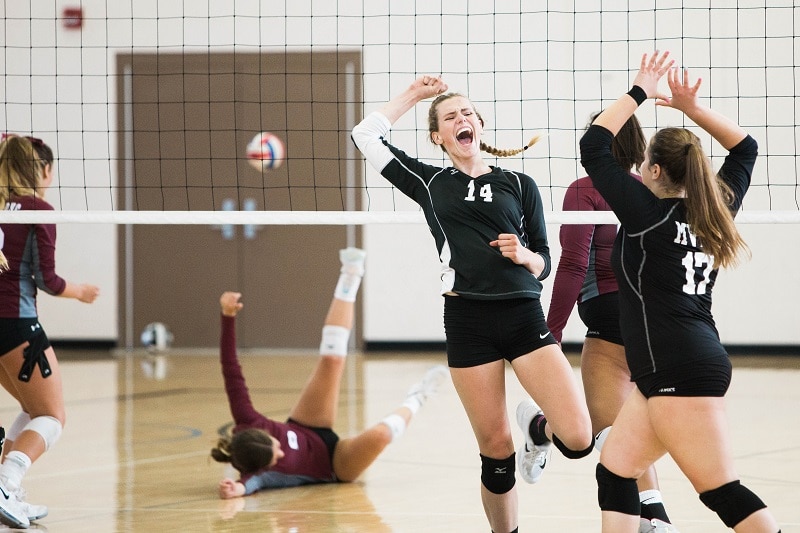
Not only does good sleep help make academics and school life a positive experience for students, but it also benefits their physical health for extracurriculars. “Sleep is involved in healing and repair of your heart and blood vessels,” according to the National Heart, Lung, and Blood Institute. Even for extracurriculars that are not sports, taking care of cardiovascular health is vital to any activity.
Being organized with the space around the student, in their home and room, as well as with their time management can help provide balance for their sleep schedule which will lead to better performance in and out of school. Helping children of any age understand the importance of getting a good night of sleep will help to lower stress levels and boost mood.
Open Communication
Not everything comes with ease, organization and time management being some of those things. Keep communication with your child open and empathetic, helping to create a space where they can express their needs and their struggles.
Communicate with their teachers, as well. They might have suggestions for organizing academic tasks or even options for tutoring. Teachers and parents work together to support the student, and when they join extracurriculars that communication extends to coaches and other mentors. This open communication leads to better balance of academics and extracurriculars.







[…] building block in the foundation of education and student accountability is balancing academics and extracurrricular […]