

Project-based learning entering our classrooms as a teaching method.
Educators use an array of teaching methodologies in classrooms. Many of us grew up with teacher-centered, direct instruction where the teacher was the center of the learning for most of the class time. Some are more familiar with student-centered, or student-led, instruction where the students’ thinking and voices guide the learning with some teacher support.
Student-centered learning allows for more creativity with how students receive the content, and it encourages participation, raises interest, and promotes a deep understanding of the content.
Project-based learning is one such student-centered method. “Project-Based Learning (PBL) is a teaching method in which students learn by actively engaging in real-world and personally meaningful projects,” according to PBL Works’ website. “Students work on a project over an extended period – from a week up to a semester – that engages them in solving a real-world problem or answering a complex question. They demonstrate their knowledge and skills by creating a public product or presentation for a real audience.”
Characteristics of Project-Based Learning
Legacy Peak Elementary, a school in Academy District 20, promotes project-based learning in the classroom. Like the description from PBL Works, Legacy Peak’s website states, “From small, hour-long projects that require just one person all the way to large-scale group projects that take semesters to achieve, students engage and learn critical thinking and problem-solving skills throughout each step of the project.”
For younger grades, there might be a bit more scaffolding than for older grades. However, this type of learning is structured so the teacher can demonstrate the learning process that students will actively participate in and apply it to the content they are focusing on.
Collaboration and creativity are key components of project-based learning. Students must collaborate with each other and sometimes even their community to creatively produce quality work. This work is authentic as it allows students to explore real-world examples and share their thinking with the community.
It is much deeper than a diorama of the solar system or a poster about the Civil War. Students are asked open-ended questions to guide their thinking and learning, so they might be able to look at how scientists study the solar system and apply that to problems that need solutions in the world today. They might analyze the politics of the Civil War and compare it to government structures today, determining what it means to fight for what you believe in.
Benefits
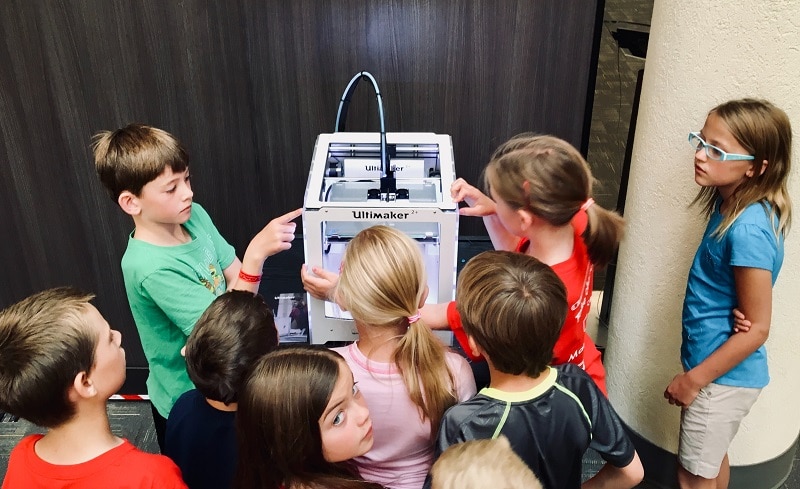
Since this approach encourages profound learning experiences, it can be tied to multiple content areas. Students can see project-based learning happening in science, math, social studies, and language arts. Sometimes, because of the depth of this methodology, content areas are integrated. This gives students a more realistic understanding of how reading and science are used together in the real world, or even math and writing. Not only does this help increase interest in the content due to the connections made, but it also boosts foundational skills such as reading and writing.
Another benefit of project-based learning is that students are taught accountability and responsibility for their learning. When they are tasked with applying to understand and developing a project that challenges themselves, students must learn to focus on what they need to be successful. From time management to researching information about a topic, they see a connection between effort and outcome.
Replicating it at Home
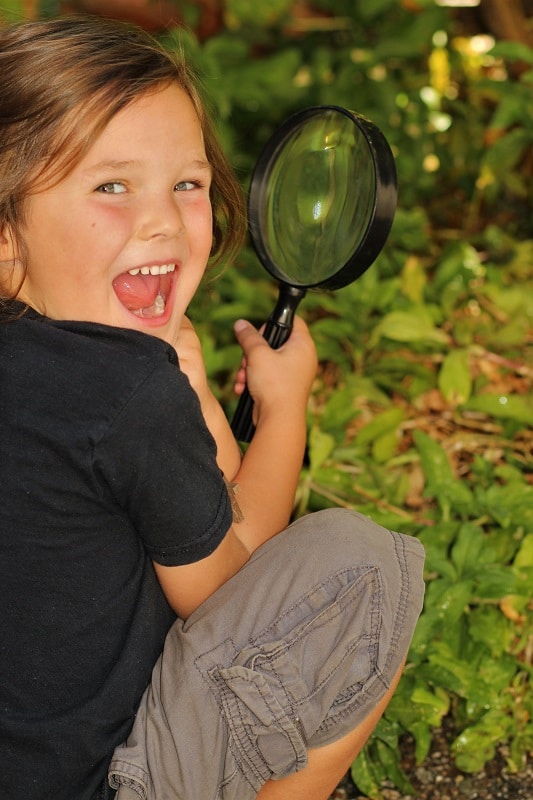
This type of learning doesn’t have to be limited to just the classroom. Parents can implement characteristics at home, especially during school breaks. Since parents aren’t expected to teach state standards like teachers are, there is more freedom in choosing content. They can have their child choose a subject that are interesting to them, such as bugs or poetry. Then, parents can help to find resources to benefit research at places such as a Pikes Peak Library location.
Children can then apply what they learn with their parents such as a solution to bug bites from certain bug species in Colorado. They can even write a biography of a poet they become interested in and share it with their neighborhood library, maybe even writing their own poem in the style of their chosen writer.