

Colorado Court of Appeals hears arguments over Ford Amphitheater’s noise compliance
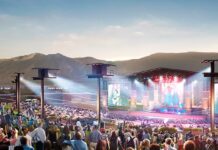
On August 27th, 2024, citizens packed the City Council meeting to voice their concerns about the new Ford Amphitheater in northern Colorado Springs. Their concerns were not with the venue itself but were centered around the noise levels that are negatively impacting the surrounding neighborhoods. Many of the complaints allege that noise and bass could be heard from the interior of their homes with windows and doors shut. Parents shared concerns over the profanity that could be clearly heard by themselves and their children. Despite their frustrations with the noise levels, many citizens expressed their support for the venue itself and were unified in their pleas to City Council to lower the noise levels or implement new sound mitigation strategies.
Following the City Council meeting, officials from the City of Colorado Springs and Venu met to discuss the feedback from the community and to come up with a plan to address the noise concerns, resulting in four major “action items.”
- No Fireworks: Several who addressed the city council Tuesday said the regular use of fireworks at the amphitheater’s early concerts exacerbated PTSD symptoms; others complained the explosions kept them awake. Venu committed to not using fireworks, with the possible exception of the 4th of July.
- Increasing the Eastern Sound Barrier: City officials said a new restaurant space on the eastern perimeter of the amphitheater will increase the thickness of a sound barrier on that side of the complex. Currently, a two-foot thick wall stands on the eastern perimeter at 28-50 feet high. Venu said an additional restaurant would increase the thickness to 50 feet or more, which should better insulate sound. The new restaurant would be in place for the 2025 season.
- Sound Containment Measures: Venu said it would be using sound data from concerts to explore further options for keeping sound within the venue, like adjusting the position of speakers at the site.
- Additional Physical Mitigation: Venu provided the least amount of detail in this last action item, saying the company would explore additional mitigation options “pending the results of sound containment research.”
“We ask for the community’s patience and grace as additional research is conducted and these actions are developed and applied,” the Wednesday press release stated.
The release of the joint statement gave concerned citizens hope that a compromise would come. JW Roth has since called upon supporters to “Stand with J.W.” and attend the September 10th City Council meeting to share their positive stories about the Ford Amphitheater. To the citizens who live in the surrounding areas of the venue that have been negatively impacted by the noise, this tactic by JW Roth could be perceived as ingenuine with his commitment to “be a good neighbor” and address their concerns. We can’t help but wonder how many of the supporters that will speak next week live in the sound corridor of the amphitheater. The issue at heart is not with the venue’s ambience, but how the sound level is impacting those who live nearby.
The Northside Neighbors Association’s original lawsuit claimed the amphitheater would make too much noise and that the city wasn’t legally allowed to grant permits for concerts that would exceed statewide noise ordinances. It was denied.
This week the Colorado Court of Appeals heard arguments from Springs’ attorney Edward Gleason from First and Fourteenth PLLC, representing the Northside Neighbors Association. They claimed the venue violates Colorado’s Noise Pollution Law and the City does not have authority under Colorado law to issue permits for the Ford Amphitheater. Gleason told the panel that residents claims “are ripe for review” because studies show the Ford Amphitheater’s noise will exceed the allowed limits.
The Northside Neighbors Association hired experts to monitor the noise pollution from the Ford Amphitheater and impact to surrounding neighborhoods. The study could not be wrapped into the Colorado Court of Appeals hearing because it wasn’t in the record. Following the hearing, the Northside Neighbors Association published this press release, along with the noise level study: