



Whether a teacher has a class of 35 students or 15 students, their goal is to help these students succeed. Parents have just one of those 35 students, and they also share the goal that their child will succeed. Parents and teachers share responsibility for future success of their students.
Students who have a steady support system both at home and at school tend to show improvements academically and socially. Jessica Silva, a teacher at Pikes Peak School of Expeditionary Learning where her two children also attend, explains that communication is key from both perspectives. She says, “Everyone is there to support the student. In order for the student to be successful in all areas, everyone needs to be on the same team so they can get support from all angles.”
Teachers Reaching Out to Parents
Teachers are frequently the first to open the line of communication with parents. Between classroom newsletters, progress reports, and check-in calls or emails, teachers are supposed to be communicating with parents throughout the school year. Teachers try to make the first call or email one with a positive context, but sometimes, the topic might switch over time to social or academic concerns.
Some schools require teacher communication for these concerns, but often teachers want to reach out to parents to make sure everyone is aware of the situation and to ask for help and support from the child’s home.
Even though most parents wait for the teacher to reach out first, nothing is stopping them from being the ones to begin the conversations. If a parent is concerned about how their child reacts to talking about the school day or the stress they see with homework at night, they should reach out to the teacher. This is the first step to supporting the student.
The Early Learning Network has stated, “Positive connections between parents and teachers have been shown to improve children’s academic achievement, social competencies, and emotional well-being. When parents and teachers work as partners, children do better in school and at home.”

Consistent Communication
Once the parent or teacher has started the conversation about supporting the student, the communication moving forward needs to be consistent. Silva states that if a parent or teacher is concerned, there should be frequent check-ins to better understand academic or social situations and how they are being supported both at home and school.
Communication of expectations also needs to be consistent. School and home expectations may differ, as values of education might be expressed in different ways. However, when a student hears drastically different messages at school and home regarding the quality of work completed, the time spent practicing a skill, or the importance of academics they will not be as successful as peers who receive consistent expectations at home and at school.
Homes should encourage education, as well as support the goals of the work done in the classroom. The Australian Council for Educational Research has explained, “Teachers and parents may have different ideas about what constitutes a ‘good’ education, about the ‘right’ way to teach and about the respective roles of teachers and parents. Find ways to acknowledge and talk through the differences, and, in the process, lay the foundations for enduring conversations between parents and teachers. This, in turn, helps the children, who are otherwise caught between the worlds of home and school.”
Collaborative Plan
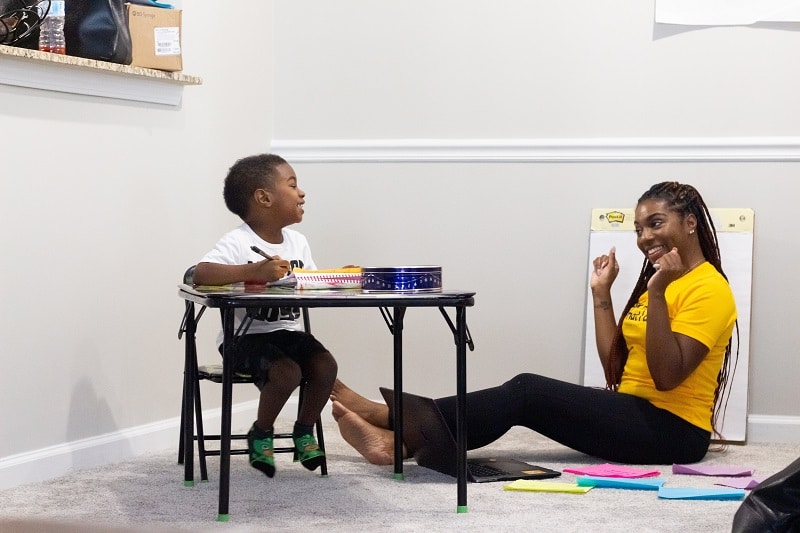
Silva describes the steps that can be taken to ensure all groups are aiming for student success. She says that together, parents and teachers can gather all the data, communicate expectations, develop attainable goals, and hold each other accountable. Whether the meetings to discuss these plans are virtual or in-person, they should be frequent so that nothing is left to interpretation. These plans can be to help the student increase academic performance, ensure that the student stays where they need to be academically compared to same-age peers, or challenge the student.
Eventually, students will reach an age where they can be involved in planning and communication. They will learn to have a voice for their education, and if they have had support from parents and teachers over time they will know that they are a part of the team that is striving for their success.







[…] Communicate with your child’s teacher to ask about ways they are connecting student learning to the community. Most schools enjoy bringing in members of society to explain to students the role they play or how students can participate in the world around them. […]